
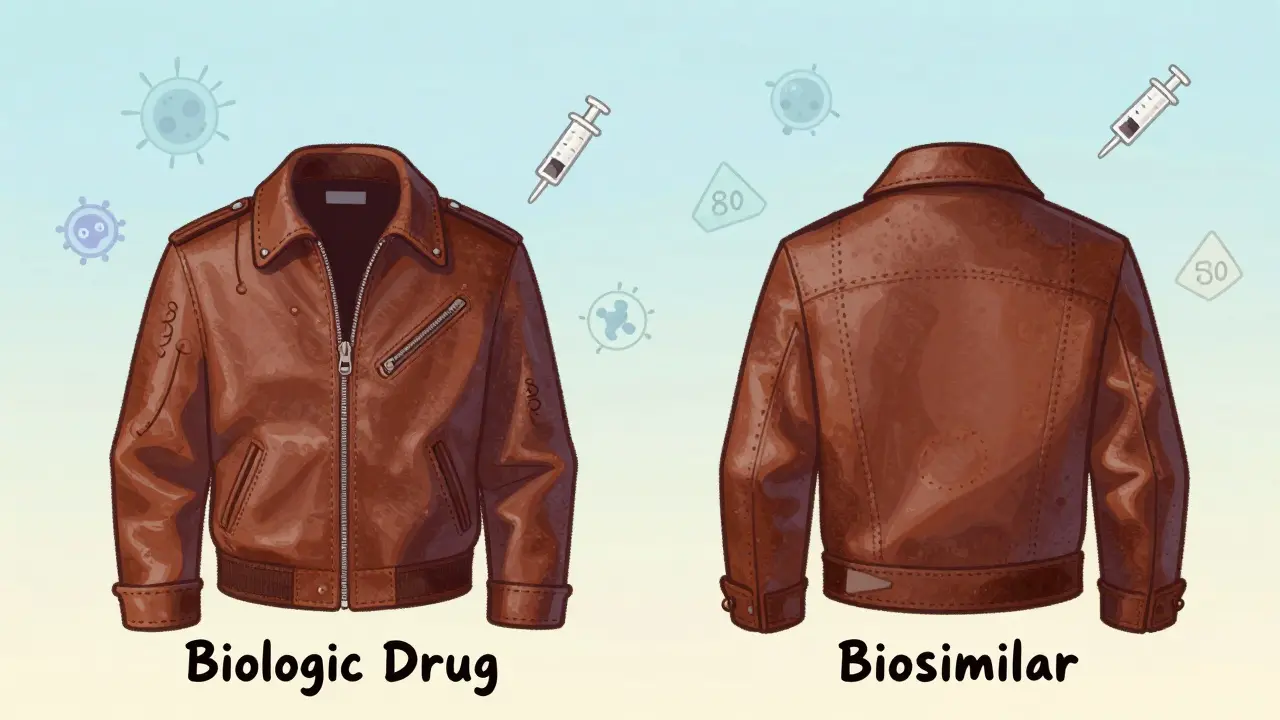
Biosimilars offer up to 30% savings on expensive biologic drugs like Humira and Remicade, with equal safety and effectiveness. Learn how they work, why they cost less, and how to access them.
Keep Reading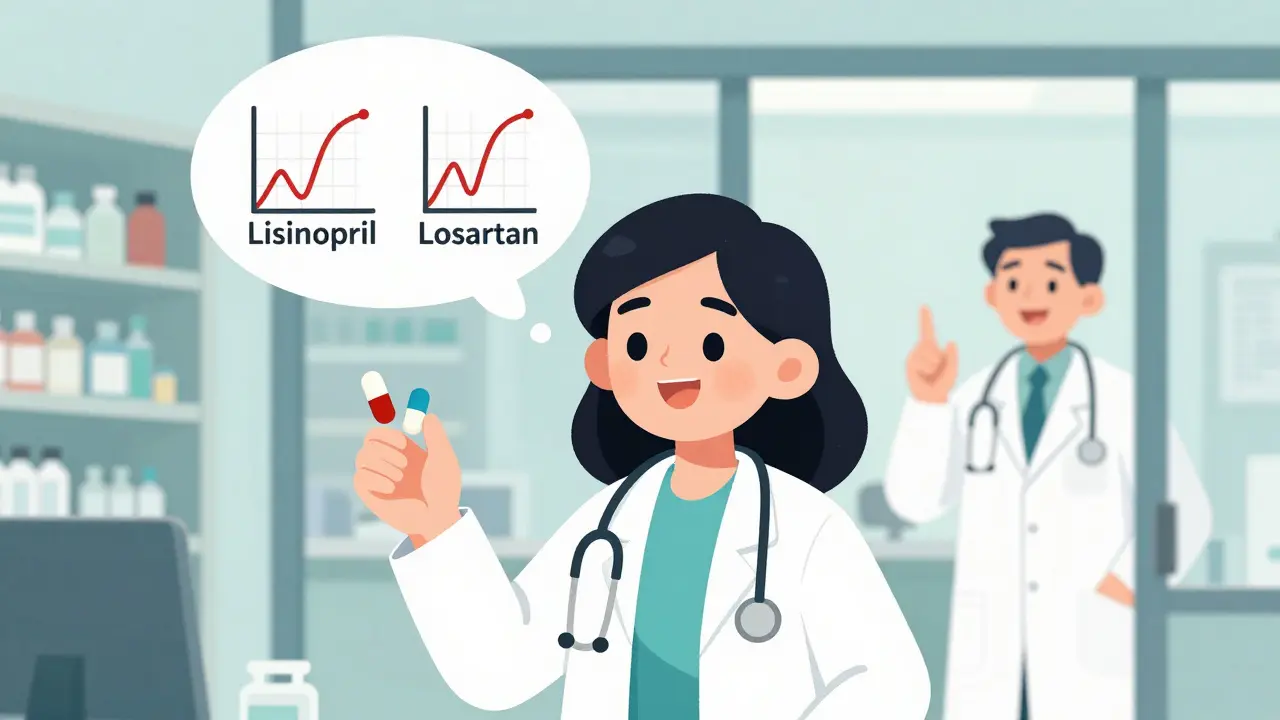
Therapeutic interchange is a cost-saving practice where pharmacists swap medications within the same class, not across classes. Learn how it works, who approves it, and why it's common in hospitals but rare at your local pharmacy.
Keep Reading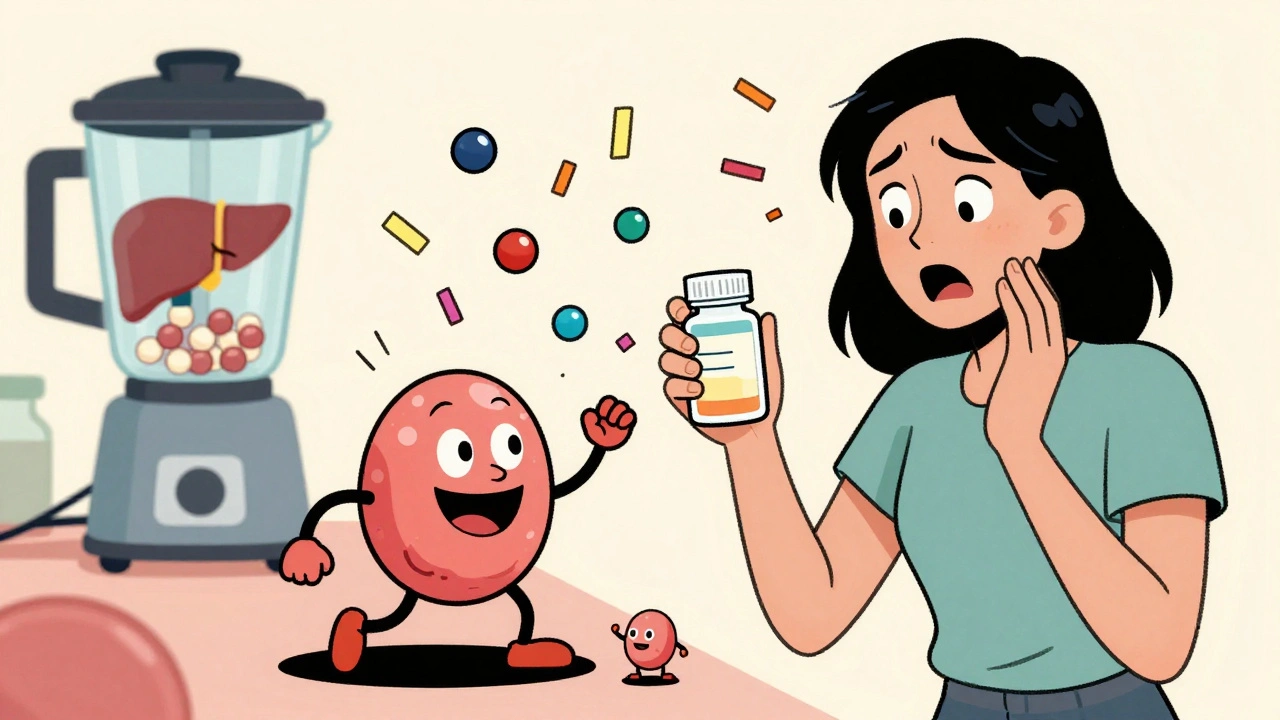
Rifampin can make birth control pills ineffective by speeding up hormone breakdown. Learn why only rifampin causes this risk, how long the danger lasts, and what backup methods actually work.
Keep Reading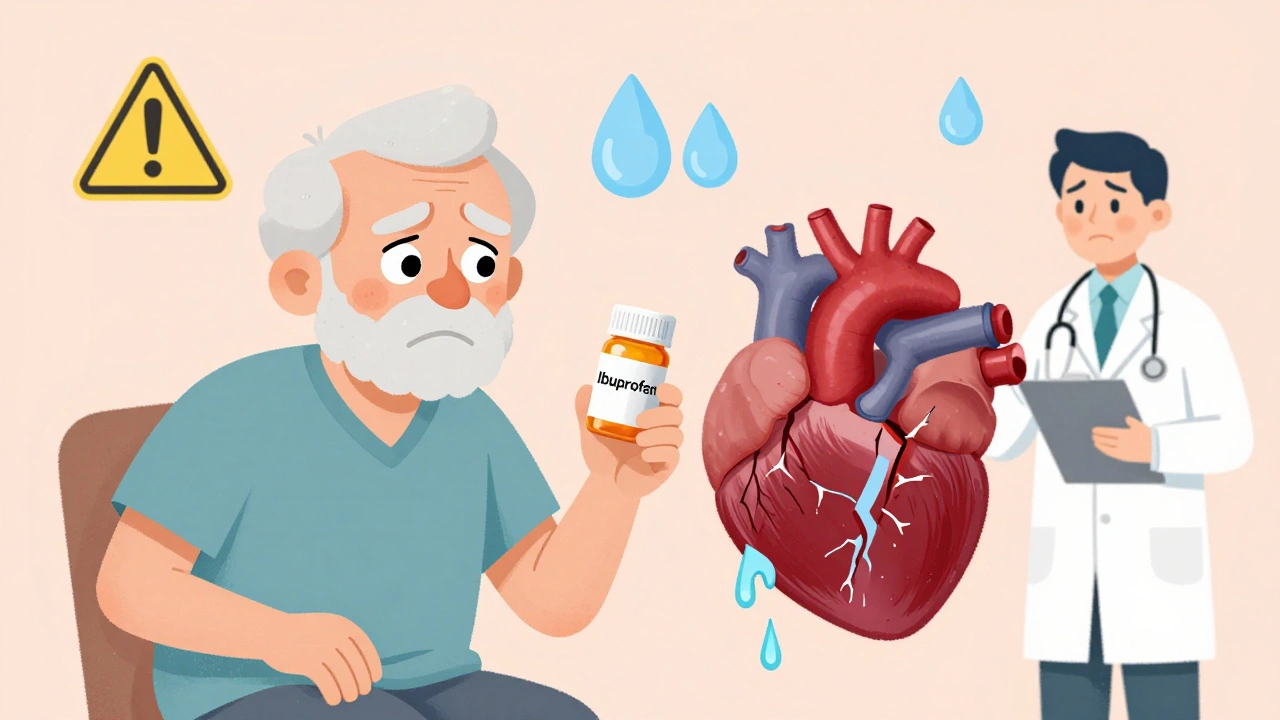
Drug-disease interactions can make medications dangerous even when taken correctly. Learn how conditions like kidney disease, heart failure, and diabetes can change how your drugs work - and what to do to stay safe.
Keep Reading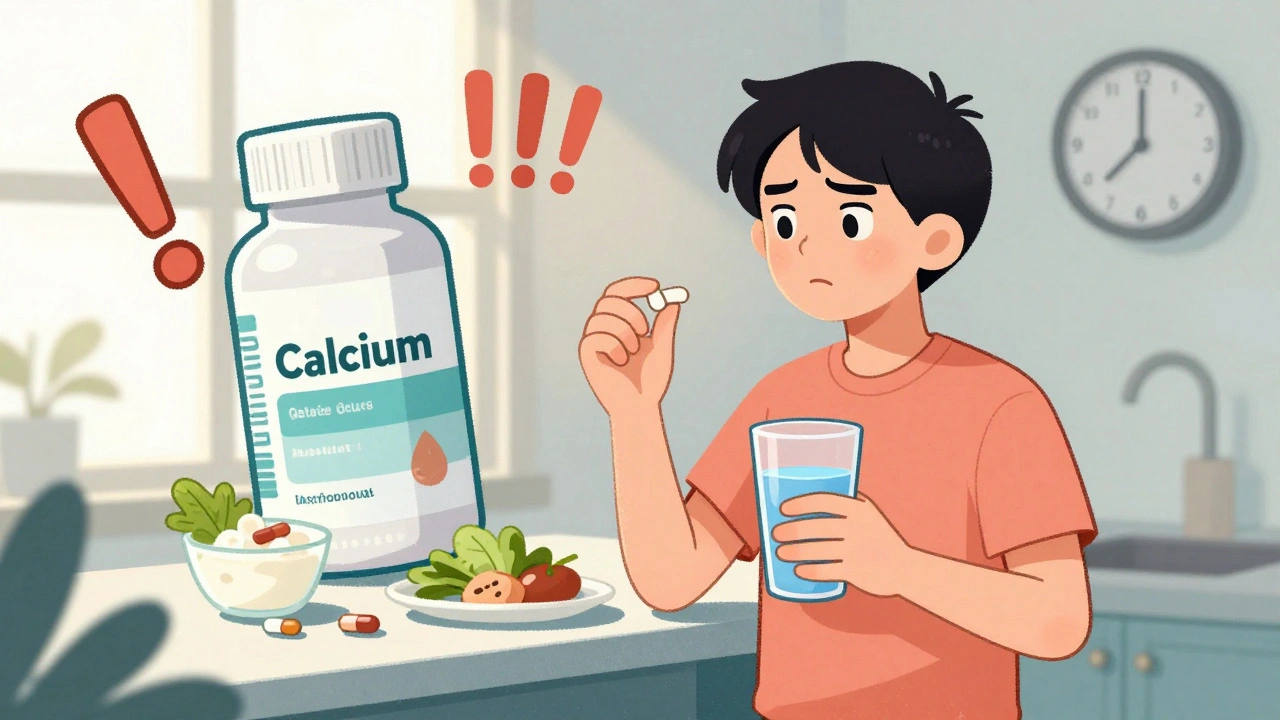
Bisphosphonates are key for osteoporosis, but they only work if taken correctly with calcium. Learn the exact timing rules, why mixing them fails, and how to avoid common mistakes that reduce effectiveness.
Keep Reading
Governments don't set prices for generic drugs - they create conditions for fierce competition that naturally drives prices down. Learn how the U.S. system keeps generics affordable without direct price controls.
Keep Reading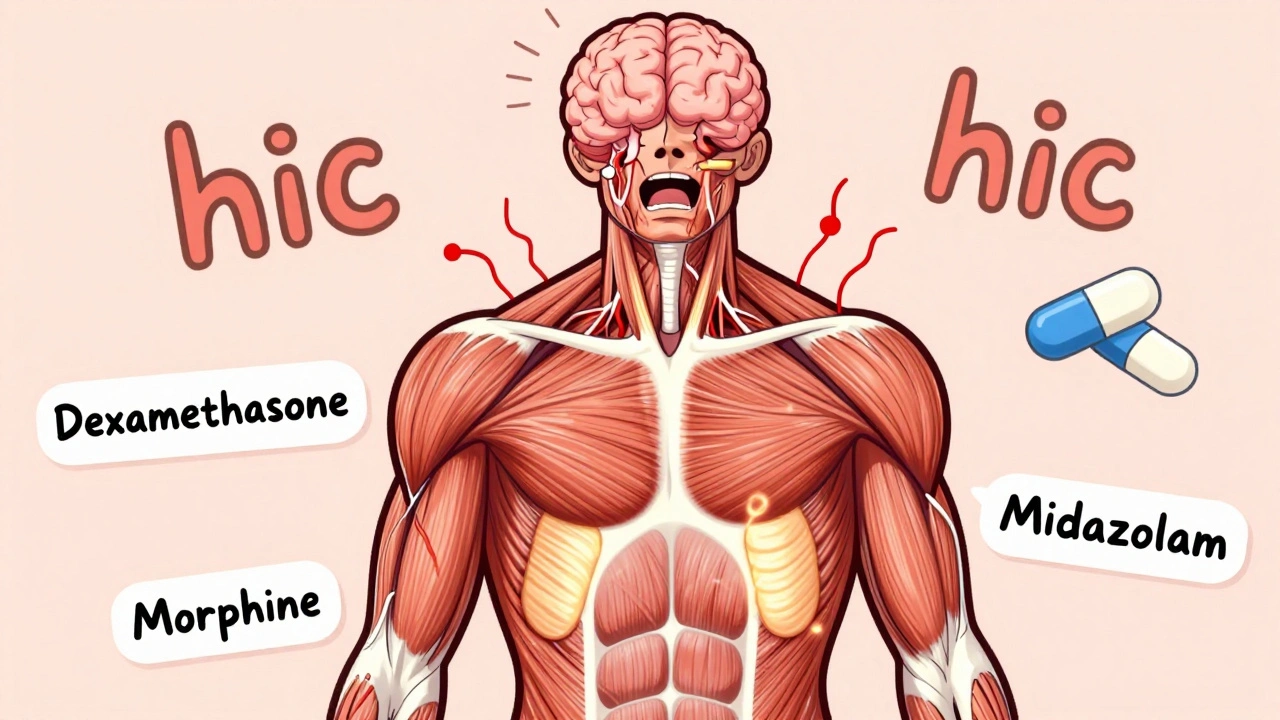
Medications like dexamethasone and opioids can trigger persistent hiccups. Learn the most common causes, proven remedies like sugar and baclofen, and how to prevent them before they start.
Keep Reading
High-risk medications like insulin, heparin, and chemotherapy require strict double-check procedures to prevent fatal errors. Learn which drugs need extra verification, how the process works, and why technology is changing the game.
Keep Reading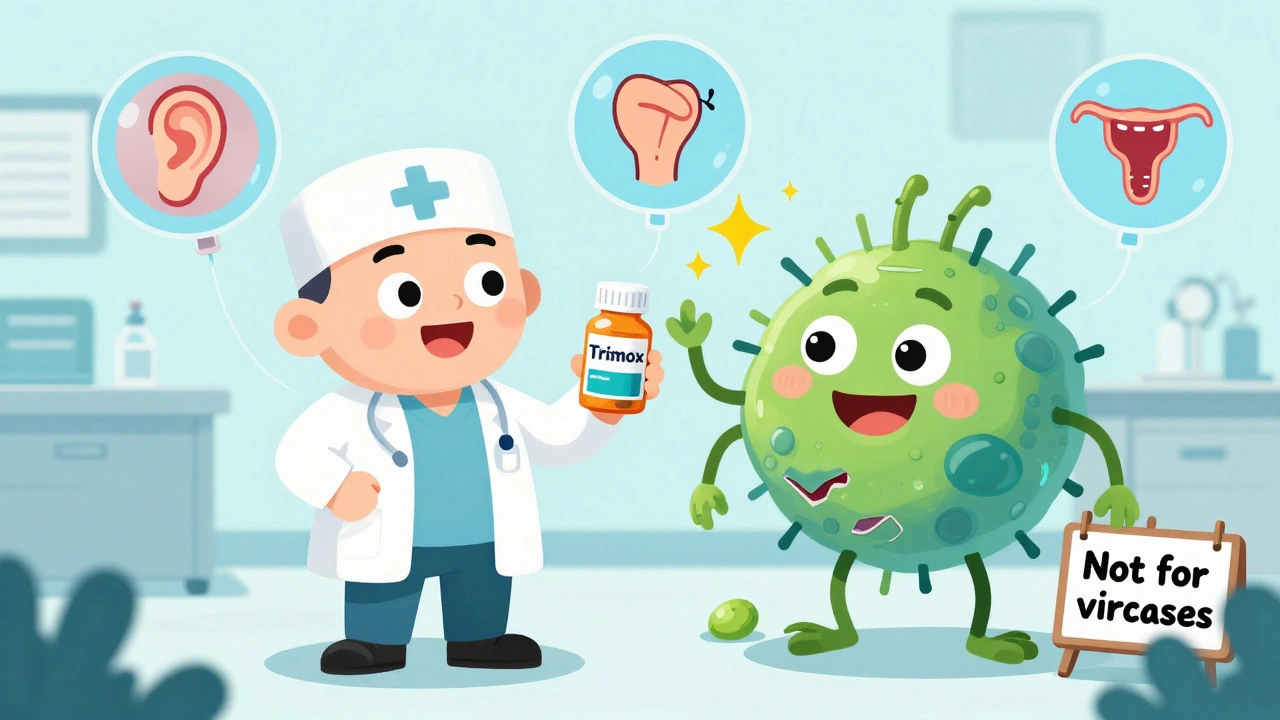
Trimox (amoxicillin) is a common antibiotic, but it's not always the right choice. Learn when alternatives like Augmentin, azithromycin, or cephalexin are better - and when to stick with amoxicillin.
Keep Reading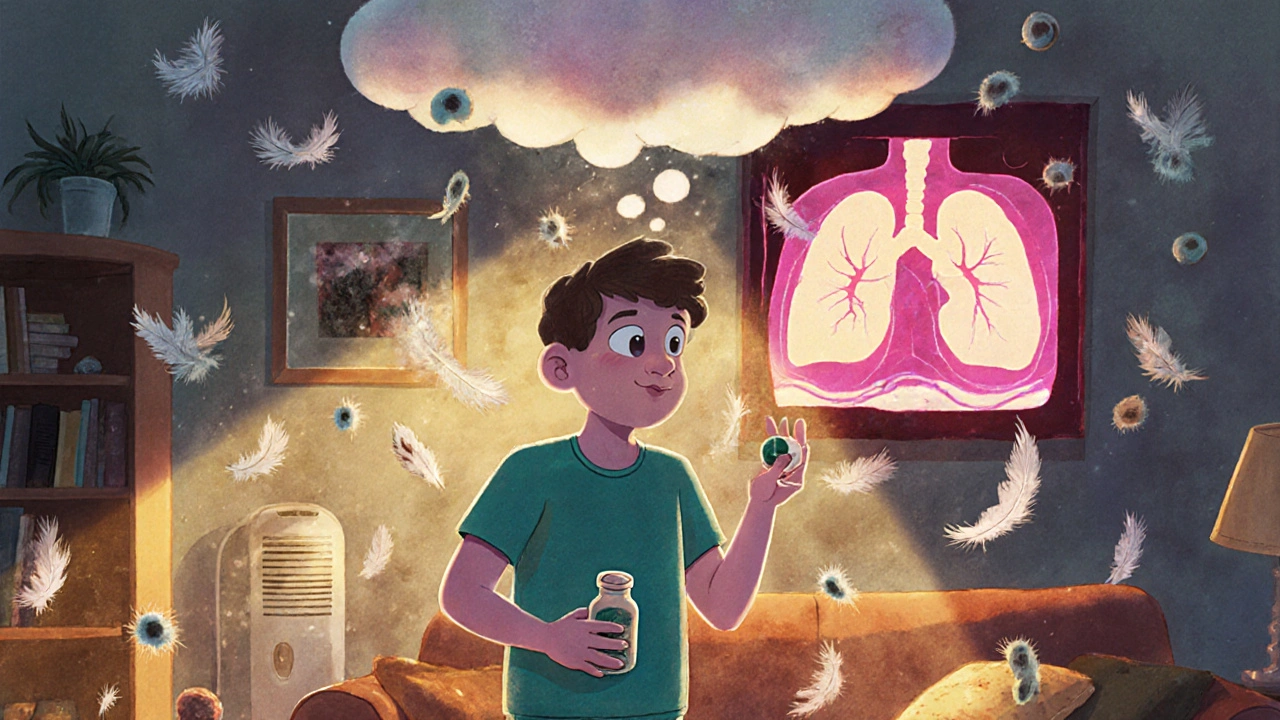
Hypersensitivity pneumonitis is caused by breathing in environmental triggers like mold or bird droppings - not medications. But some drugs can cause similar cough and breathlessness symptoms. Learn how to tell the difference and what to do next.
Keep Reading