
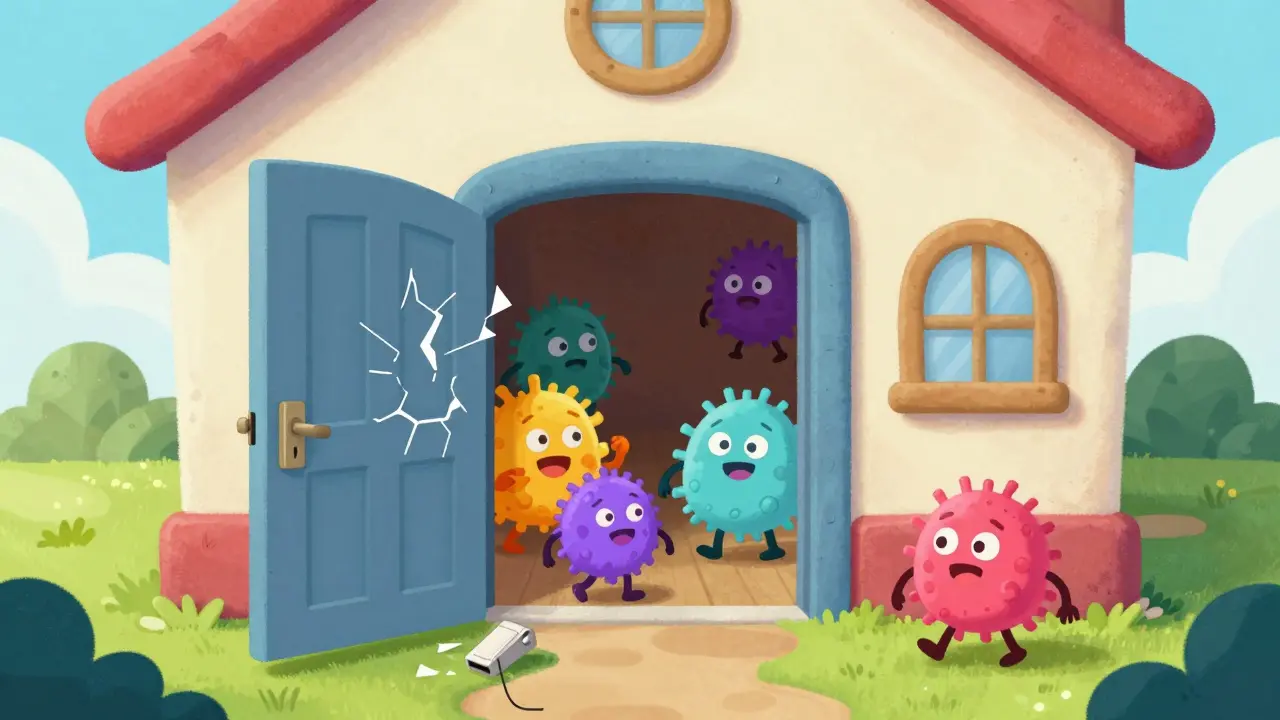
Explore the unique risks and unusual pathogens that affect immunosuppressed patients. Learn why these infections are silent and how doctors detect them.
Keep Reading
Compare the cost savings of biosimilars versus original biologic drugs. Learn why prices differ from generics and how to maximize savings in a complex market.
Keep Reading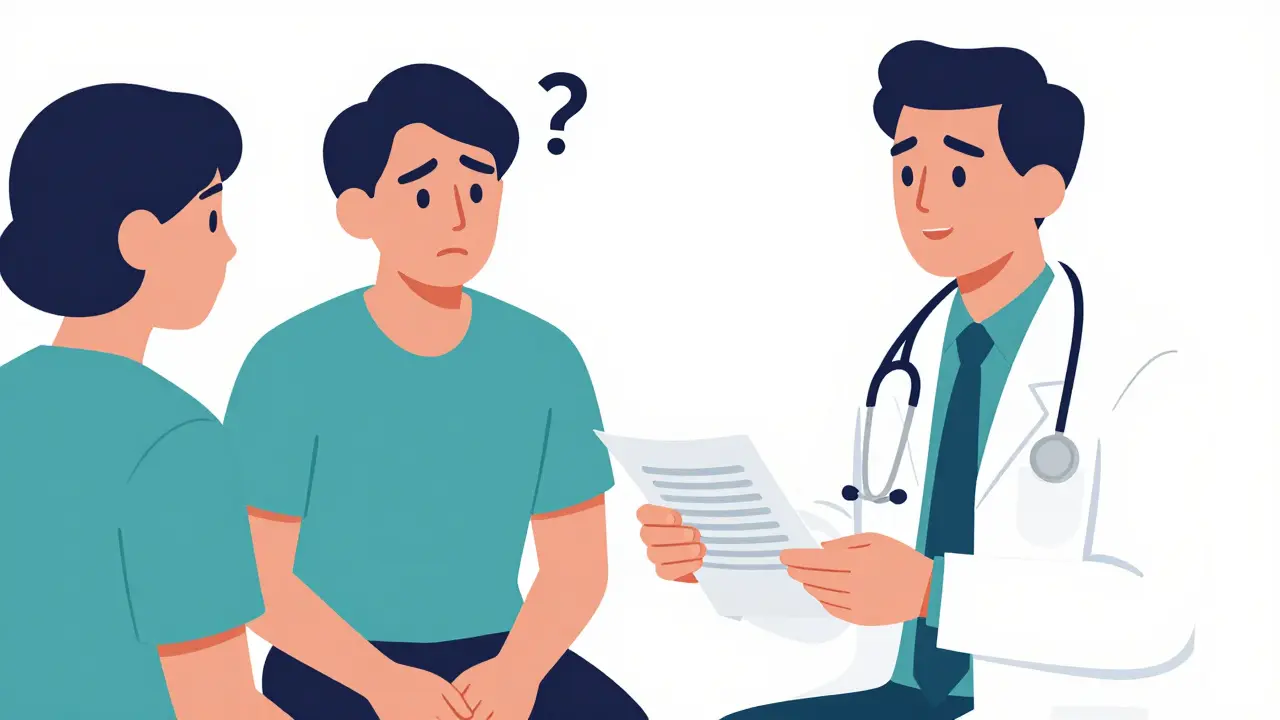
Learn how to measure education effectiveness in patient care using direct and indirect assessments, formative and summative tools to track genuine understanding.
Keep Reading
Learn how biomarkers are transforming clinical trial eligibility in cancer care, moving from broad categories to precision medicine and increasing drug success rates.
Keep Reading
Learn how Multiple Sclerosis affects the nervous system, the role of the immune system in demyelination, and the latest treatments to slow disease progression.
Keep Reading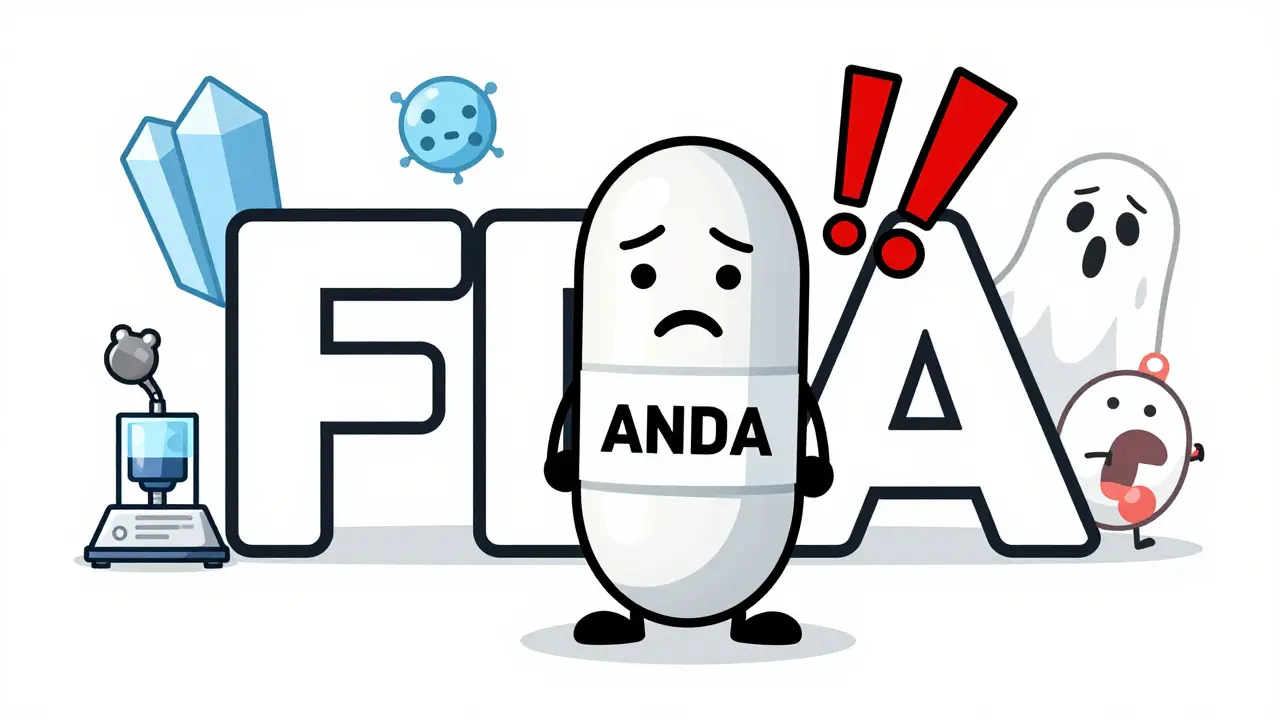
Common FDA deficiency letter findings in generic drug applications include dissolution method flaws, impurity control gaps, and inadequate drug substance characterization. Learn how to avoid these top issues and improve first-cycle approval rates.
Keep Reading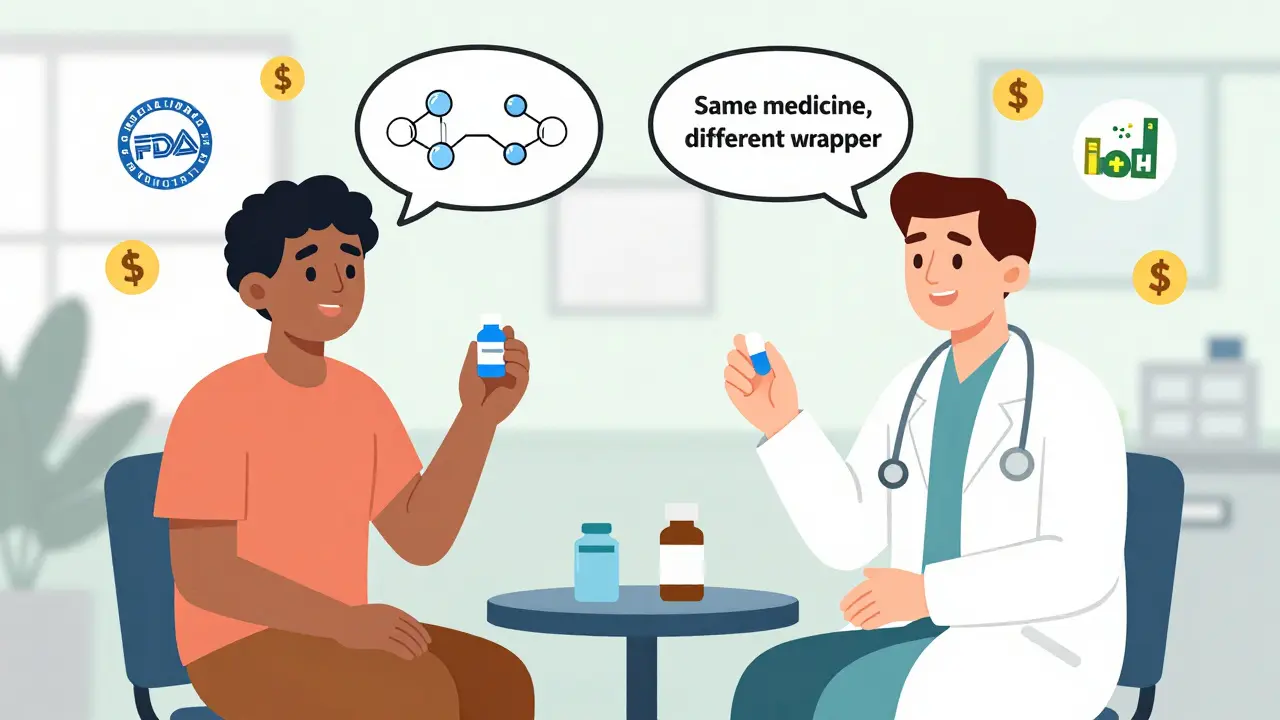
Learn how to effectively communicate with patients about generic medications to improve adherence, reduce costs, and build trust. Evidence-based strategies for providers to address common concerns and ensure better health outcomes.
Keep Reading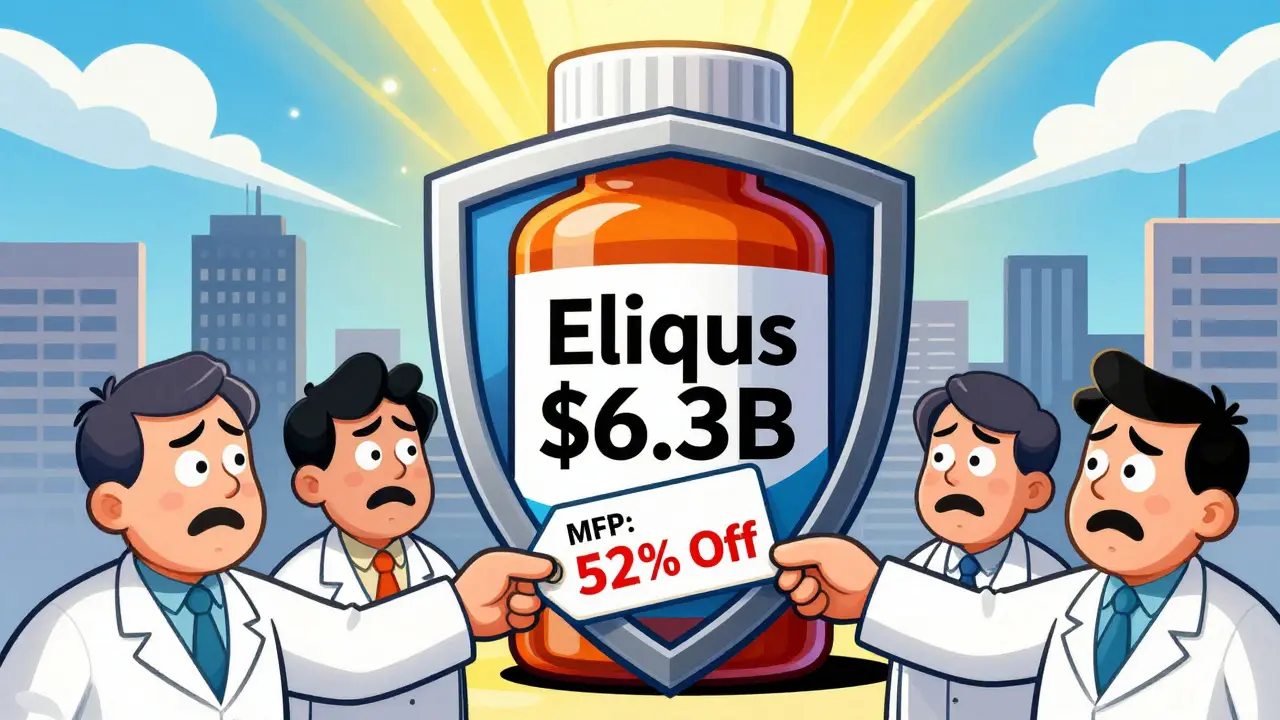
Medicare’s new drug price negotiation program is cutting costs for 10 top medications by up to 79%, starting in 2026. Learn how this affects Medicare beneficiaries, private insurers, and what’s coming next.
Keep Reading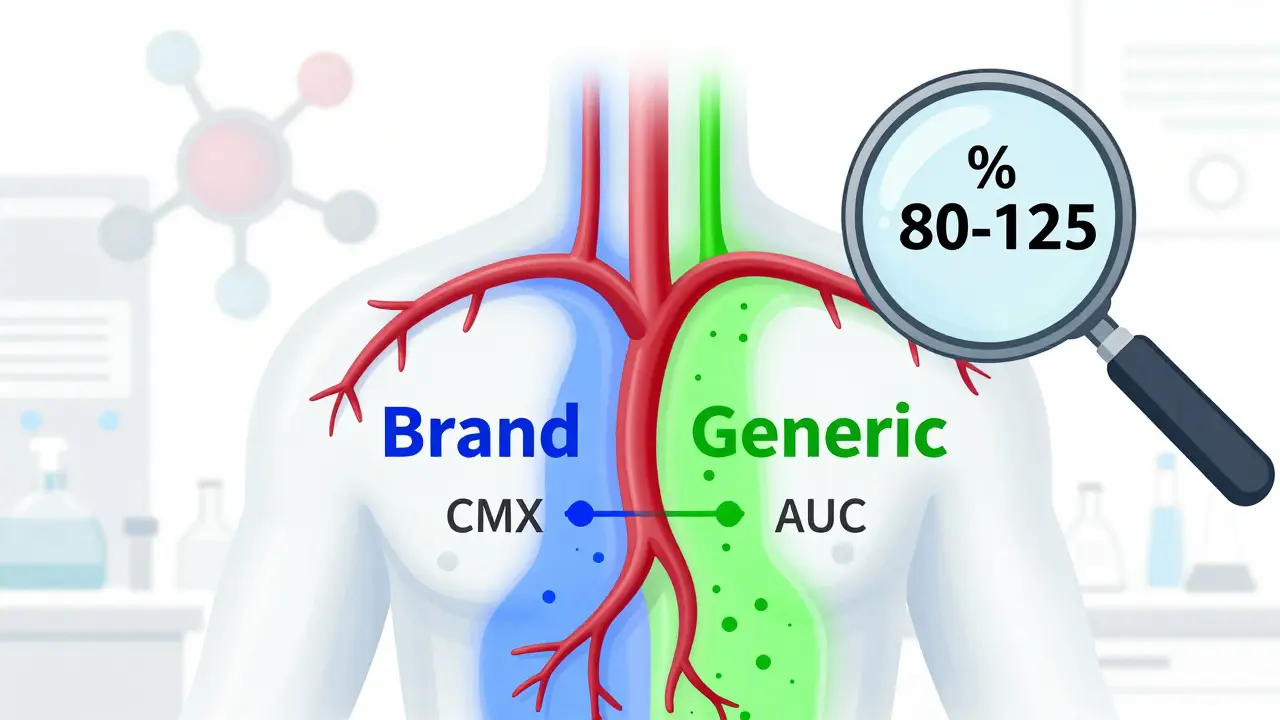
Pharmacokinetic studies are the primary method used to prove generic drugs are equivalent to brand-name versions, measuring how quickly and how much of the drug enters the bloodstream. But they’re not foolproof - especially for complex or topical drugs. Learn how these tests work, where they fall short, and what’s coming next.
Keep Reading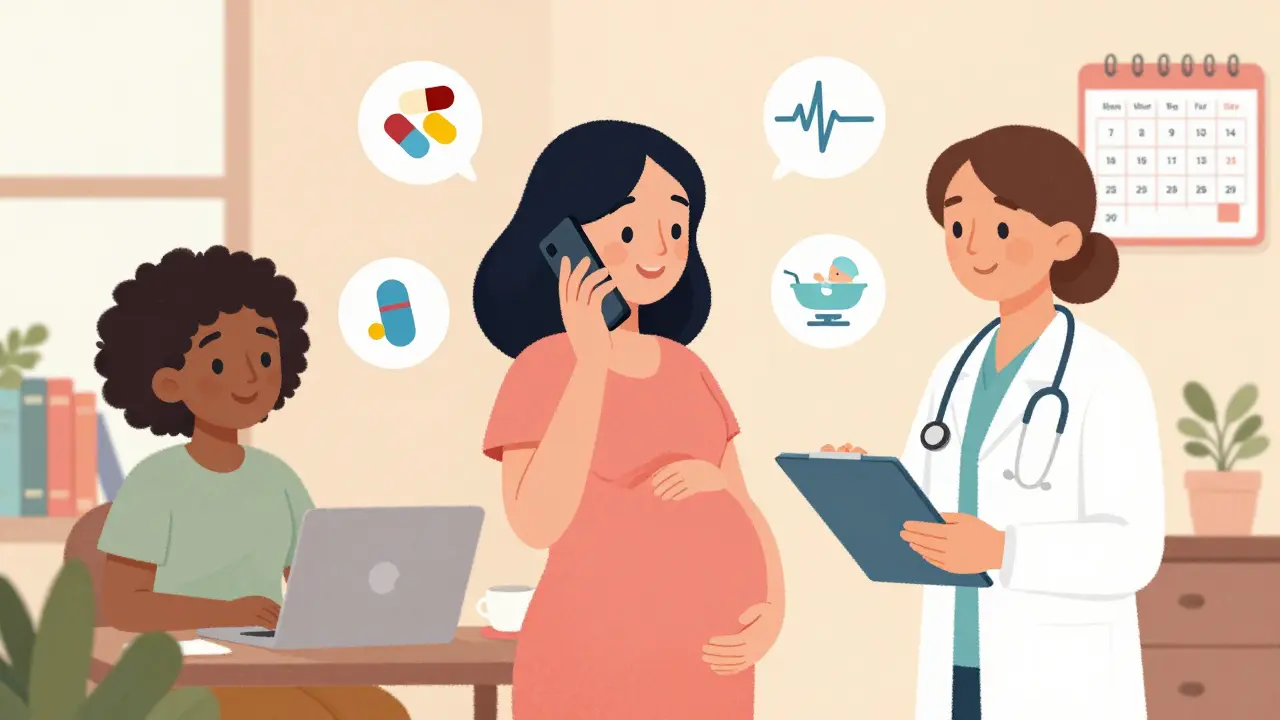
Pregnancy registries are collecting real-world data on medication safety during pregnancy, helping doctors and patients make informed choices. Here's what we're learning-and where the gaps still remain.
Keep Reading