
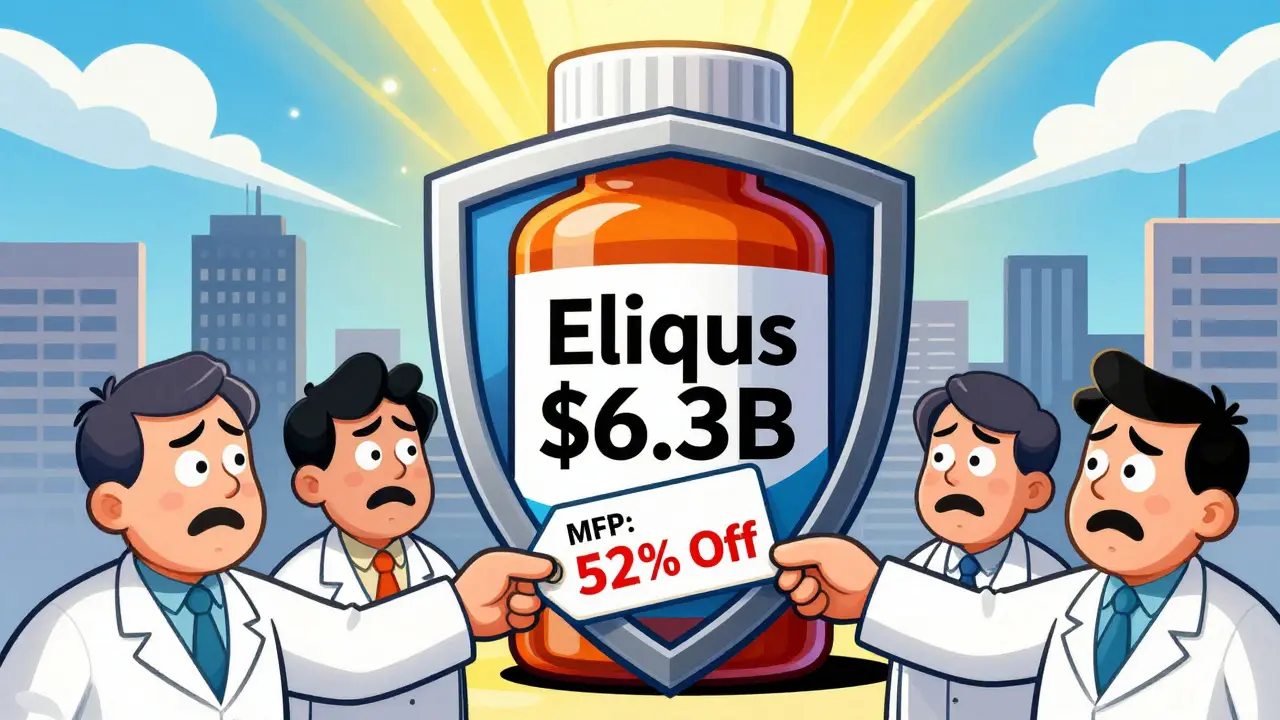
For years, Medicare couldn’t negotiate drug prices. That changed in 2022 when the Inflation Reduction Act gave the government the power to directly bargain with drugmakers for the most expensive medications. Starting January 1, 2026, this new system is finally kicking in - and it’s already shaking up how insurers, pharmacies, and patients handle costs.
What’s Actually Changing?
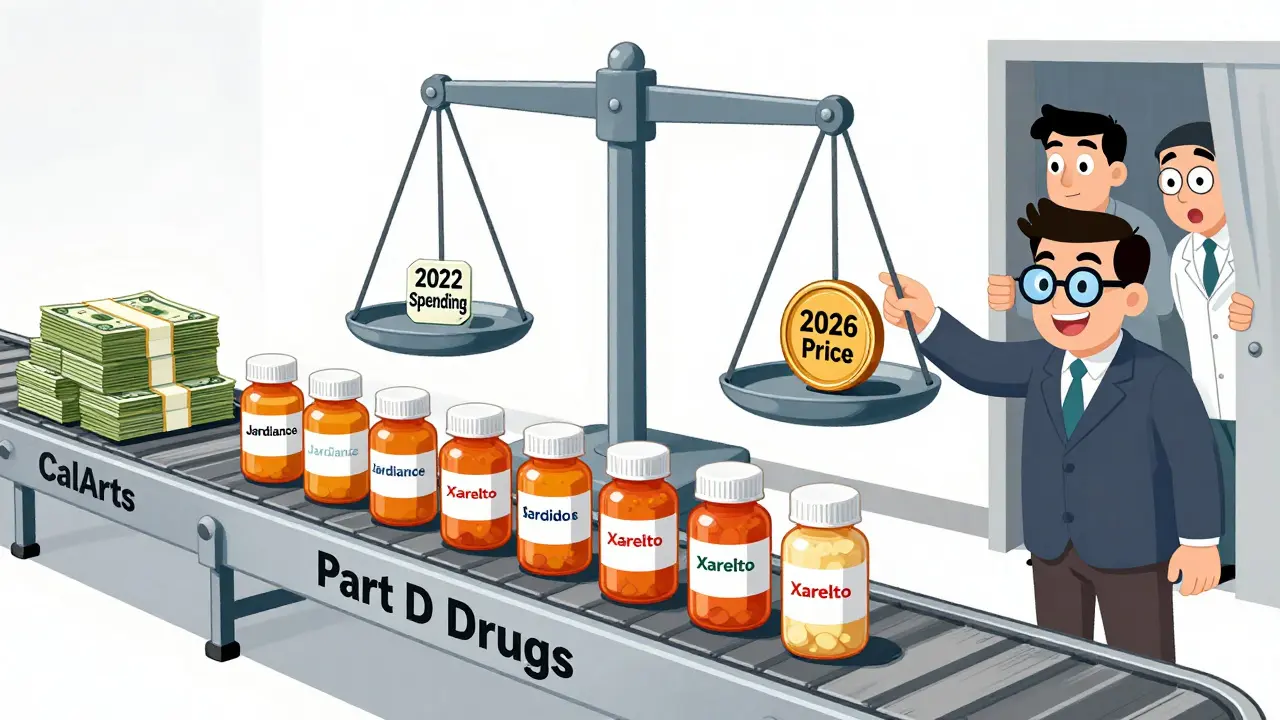
The old system let private insurers negotiate discounts behind the scenes, but Medicare had no say. That meant drugmakers could set prices however they wanted, and Medicare Part D plans had to cover them - even if they cost thousands per month. Now, for the first time, the federal government is stepping in to set a Maximum Fair Price (MFP) for 10 top-selling drugs. These include Eliquis, Jardiance, and Xarelto - all drugs that together cost Medicare over $50 billion in 2022.
Here’s the catch: these aren’t just small cuts. The negotiated discounts range from 38% to 79% off what those drugs cost before. That’s not a minor adjustment - it’s a full reset. For example, Eliquis, which cost Medicare $6.3 billion in 2022, is now priced at nearly half its previous cost. That’s a direct hit to drugmaker profits - and a major win for taxpayers and beneficiaries.
How Did They Decide Which Drugs to Target?
CMS didn’t pick randomly. The law is very specific: only drugs that are at least 7 years old (or 11 years for biologics) and have no generic or biosimilar competition qualify. That means newer drugs like those released in the last few years are still off-limits. The goal? Go after the drugs that have been on the market long enough to have recouped their R&D costs but still hold a monopoly.
The first 10 drugs were chosen based on how much Medicare spent on them. Eliquis alone accounted for more than $6 billion in spending. Other high-cost drugs like Jardiance and Xarelto made the list because millions of Medicare beneficiaries rely on them for diabetes and blood clot prevention. The selection isn’t about popularity - it’s about dollars spent. And it’s working: these 10 drugs represent just 0.3% of all Part D drugs but nearly 25% of total spending.
How the Negotiation Process Actually Works
This isn’t a backroom deal. The process is public, timed, and legally bound.
- On February 1, 2024, CMS sent each drugmaker its initial offer - backed by data on how much the drug cost in other countries, how many alternatives exist, and how much Medicare paid last year.
- Drugmakers had exactly 30 days to respond with a counteroffer.
- Then came three formal negotiation meetings between March and July 2024.
- By August 1, 2024, all 10 drugs had final prices locked in - five through meetings, five through written agreements.
The final price can’t go above two limits: either the weighted average of what private insurers paid last year (after rebates), or a percentage of the drug’s average manufacturer price. This stops companies from claiming they’re losing money - because CMS already has the data to prove otherwise.
What Happens to Private Insurers?
You might think this only affects Medicare. But it doesn’t stay there.
Private insurers - like those offering plans through employers or the ACA marketplace - don’t get to negotiate directly. But they do get a huge side benefit: spillover pricing. Drugmakers, now facing lower prices from Medicare, often lower their prices across the board to avoid confusion or discrimination. Why? Because managing different prices for different buyers is messy and expensive.
According to the Pharmaceutical Care Management Association, private insurers could save $200-250 billion over the next decade just because Medicare forced a price reset. That means lower premiums, smaller copays, and less pressure on employers to cover drug costs.
It’s not magic - it’s economics. When the largest buyer in the country (Medicare) says, “We’re paying X,” everyone else follows.
What About Patients?
For Medicare beneficiaries, the impact is immediate. Starting January 1, 2026, you’ll pay less out of pocket for these 10 drugs. If you’re in the coverage gap (the infamous “donut hole”), your savings will be huge - because your coinsurance is based on the negotiated price, not the old list price.
But here’s the twist: if you’re in the catastrophic phase (after spending over $10,000 a year), your savings might be smaller. That’s because your out-of-pocket costs are capped at 5% of total drug costs - and if the drug price drops, so does your 5% ceiling. Still, you’ll pay less overall.
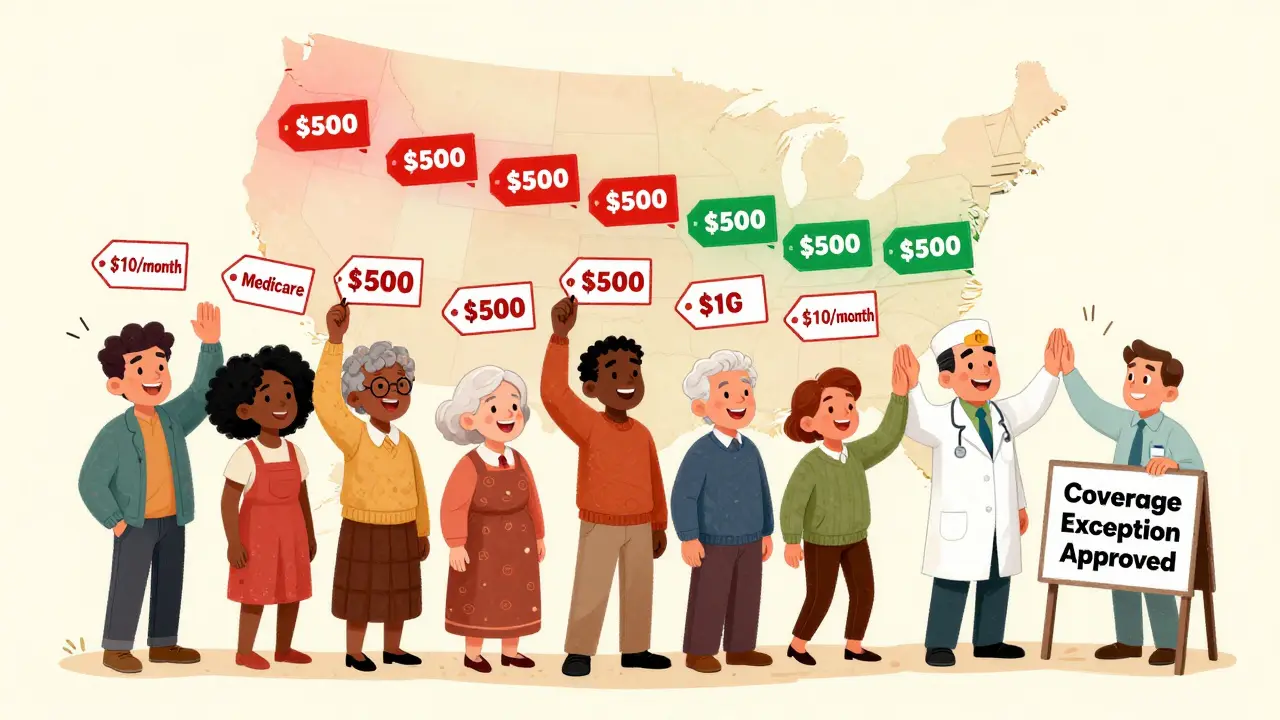
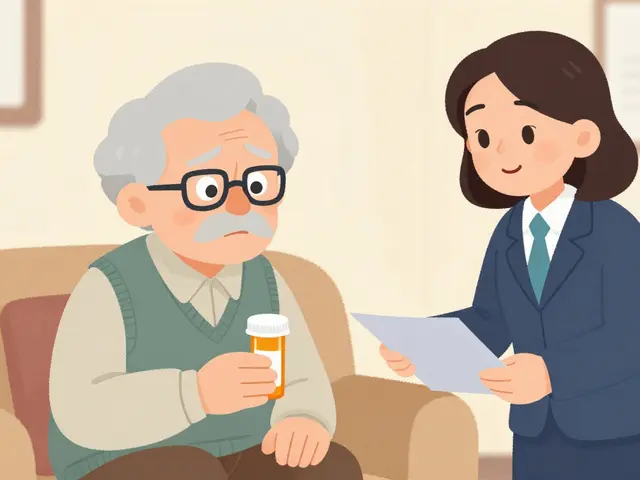
Some patients may worry about switching drugs. If your current medication gets replaced by a cheaper alternative on your plan’s formulary, you might need to appeal. But CMS has made it clear: if a drug is medically necessary, your doctor can request an exception. That’s not a loophole - it’s a safety net.
What’s Next?
This is just the beginning. In 2027, 15 more drugs will be added. In 2028, the program expands to Part B - the part that covers drugs given in clinics and hospitals, like cancer infusions and injectables. That’s a bigger deal than it sounds. Right now, doctors get paid 6% above the drug’s average price. If the price drops, their payment drops too. That’s why some physician groups are pushing back.
But the math is clear: if the government pays less, the whole system pays less. And that includes you.
Why This Matters Beyond Medicare
The U.S. spends more on prescription drugs than any other country - often 2 to 3 times more. Canada, the UK, and Germany have long used government negotiation to keep prices down. The U.S. finally joined them - but with its own rules.
Drugmakers are fighting it. Four companies sued, claiming the law is unconstitutional. But a federal judge dismissed those lawsuits in August 2024. Appeals are expected, but the legal foundation is strong. Meanwhile, the FTC is cracking down on tactics like “product hopping” - where companies tweak a drug slightly just to delay generics. That’s important because the negotiation program only works if there are no alternatives. If drugmakers keep blocking competition, the government will have more drugs to negotiate.
And it’s not just about drugs. It’s about trust. For decades, patients have seen drug prices rise year after year - even when the cost to make the pill barely changed. Now, for the first time, there’s a system that says: “We’re not paying this anymore.”
What This Means for You
If you’re on Medicare: keep an eye on your formulary in late 2025. Your plan will send updates. You might see new prices, new coverage rules, or even new drug options.
If you’re not on Medicare: your premiums and out-of-pocket costs could drop over the next few years. That’s because private insurers are already adjusting their pricing based on what Medicare set.
If you’re a caregiver or advocate: know your rights. If a drug you rely on gets replaced, you can appeal. You can also ask your doctor to help you file a coverage exception. The system isn’t perfect - but it’s finally working in your favor.
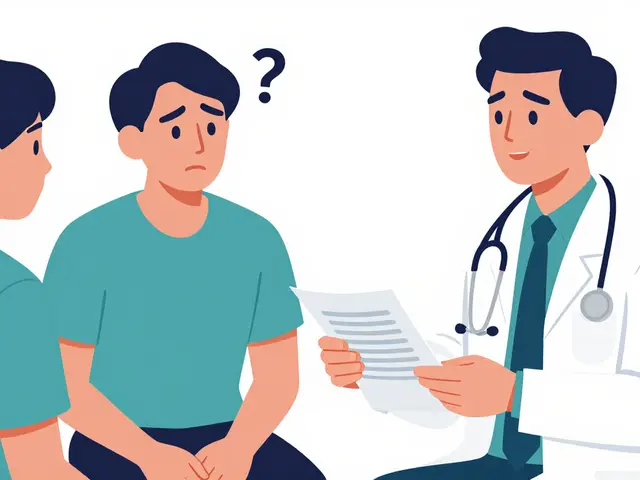
How do I know if my medication is affected by Medicare’s new price negotiations?
Starting in 2026, the 10 drugs affected are: Eliquis, Jardiance, Xarelto, Januvia, Farxiga, Enbrel, Imbruvica, Stelara, Repatha, and Vraylar. If you take any of these, your out-of-pocket cost will drop. Your Medicare plan will notify you by October 2025. If you’re unsure, check your plan’s formulary online or call your pharmacy.
Will my private insurance also lower its prices because of this?
Yes - indirectly. Drugmakers often set one price for all buyers to avoid confusion. When Medicare cuts a drug’s price, companies usually lower it across the board. That means private insurers, employers, and even cash-paying patients may see lower prices too. Experts estimate private insurers could save $200-250 billion over 10 years because of this ripple effect.
Can I still get the same brand name drug if it’s replaced on my formulary?
Yes. If your plan switches to a cheaper alternative, you can request a coverage exception from your insurer. Your doctor must write a letter explaining why the original drug is medically necessary. Most exceptions are approved - especially for conditions like heart failure, diabetes, or autoimmune diseases where switching could be risky.
What happens if a drugmaker refuses to negotiate?
They can’t. The law requires participation. If a company refuses to negotiate, it faces a steep tax - up to 95% of its total U.S. sales for that drug. That’s not a fine - it’s a financial death sentence. No company has refused so far. Even the ones suing are still negotiating.
Are biosimilars affected by this program?
Not directly. But they play a big role. The program only targets drugs with no generic or biosimilar competition. So if a biosimilar enters the market, the original drug loses eligibility for negotiation. That’s actually a good thing - it pushes companies to allow competition. Right now, only 42 biosimilars are approved in the U.S., and uptake is low. But as more enter, the pool of negotiable drugs will shrink - and that’s the point.

9 Comments
So let me get this straight... the government is now setting drug prices? Next they'll be telling us how many potatoes we can buy at the grocery store. This is socialism with a side of corporate whining. They're gonna bankrupt the system with all this 'fair pricing' nonsense. You think Big Pharma's gonna just roll over? Nah. They'll cut R&D, lay off scientists, and we'll all be stuck with no new drugs in 5 years. Mark my words. It's a slippery slope, and we're already halfway down.
I'm so done with this! 😭 I've been paying $800 a month for Eliquis and now they're saying it's gonna be half? I'm crying happy tears!! My cat even purred when I told her the news. This is what real change looks like!! 🙌🙌🙌 Finally someone stood up to the drug giants! Thank you, Biden! 🇺🇸❤️
This is pure betrayal. They're letting China and Canada dictate our drug prices now. You think these companies are just giving up profits? They're shifting costs to the rest of us. You think your 'savings' are real? Wait till you see your premiums jump next year. And don't get me started on how this will kill innovation. This isn't negotiation - it's extortion. The government has no business setting prices. This is how empires fall. We're one step away from rationing insulin.
I just want to say how proud I am of our country for finally doing the right thing. 💕 After decades of watching pharmaceutical CEOs get richer while seniors skip doses? It’s about time. I’ve seen my neighbor choose between insulin and her electric bill. This isn’t just policy - it’s moral. And yes, drugmakers are upset. Good. They’ve had too many years of playing God with people’s lives. Let them make less money. We’re not a country that lets greed decide who lives or dies.
The math is wrong. You think lowering prices by 50% means savings? No. It means reduced R&D. Innovation dies. The U.S. leads because we let companies profit. Now we’re becoming Europe. And Europe? They have the lowest innovation rate in the developed world. You want cheap drugs? Fine. But you’ll get old drugs. And fewer cures. This isn’t reform. It’s regression.
Spillover pricing is the real win here. The PBMs are already adjusting formularies. The 80% rebate model is collapsing. This is a structural shift - not a policy tweak. The MFP framework creates a new price anchor. Private payers will now benchmark against CMS, not historical list prices. This is a paradigm shift in pharmacoeconomics. Expect margin compression across the board. The supply chain will reconfigure. This is just Phase 1.
While I am deeply impressed by the U.S. government's move toward equitable pricing, I must respectfully note that in India, we have long relied on generic manufacturers to ensure access. The absence of patent monopolies has allowed millions to survive on affordable medicines. Perhaps this is not merely a price negotiation, but a necessary alignment with global health equity. I hope this model expands beyond the top ten drugs. Humanity must come before profit.
Wait so you're telling me the government is gonna cap prices? I mean, I get it, but what about the patents? Didnt they just pay billions to develop this stuff? I think the FDA should have more say. Also, I read somewhere that this might cause shortages? I'm not a doctor but I think we should be careful. Like, what if the companies just stop making them? I mean, they're businesses. They gotta make money. I think this is gonna backfire. Someone please fact check me.
I just wanted to say thank you to whoever pushed this through. My mom has been on Jardiance for 6 years. She cried last week when her pharmacist told her the price dropped from $700 to $180. She said she finally feels like she’s not a burden. I’ve been scared to ask her if she’s skipping doses. Now I don’t have to. This isn’t politics. It’s dignity. I’m so grateful. 💙