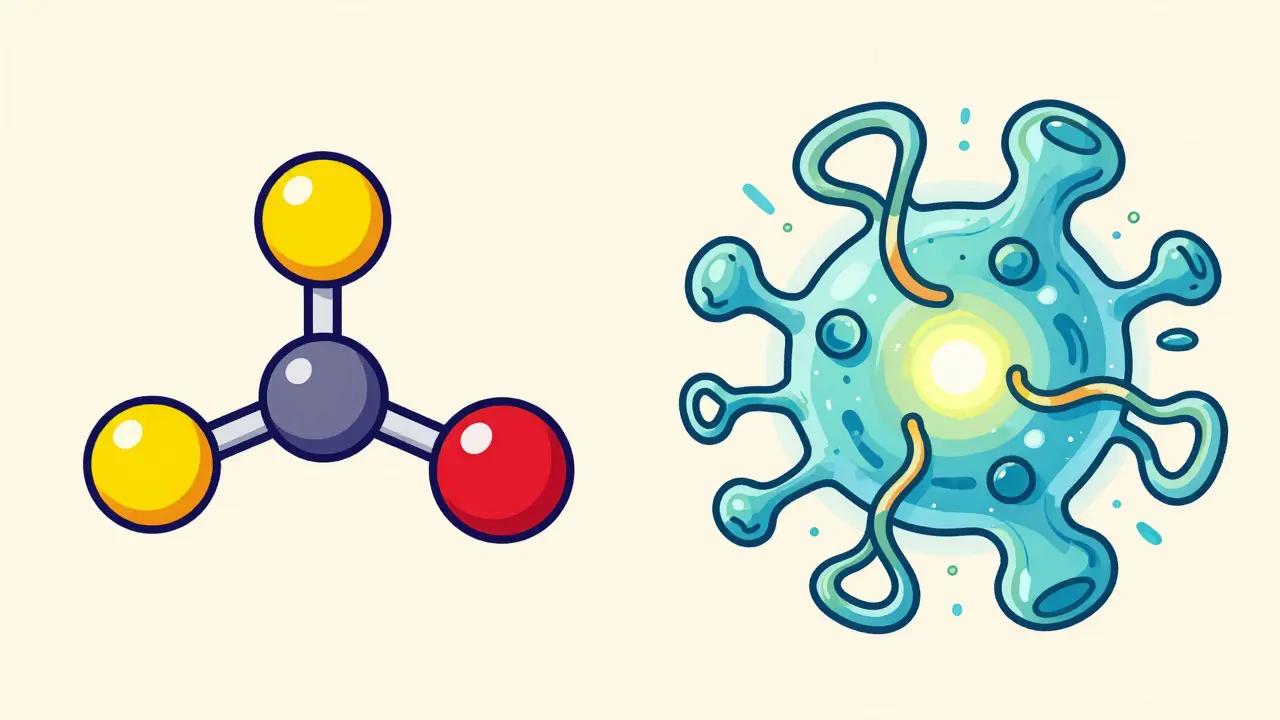
If you've ever looked at the price tag of a specialty medication, you know it can be staggering. For years, the market for biologics-drugs made from living cells-was essentially a monopoly, with single companies holding patents and setting high prices. But things are changing. Biosimilars is a type of biologic medication that is highly similar to an already approved reference biologic, showing no clinically meaningful differences in safety or potency. While they aren't exact copies, they are designed to bring much-needed competition to a sector of medicine that has historically been prohibitively expensive.
Why biosimilars aren't just "generics"
It's common to confuse biosimilars with generic drugs, but the difference comes down to chemistry and scale. A standard generic is a small-molecule drug; it's like a simple recipe that can be copied exactly every single time. Biologics, however, are massive, complex molecules grown in living organisms. Because of this biological variance, you can't make an identical copy. You can only make something "highly similar."
This complexity is exactly why the biosimilar cost savings look different from the deep discounts we see with generics. When a generic hits the market, prices often plummet by 80% to 90% almost instantly. Biosimilars require more expensive manufacturing and more rigorous regulatory hurdles, meaning the initial price drops are usually more modest. However, as more competitors enter the fray, those savings tend to deepen over time.
Comparing the numbers: Biosimilars vs. Originators
So, how much money are we actually talking about? In the broader market, biosimilars have already made a dent. According to the Association for Accessible Medicines, these drugs generated over $20 billion in savings in 2024 alone. But the actual percentage you save depends heavily on the specific drug.
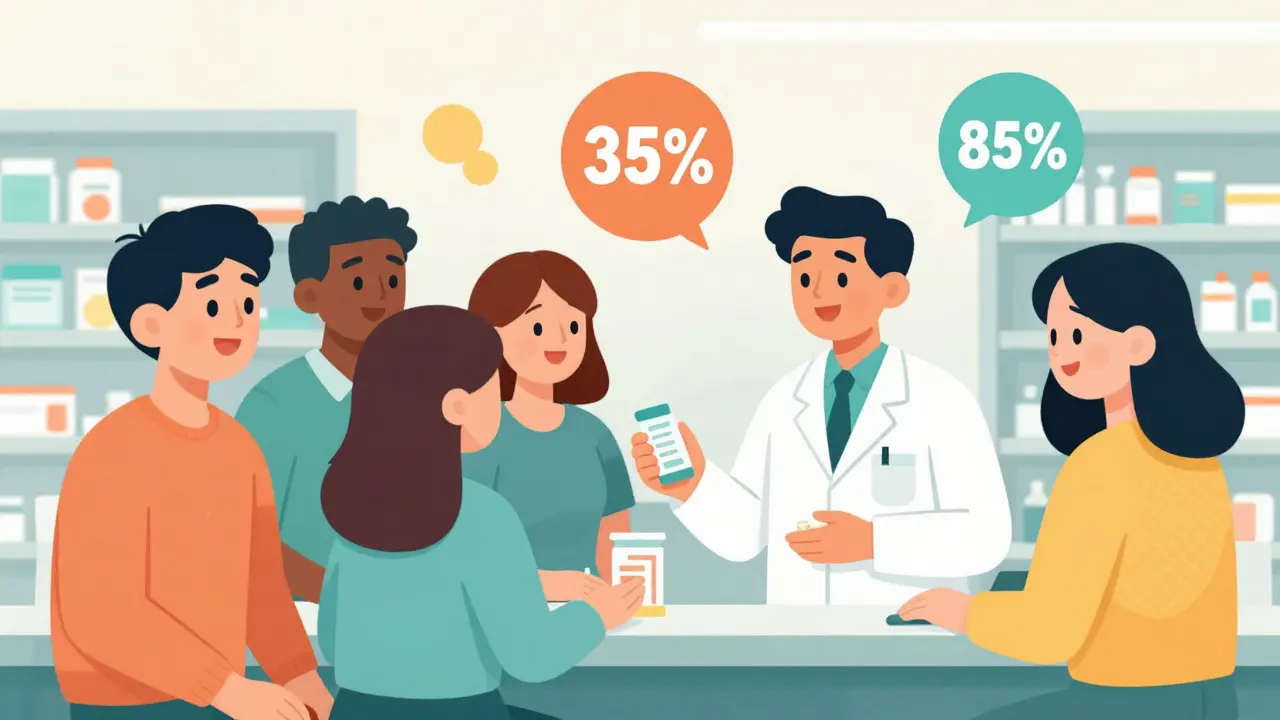
For instance, medications like Humira (adalimumab) have seen a massive shift. Once a top-spending biologic, the arrival of ten different biosimilars-some of which are interchangeable-has pushed some list-price savings as high as 85%. Similarly, Stelara (ustekinumab) saw new biosimilar entrants in 2025 with prices up to 90% lower than the original list price. On average, however, a more typical saving for medical benefits coverage hovers around 35%.
| Feature | Small-Molecule Generics | Biosimilars | Originator Biologics |
|---|---|---|---|
| Structure | Simple / Small Molecule | Complex / Large Molecule | Complex / Large Molecule |
| Price Drop Potential | 80-90% (Immediate) | 15-35% (Average) / Up to 90% (Specific cases) | Baseline High Price |
| Manufacturing | Chemical Synthesis | Living Cell Cultures | Proprietary Bio-process |
| Market Entry | Rapid / High Volume | Gradual / Regulated | Patent Protected |
How the savings actually reach the patient
It's not always as simple as the pharmacy charging less. The pharmaceutical world uses a complex system of rebates and contracts. In many cases, the "list price" is a phantom number. Pharmacy Benefit Managers (PBMs) often negotiate rebates from the original manufacturer that can make the originator drug look cheaper on paper than the biosimilar, even if the list price is double. This is often called the "rebate trap."
Despite this, patients are seeing real wins. Data from CSRxP shows that in commercial markets, out-of-pocket costs for patients using biosimilars were about 23% lower than those using the original version. For employees at self-insured companies, switching just one or two biologics to biosimilars can save a company millions of dollars, which theoretically reduces the pressure to raise premiums.
The "Biosimilar Void": A missed opportunity
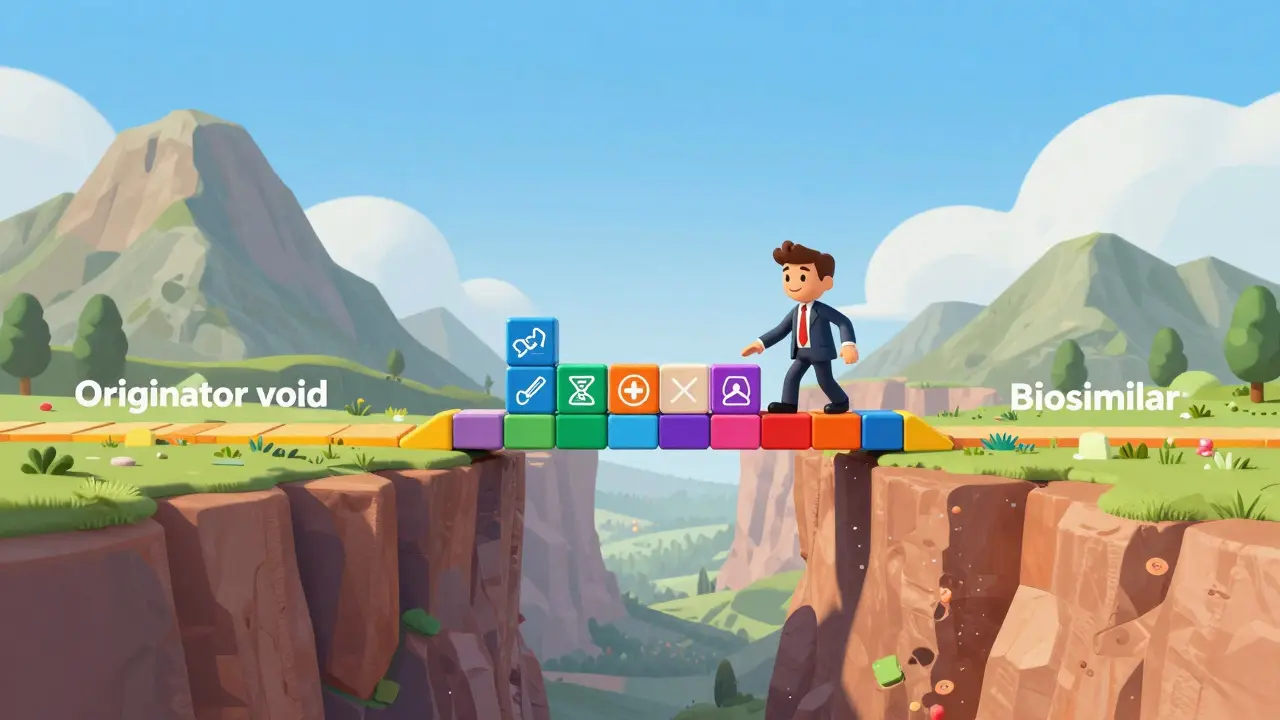
If biosimilars save so much money, why aren't we using them for everything? There's a significant problem known as the "biosimilar void." While over a hundred biologics are expected to lose their patent protection over the next decade, only a small fraction actually have biosimilars in the development pipeline. In the US, about 90% of biologics losing exclusivity lack a competing biosimilar in the works.
This is a stark contrast to the European Union. In Europe, a much higher percentage of high-sales biologics have biosimilars in development. For example, Norway achieved an 86% market share for certain biosimilars within just three years. The US has been slower to adopt, meaning billions of dollars in potential healthcare savings are currently being left on the table.
Strategies for maximizing cost reductions
For those managing healthcare plans or employers, you can't just hope for lower prices; you have to drive them. Experts suggest a few concrete moves to get the most out of biosimilar entry:
- Formulary Positioning: Placing biosimilars in a "preferred" tier to encourage doctors and patients to choose them first.
- Step Therapy: Requiring a patient to try a biosimilar before moving up to the more expensive originator drug, provided it's clinically appropriate.
- Contract Negotiation: Pushing PBMs to reward the use of biosimilars rather than favoring the rebates offered by originator companies.
These shifts don't happen overnight. It usually takes about 6 to 12 months to fully integrate these strategies into a pharmacy benefit plan, but the result is a more sustainable system where funds saved on old drugs can be used to pay for the next generation of medical breakthroughs.
Are biosimilars as safe as the original biologic?
Yes. By definition, a biosimilar must show no clinically meaningful differences in safety, purity, and potency compared to the reference product. They go through rigorous FDA (or EMA) testing to ensure they work the same way in the body.
Why is the price drop for biosimilars smaller than for generics?
Biologics are made from living cells, making them incredibly expensive to develop and manufacture. Unlike a simple chemical formula for a generic, the biological process is complex and costly, which keeps the floor price higher.
What does "interchangeable" mean for a biosimilar?
An interchangeable biosimilar meets a higher regulatory standard, allowing a pharmacist to switch a patient from the original biologic to the biosimilar without the doctor needing to write a new prescription.
Will my insurance cover the switch to a biosimilar?
Most insurance plans are actually encouraging the switch because it lowers their costs. Many plans now list biosimilars as "preferred" drugs, which often means lower co-pays for the patient.
How much can a patient actually save out-of-pocket?
While it varies, research shows average out-of-pocket savings of around 23% in commercial markets, with some employees seeing reductions between 12% and 45% depending on the specific medication and plan.
Next steps for patients and providers
If you are currently on a biologic, the best move is to have a direct conversation with your doctor about whether a biosimilar is available for your specific condition. Ask if the biosimilar is listed as "preferred" by your insurance provider, as this is where the most immediate savings are found. For healthcare administrators, the priority should be auditing current biologic spend and identifying which medications are entering the "biosimilar void" to proactively seek out alternatives and negotiate better contracts.