
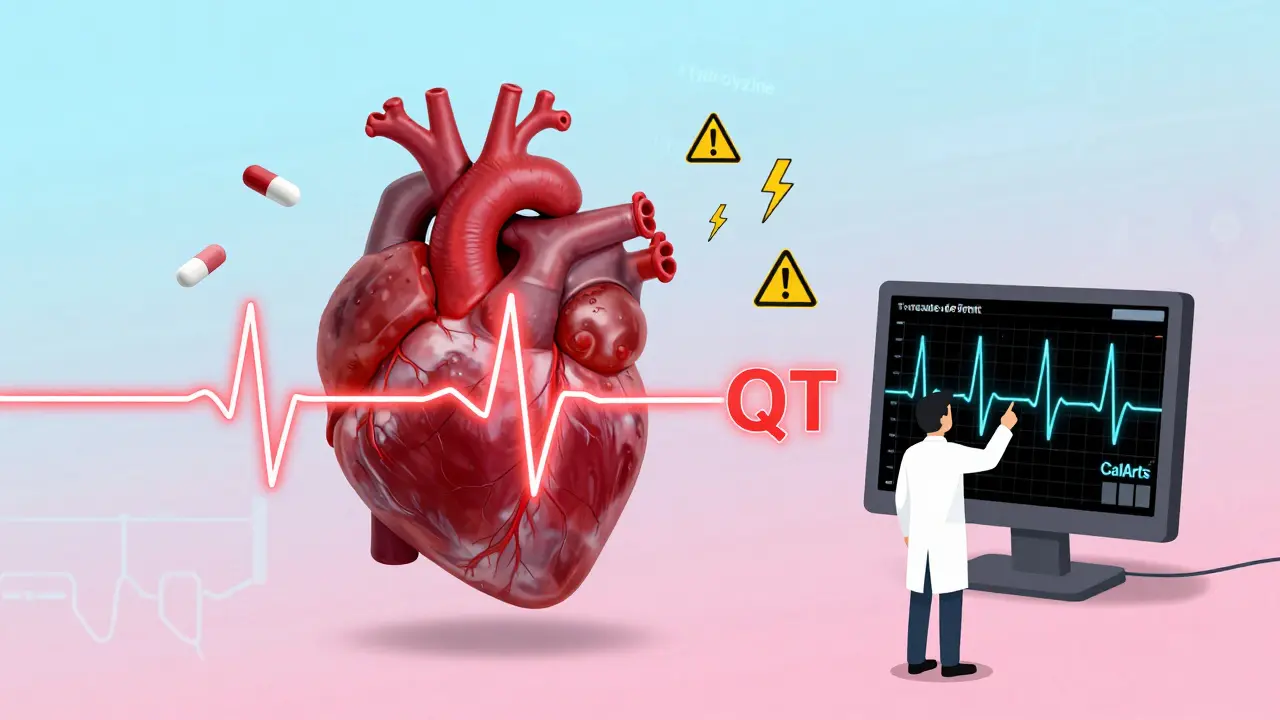
Hydroxyzine is commonly prescribed for anxiety and itching, but it carries a serious risk of QT prolongation and Torsade de Pointes. Learn who's at risk, what doses are safe, and how to avoid life-threatening heart complications.
Keep Reading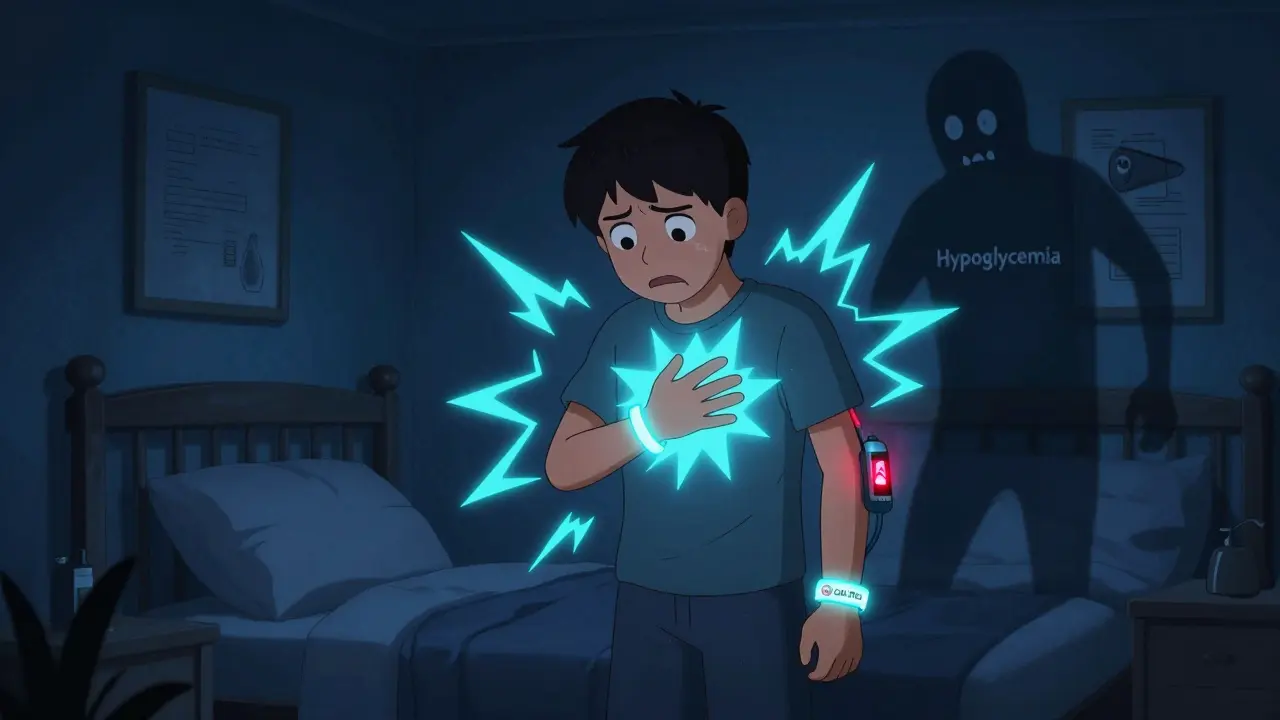
Insulin therapy is essential for many with diabetes, but hypoglycemia and weight gain are common, serious side effects. Learn how to manage them safely with modern strategies and expert-backed advice.
Keep Reading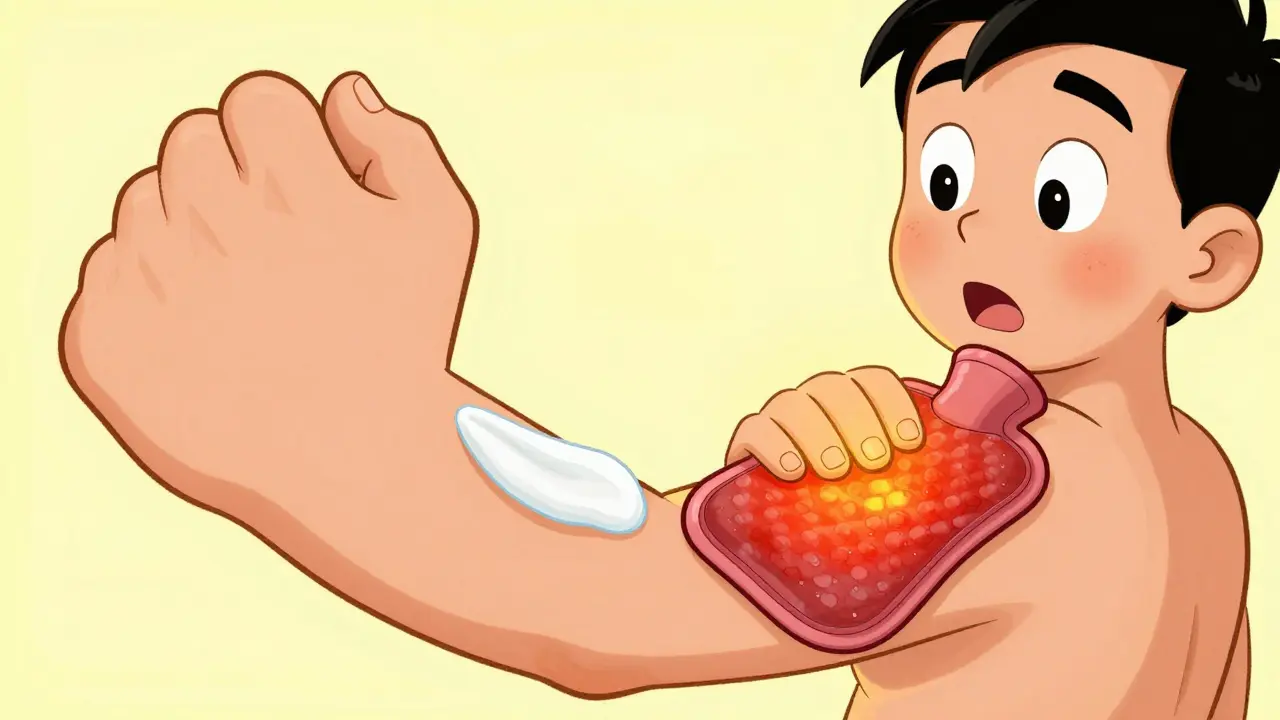
OTC topical pain relievers offer localized relief but carry hidden risks. Learn about ingredient-specific dangers like menthol burns and illegal lidocaine products, plus safety guidelines to avoid side effects. Health Canada and FDA warnings highlight why proper use matters.
Keep Reading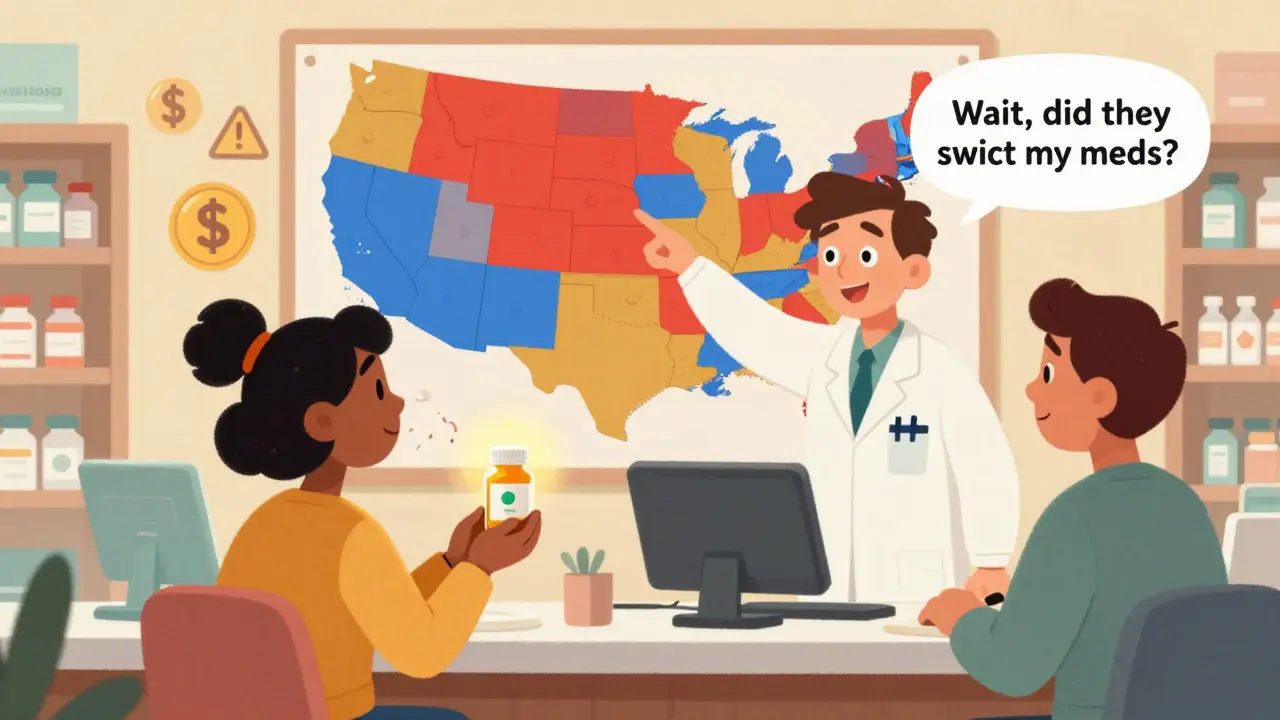
Every state has different rules for when pharmacists can swap brand-name drugs for generics-or biosimilars. This guide breaks down the 50-state landscape, from mandatory substitution to patient consent and liability risks.
Keep Reading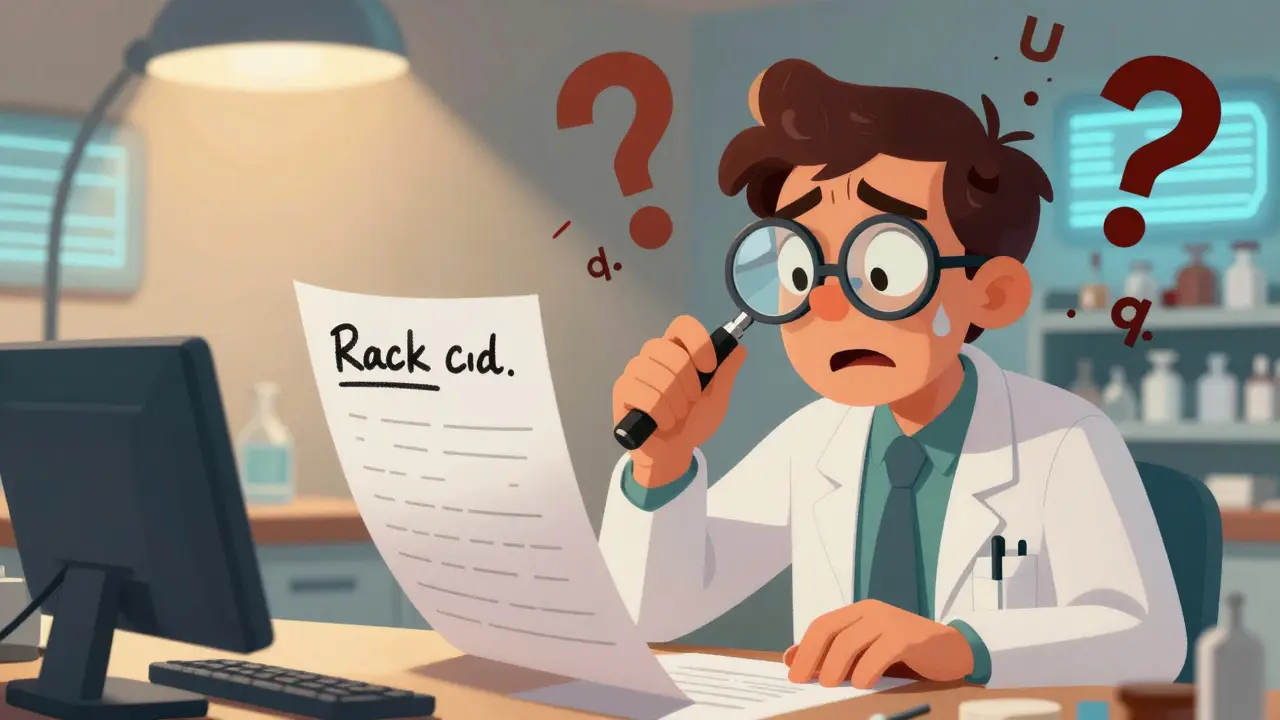
Illegible handwriting on prescriptions causes thousands of preventable deaths each year. Electronic prescribing has slashed these errors by over 90%, making it the most effective patient safety solution today.
Keep Reading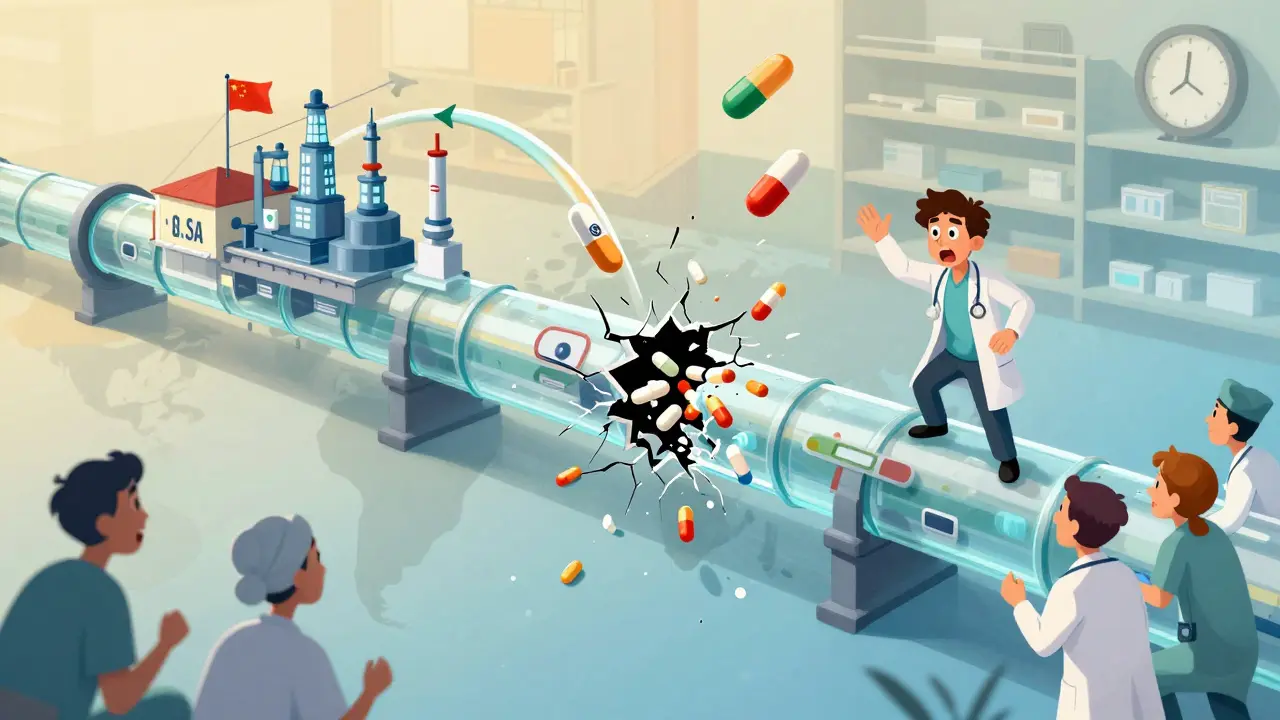
Drug shortages are a growing crisis fueled by fragile global supply chains. Long-term solutions require smarter manufacturing, diversified suppliers, AI-driven forecasting, and regulatory reform-not just stockpiling. Here’s how to build real resilience.
Keep Reading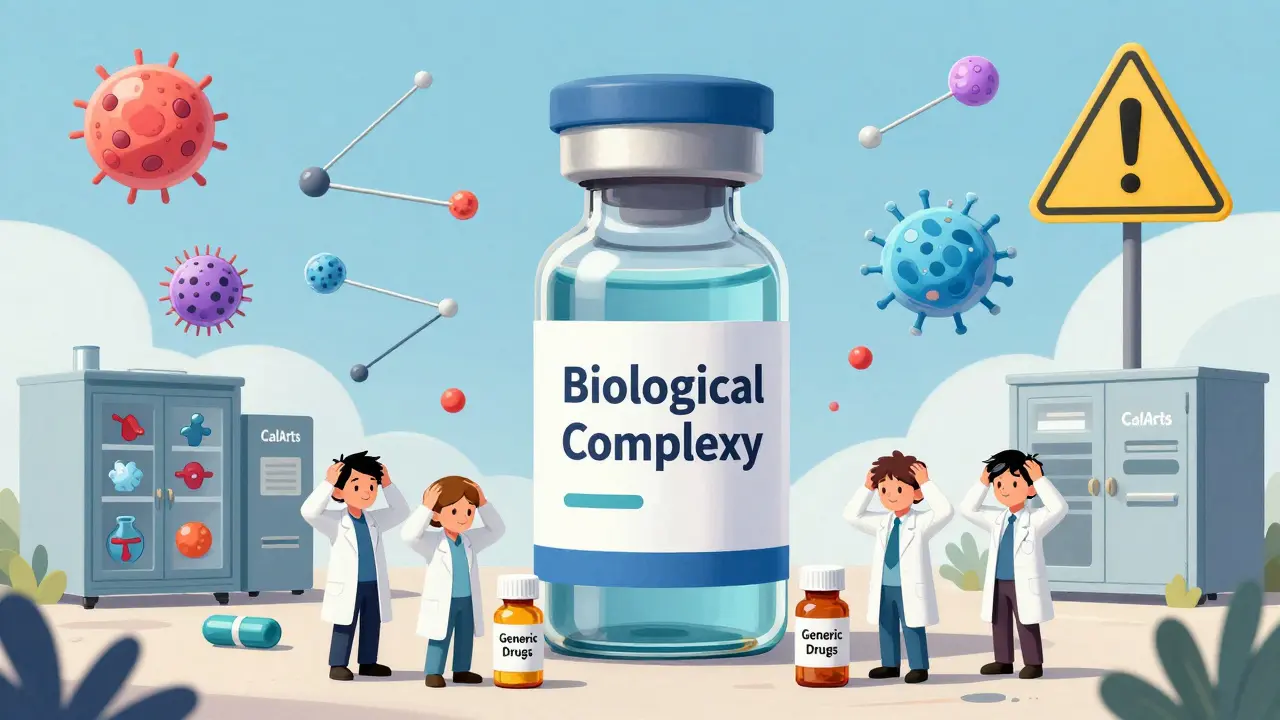
Vaccine generics don't exist like drug generics-complex biology, high costs, and concentrated production create global access gaps. Who makes vaccines, who controls supply, and why equity remains out of reach.
Keep Reading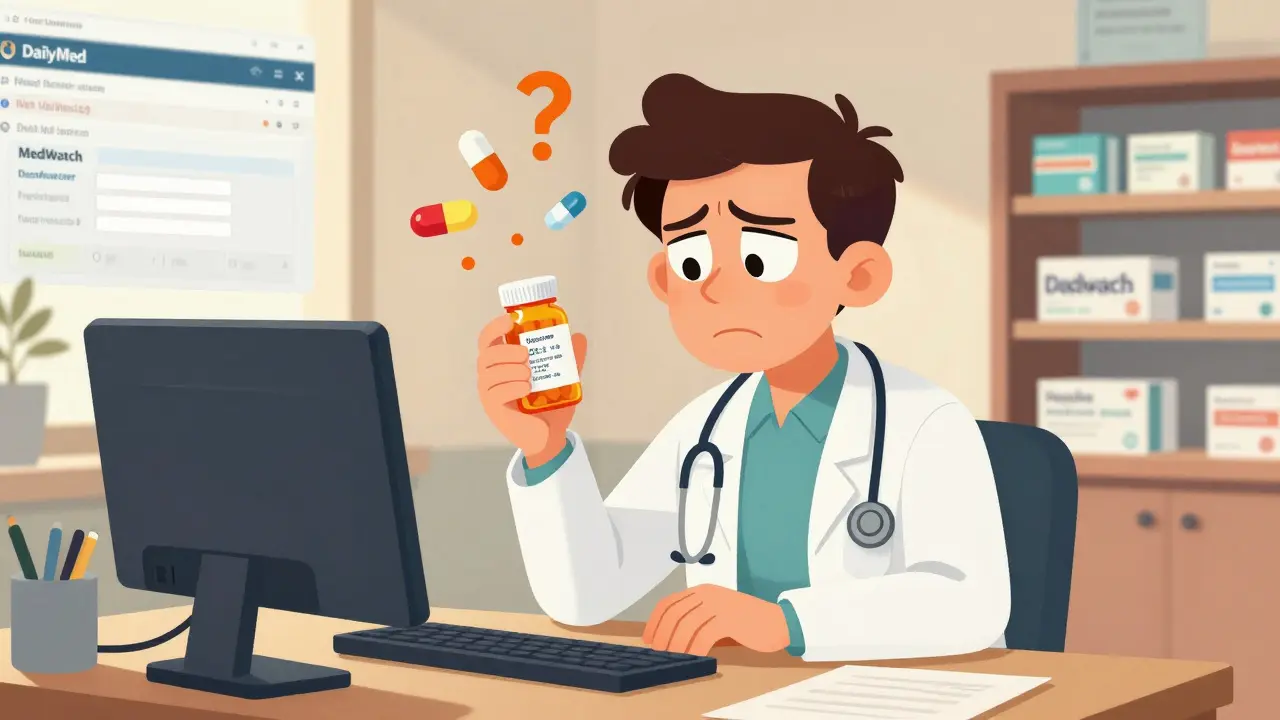
Despite identical regulations, serious adverse events from generic drugs are underreported. Learn how to correctly report reactions, why the system fails, and what’s being done to fix it.
Keep Reading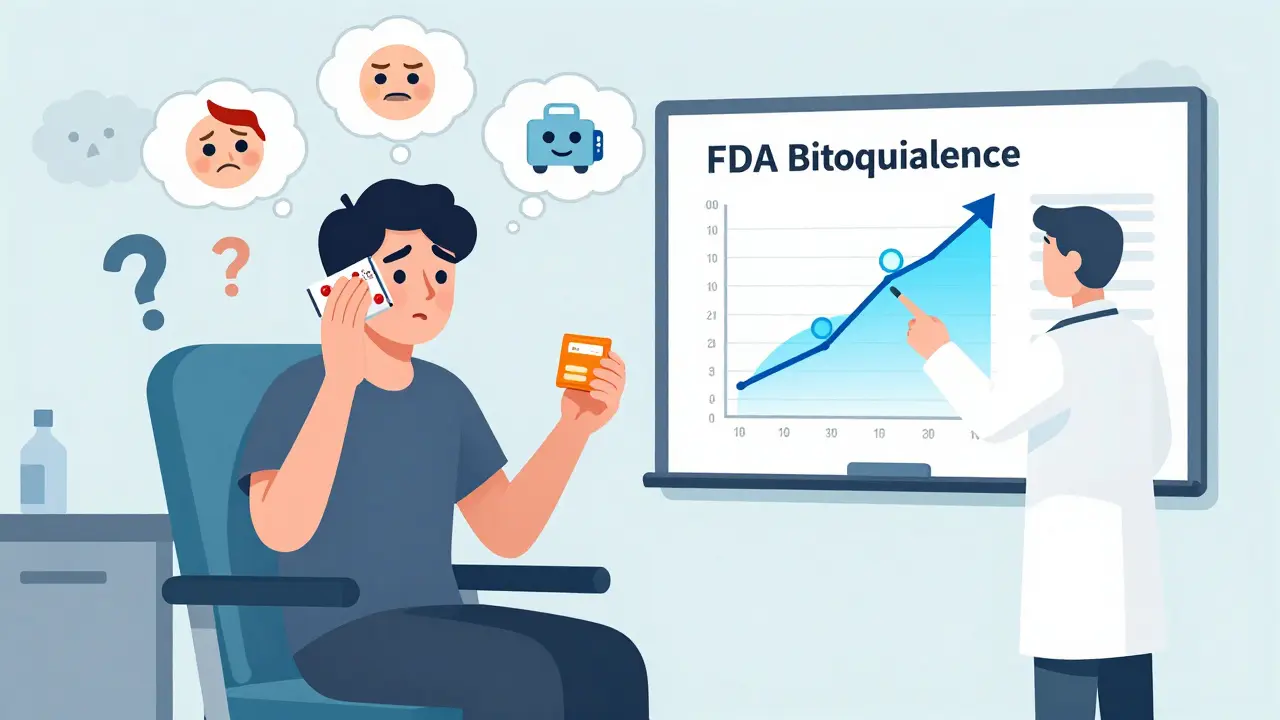
Generic medications are chemically identical to brand-name drugs, but patient perception often leads to worse side effects due to the nocebo effect. Learn how expectations, packaging, and communication shape real health outcomes-and how to fix them.
Keep Reading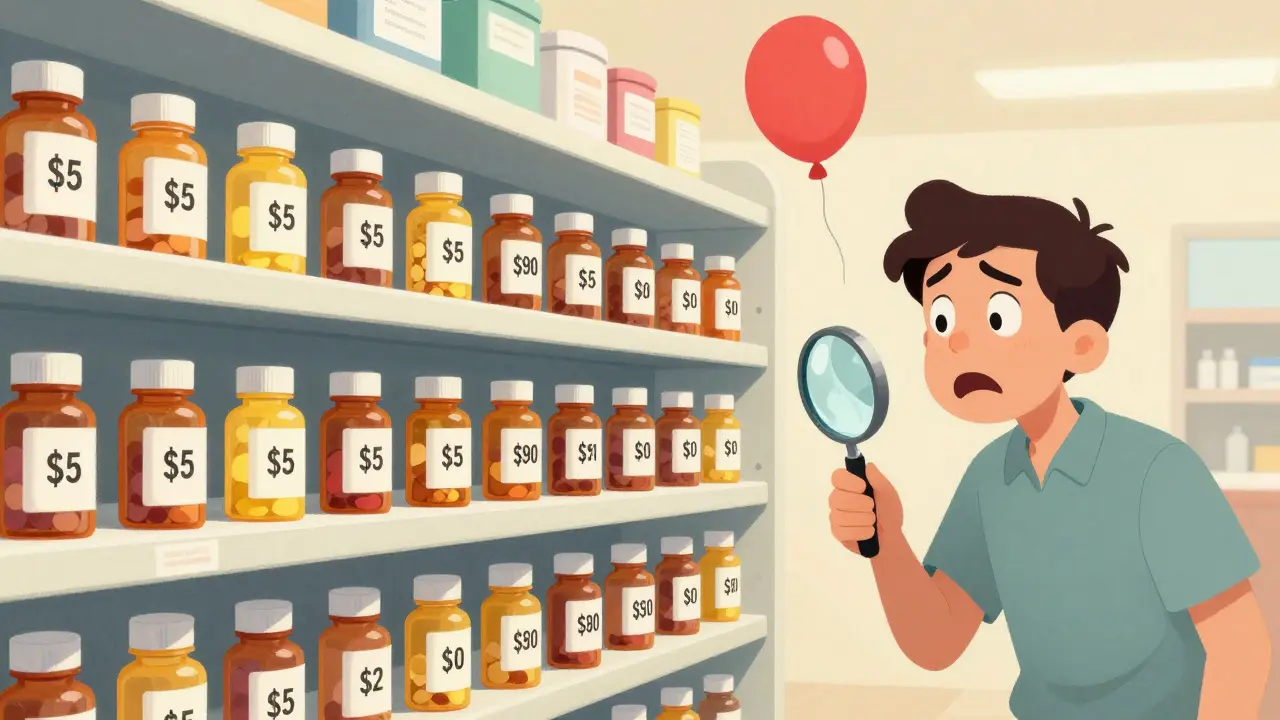
The U.S. doesn't directly control generic drug prices, relying on competition instead. But when only a few makers exist, prices spike. Here's how Medicaid, Medicare, and new laws are changing what you pay.
Keep Reading