
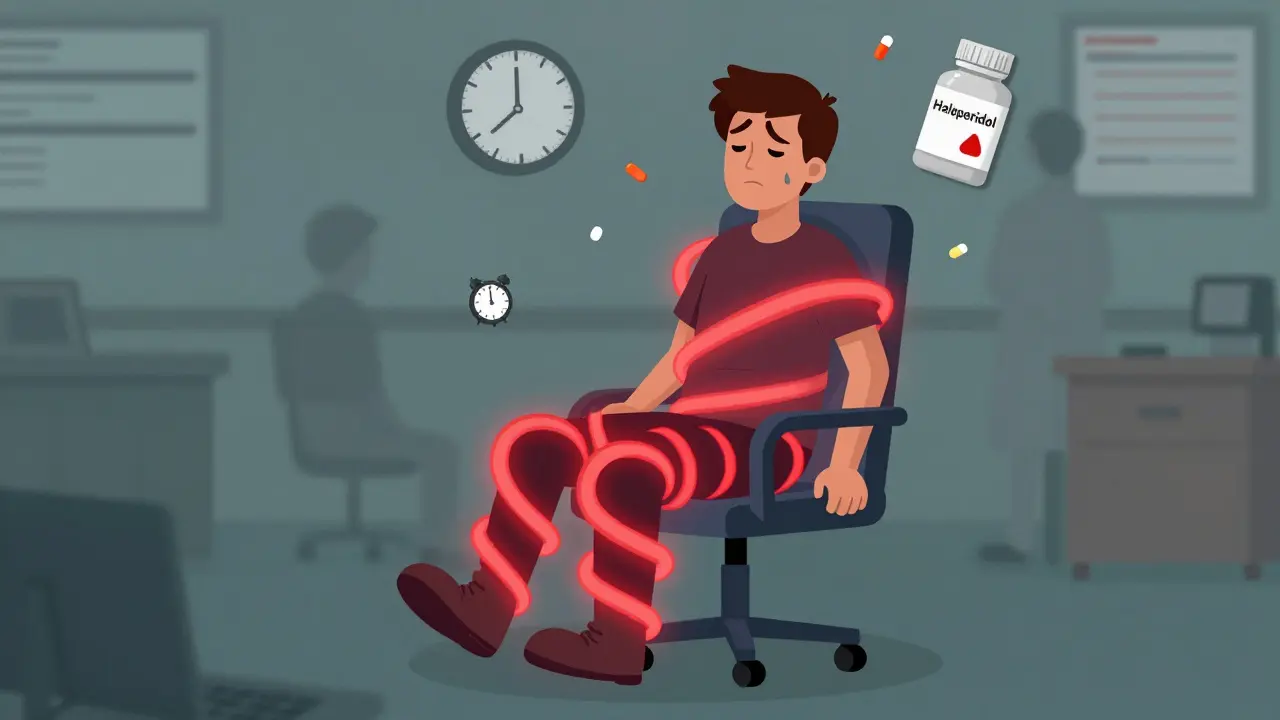
Akathisia and restless legs syndrome look similar but have different causes and treatments. Learn how to tell them apart, why misdiagnosis is dangerous, and what actually works to relieve medication-induced restlessness.
Keep Reading
Learn how to prepare for medication discussions with your OB/GYN during pregnancy and breastfeeding. Know what to bring, what to ask, and which drugs are safe - so you and your baby stay protected.
Keep Reading
Insulin therapy is essential for many with diabetes, but hypoglycemia and weight gain are common, serious side effects. Learn how to manage them safely with modern strategies and expert-backed advice.
Keep Reading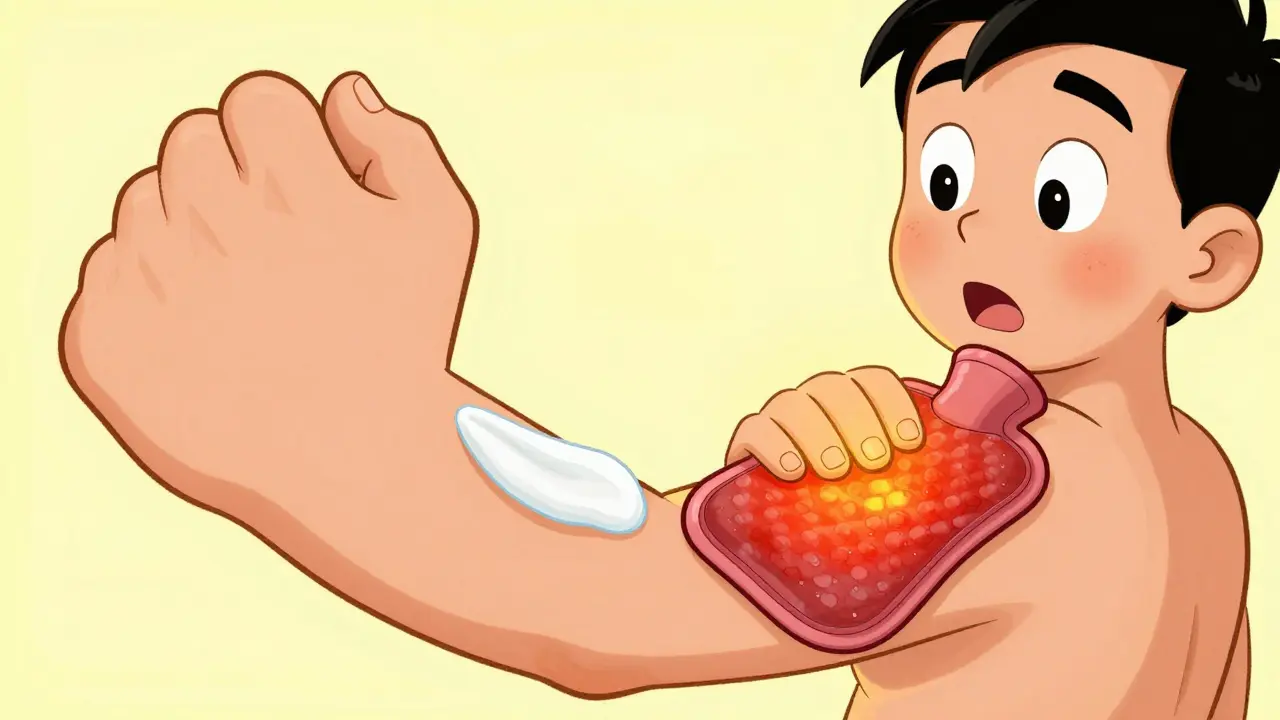
OTC topical pain relievers offer localized relief but carry hidden risks. Learn about ingredient-specific dangers like menthol burns and illegal lidocaine products, plus safety guidelines to avoid side effects. Health Canada and FDA warnings highlight why proper use matters.
Keep Reading
Many people take supplements without telling their doctors - but that can be dangerous. Learn why disclosing herbal remedies and vitamins is critical to avoid harmful interactions and ensure safe, effective care.
Keep Reading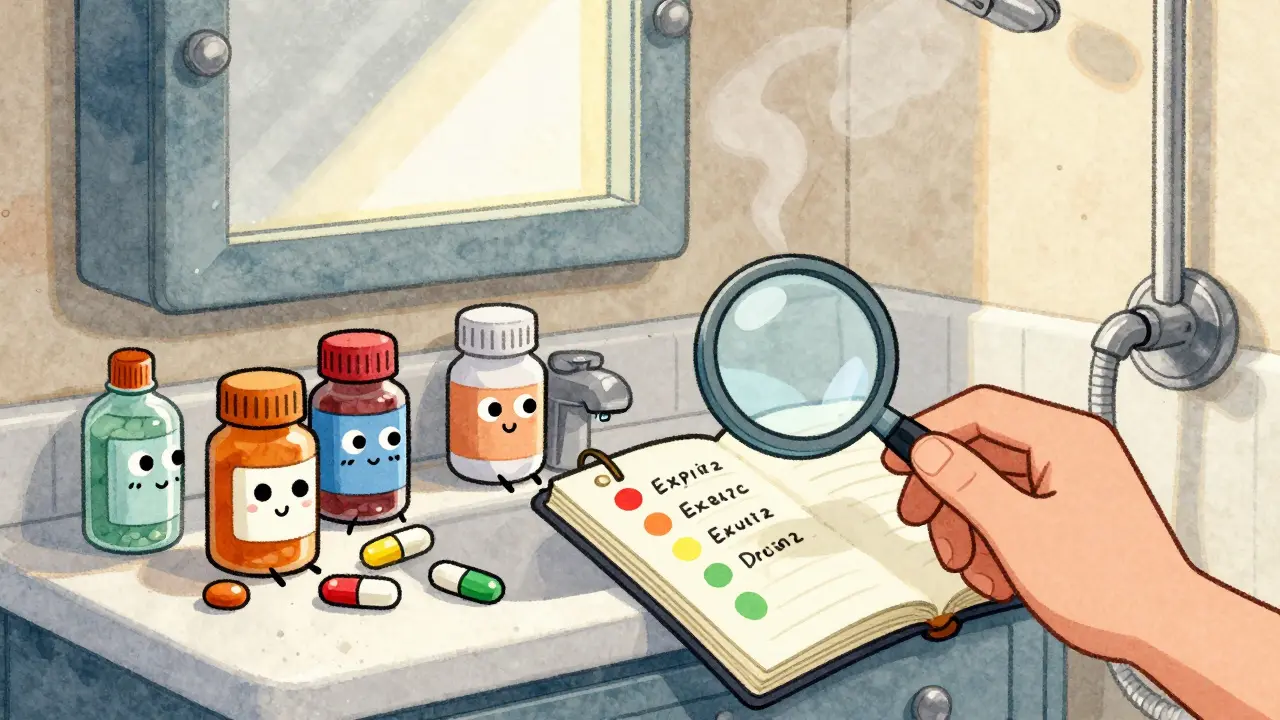
Learn how to track medicine expiration dates in your home cabinet with simple, practical steps. Avoid risks from outdated pills and keep your family safe with easy organization and safe disposal tips.
Keep Reading
Drug shortages are a growing crisis fueled by fragile global supply chains. Long-term solutions require smarter manufacturing, diversified suppliers, AI-driven forecasting, and regulatory reform-not just stockpiling. Here’s how to build real resilience.
Keep Reading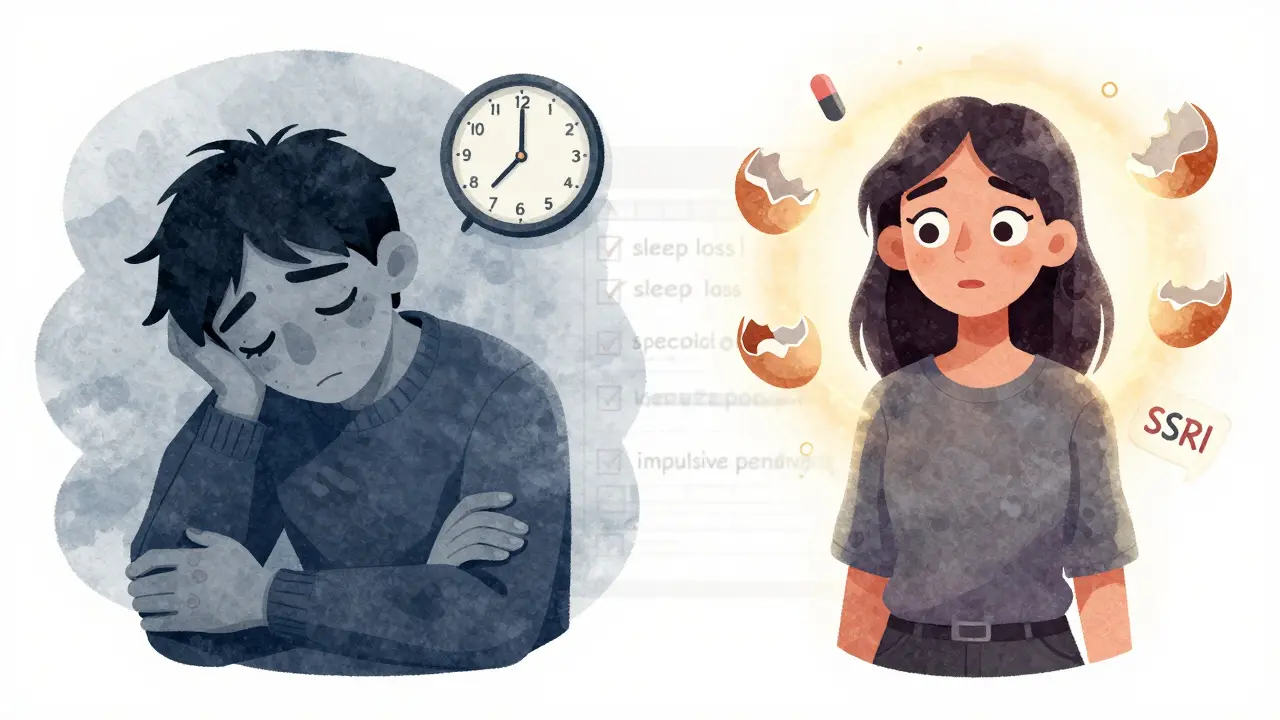
Bipolar and unipolar depression look alike but require completely different treatments. Learn the key diagnostic signs, why misdiagnosis leads to worse outcomes, and what treatments actually work for each.
Keep Reading
Despite identical regulations, serious adverse events from generic drugs are underreported. Learn how to correctly report reactions, why the system fails, and what’s being done to fix it.
Keep Reading
A low-sodium diet and proper hydration can significantly reduce vertigo, tinnitus, and hearing loss in Meniere’s disease. Learn the science-backed sodium limits, what to eat, and how to stick with it long-term.
Keep Reading