
Discover how generic medications slash costs for chronic conditions by up to 90% without sacrificing quality. Learn the science of bioequivalence, calculate your potential lifetime savings, and master strategies to optimize your health budget.
Keep Reading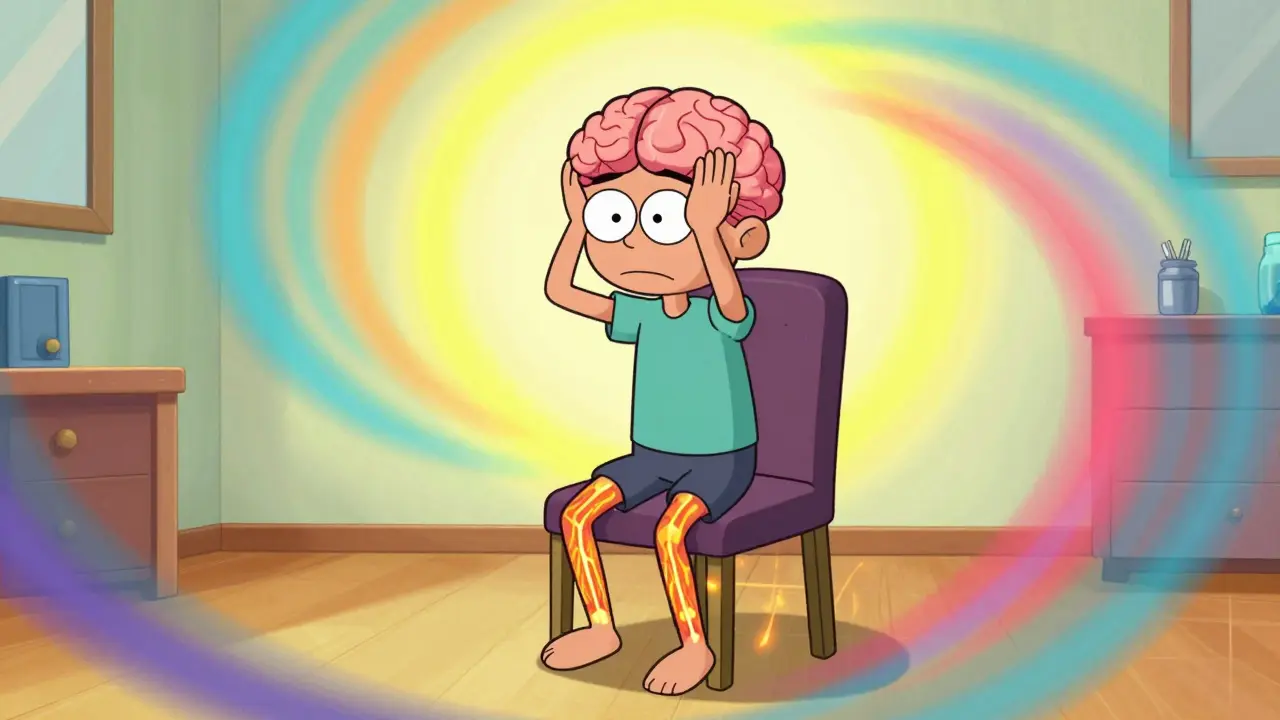
Explore the impact of autonomic neuropathy on your body, specifically focusing on unexplained blood pressure drops and digestive issues. Learn how diagnosis works and discover treatment strategies.
Keep Reading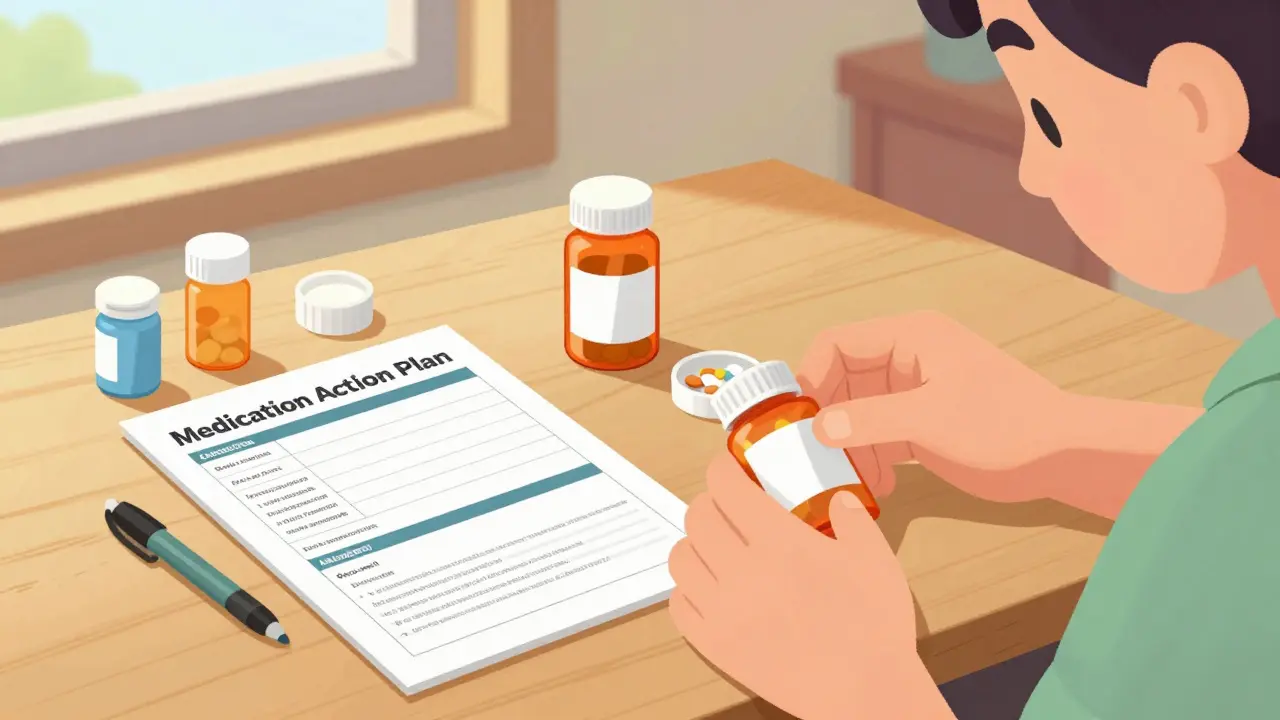
Master using Medication Action Plans during healthcare visits. Learn proven techniques to communicate effectively with providers, reduce errors, and manage complex medication regimens safely.
Keep Reading
An in-depth look at long-term safety studies comparing generic and brand-name drugs, exploring bioequivalence standards, manufacturing variability, and patient outcomes.
Keep Reading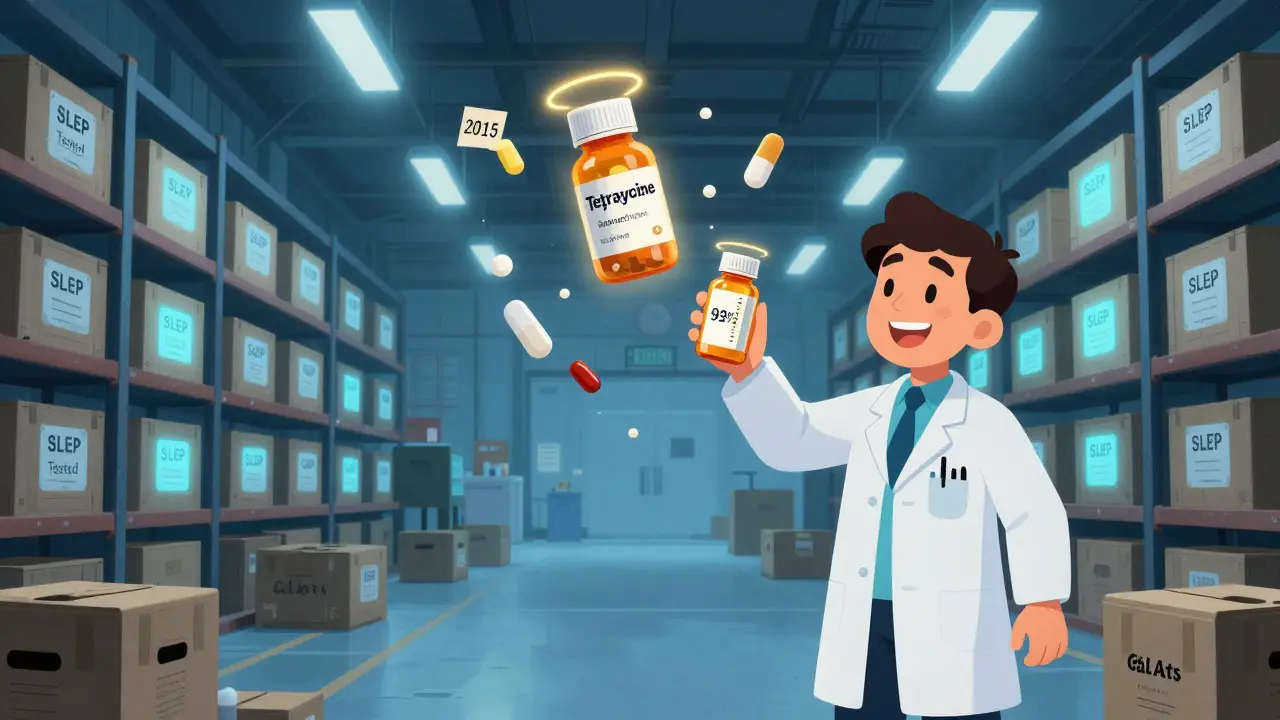
The Military Shelf Life Extension Program proves many drugs remain effective years past their expiration dates when stored properly - challenging conventional wisdom and saving billions in federal spending.
Keep Reading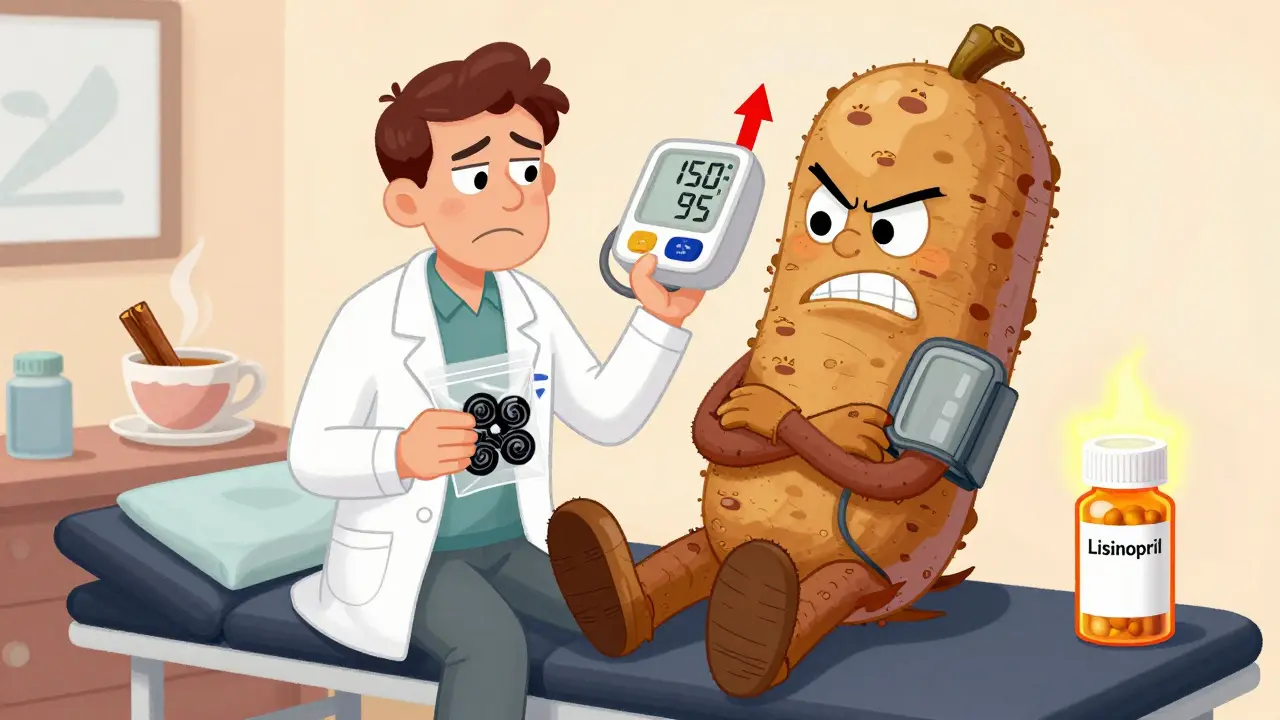
Licorice contains glycyrrhizin, which can raise blood pressure and lower potassium, making blood pressure medications less effective. Avoid black licorice, teas, and supplements if you're on antihypertensive drugs.
Keep Reading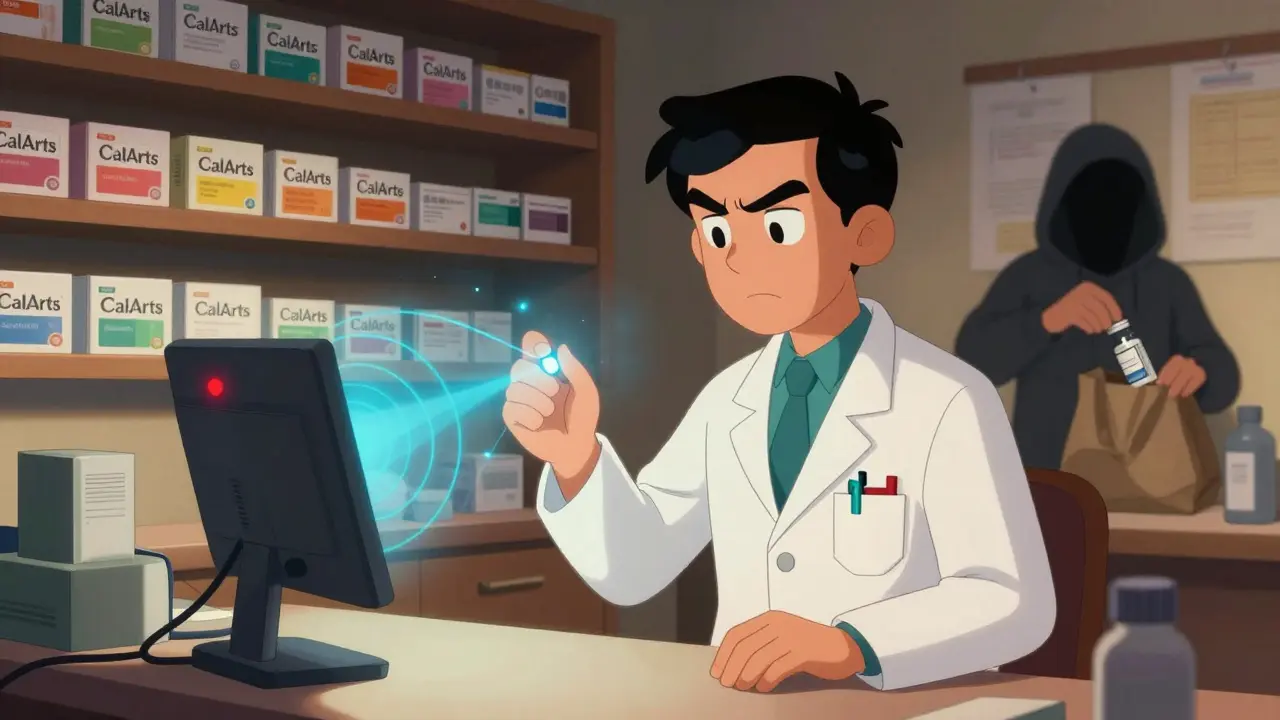
Pharmacists are the last line of defense against counterfeit drugs. Learn how modern training, AI tools, and global initiatives are helping them spot fake medications and protect patients from deadly fakes.
Keep Reading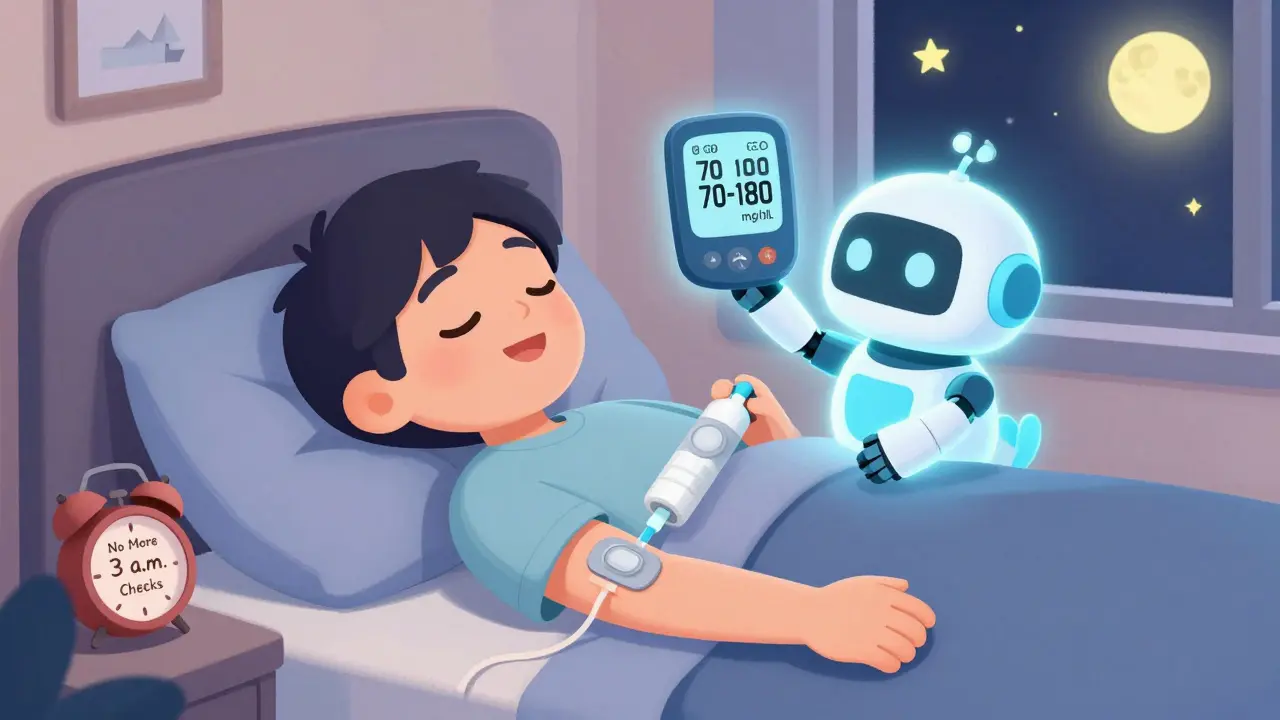
Closed-loop insulin systems automate blood sugar control for type 1 diabetes, improving time-in-range, reducing hypoglycemia, and cutting daily mental load. Real-world data shows significant improvements in sleep, HbA1c, and quality of life - but challenges remain with cost, meal management, and system reliability.
Keep Reading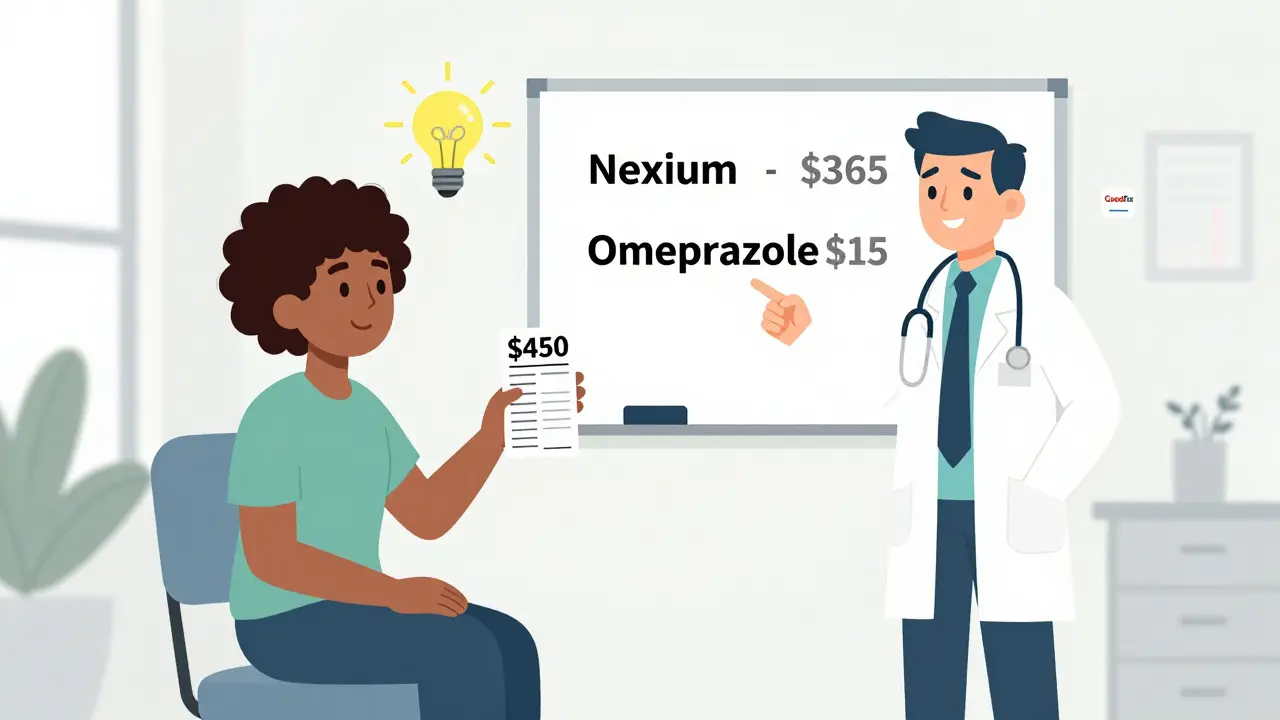
Learn how to ask your doctor for a lower-cost therapeutic alternative to save hundreds on prescription meds each year. Proven strategies, real savings, and what to say to get results.
Keep Reading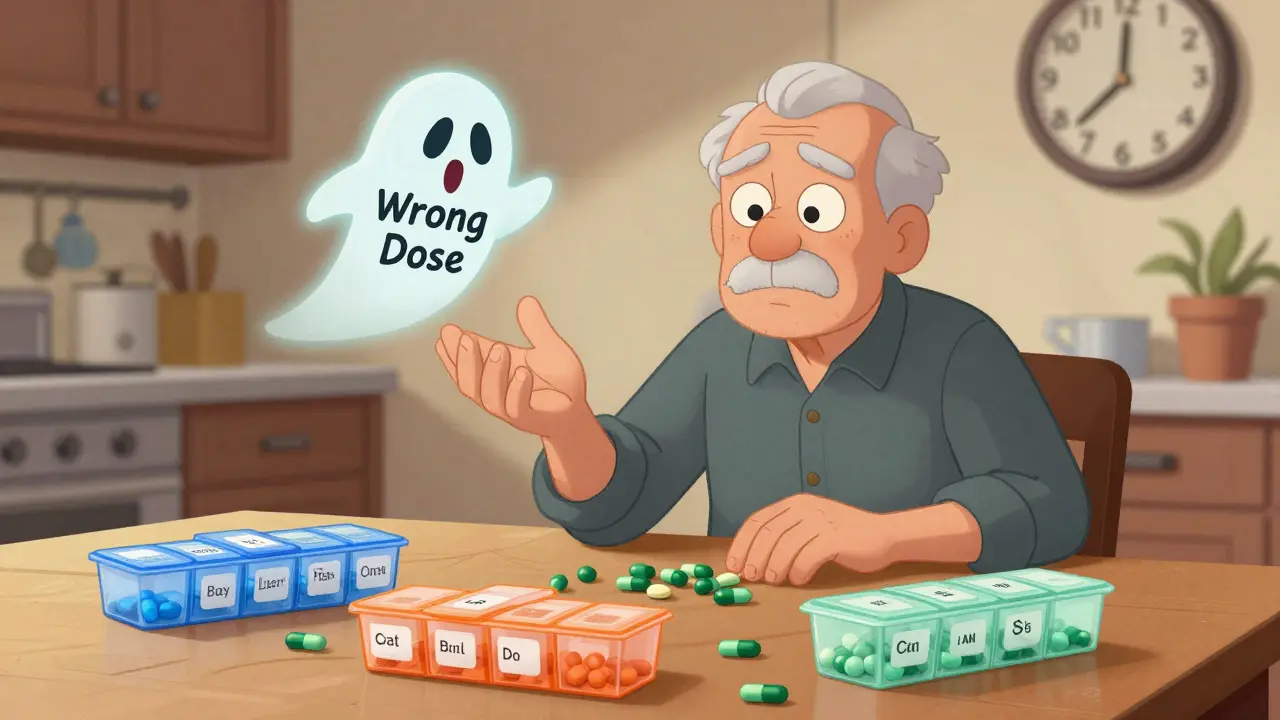
Medication errors harm over 1.5 million Americans yearly and cause thousands of preventable deaths. Learn how hospitals and homes can reduce these mistakes using simple strategies, technology, and better communication.
Keep Reading