
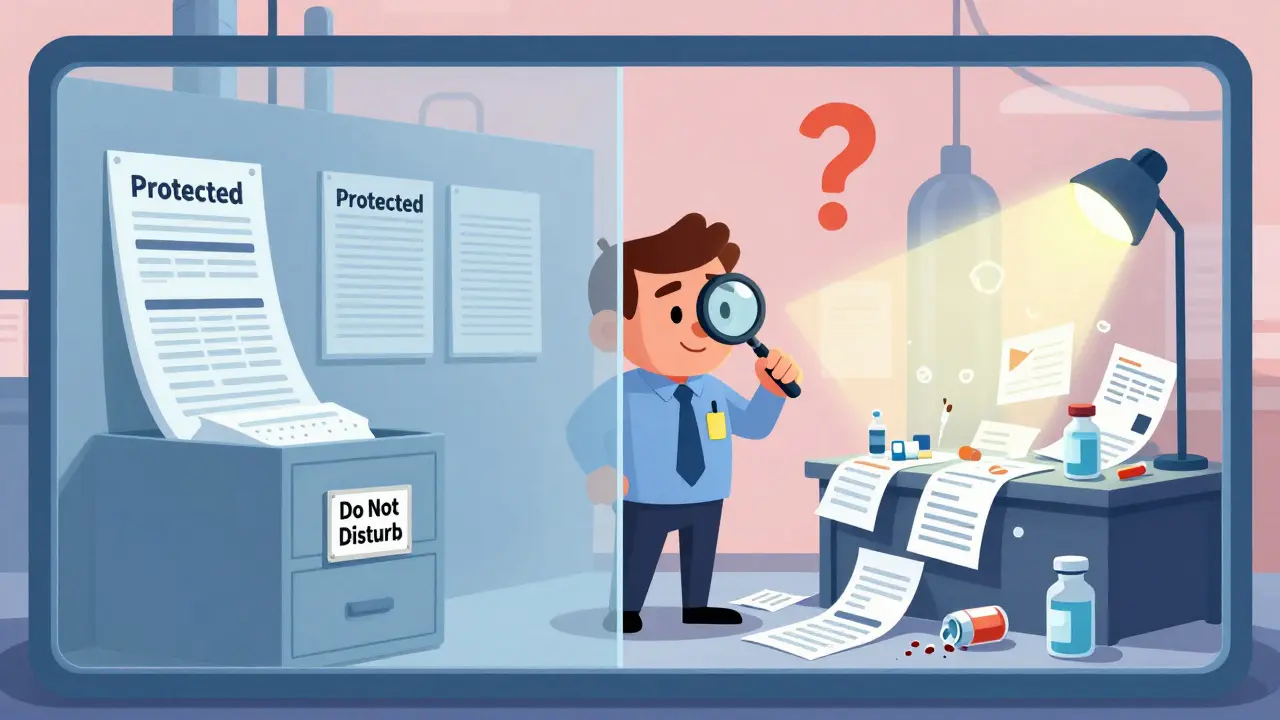
Understand how FDA inspection records work, what manufacturers must disclose, and how to prepare for inspections. Learn the rules on record retention, Form 483 responses, and the shift toward remote audits.
Keep Reading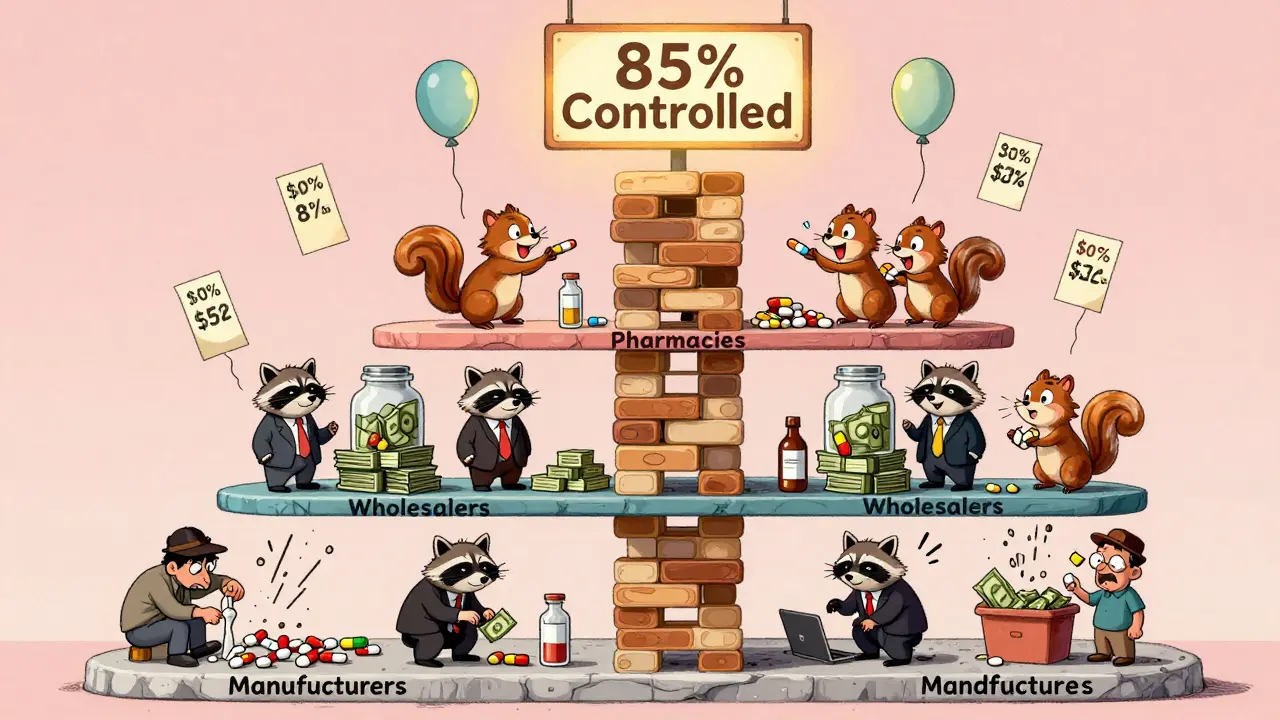
How generic drug wholesalers make more profit than manufacturers, why prices swing wildly, and who really controls the cost of your prescriptions. A clear look at the hidden economics behind everyday medications.
Keep Reading
Evergreening lets pharmaceutical companies delay generic drugs with minor tweaks and patent filings, keeping prices high. Learn how this strategy works, who it hurts, and what’s being done to stop it.
Keep Reading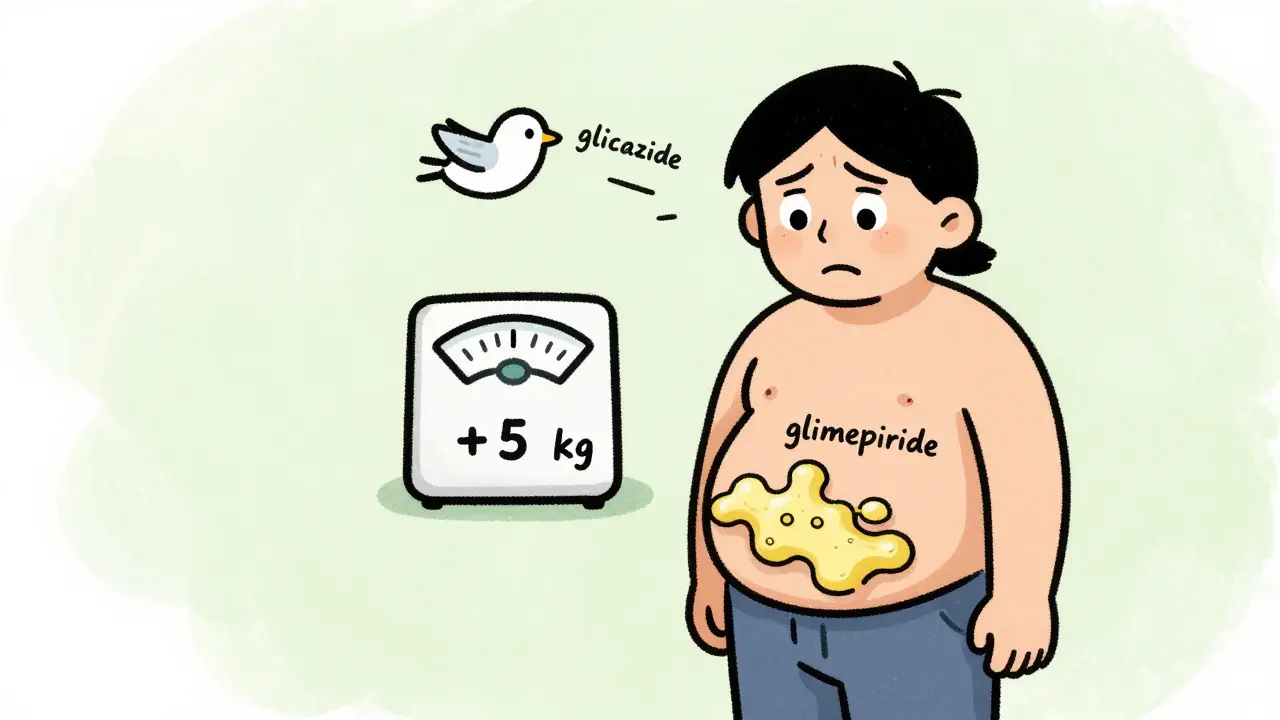
Sulfonylureas help control blood sugar but often cause weight gain, making diabetes harder to manage long-term. Learn which drugs cause the most gain, how to fight it, and what alternatives exist.
Keep Reading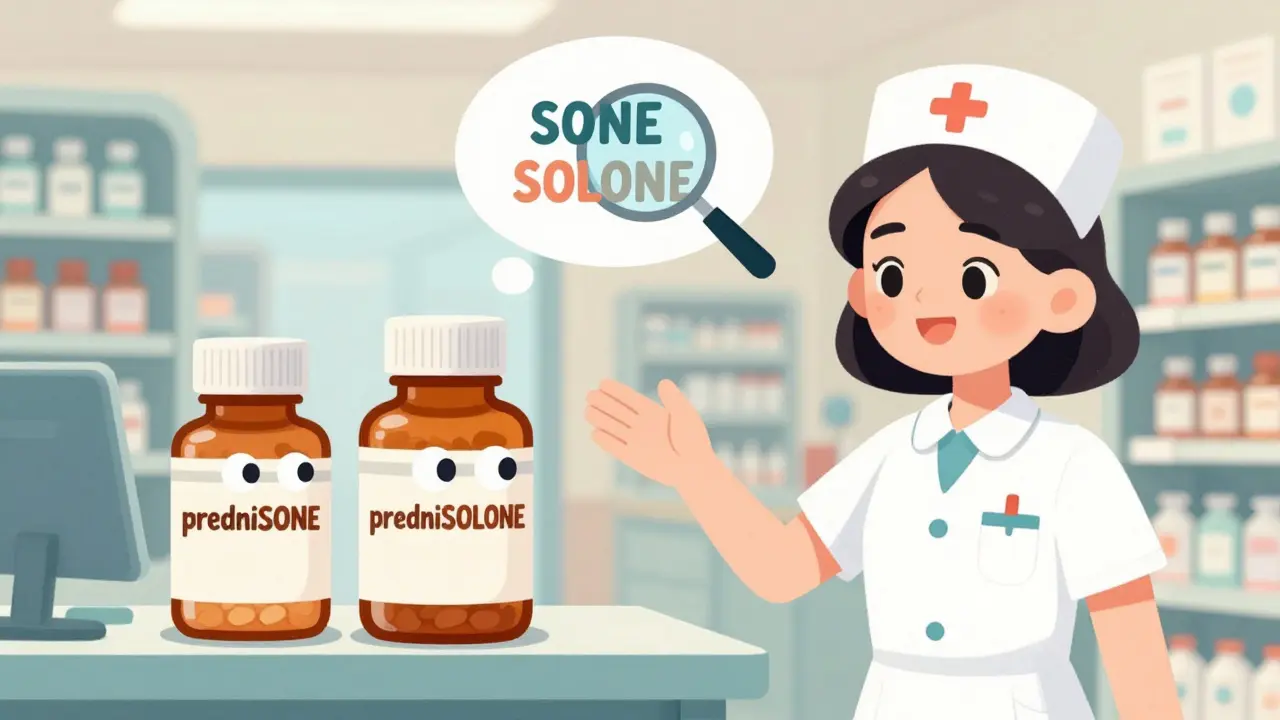
Tall-man lettering uses capital letters to highlight differences between similar drug names, helping prevent dangerous medication errors in hospitals and pharmacies. Learn how it works, where it’s used, and why it still matters.
Keep Reading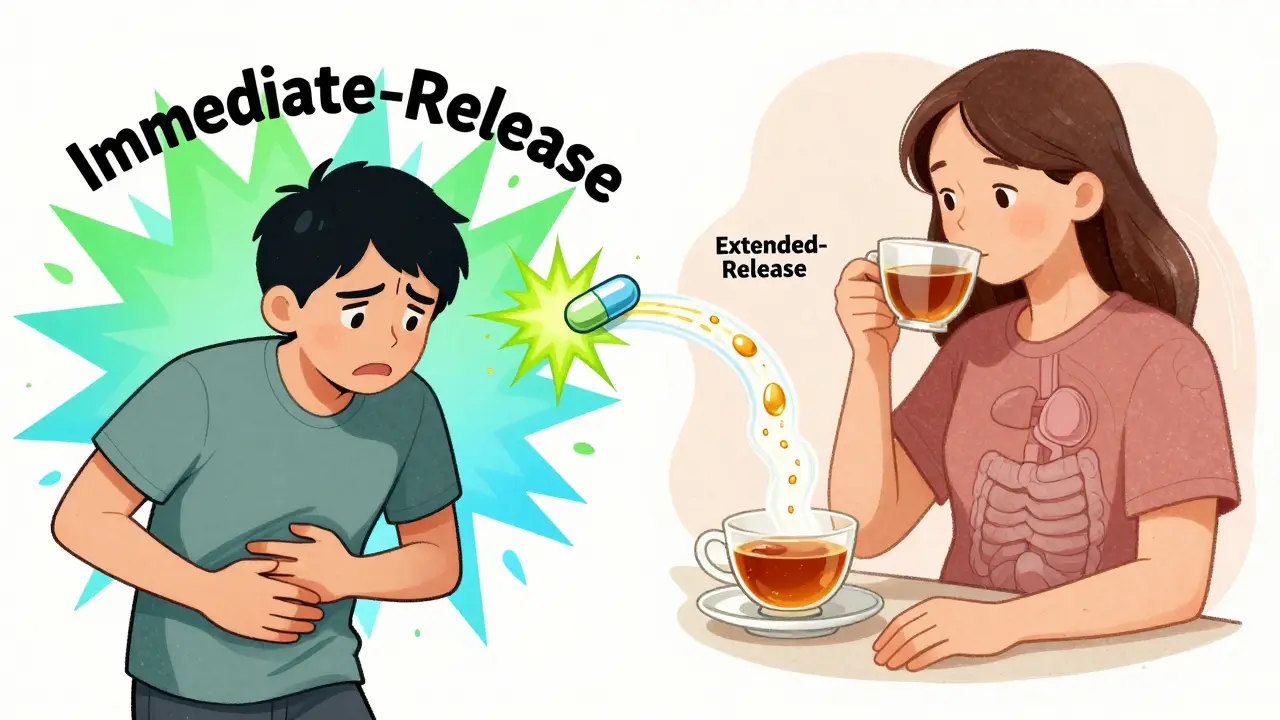
Metformin extended-release reduces stomach side effects like diarrhea and nausea compared to immediate-release, helping more people stick with treatment. Learn how the two forms differ and which one is right for you.
Keep Reading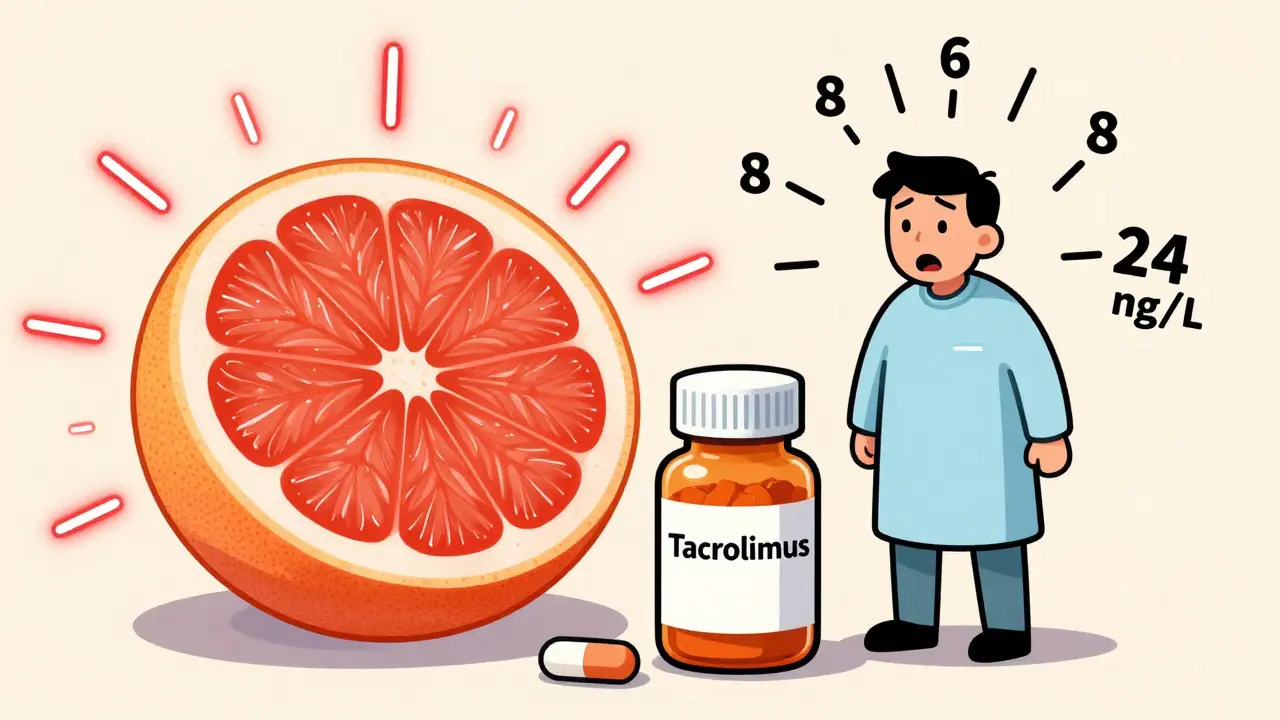
Grapefruit can dangerously increase levels of immunosuppressants like cyclosporine and tacrolimus, raising the risk of kidney damage and infections. Even small amounts can cause toxic effects that last up to 72 hours. Avoid all grapefruit products if you're on these medications.
Keep Reading
Dose titration helps reduce medication side effects by slowly adjusting dosages to find the safest, most effective level. Learn proven strategies for ADHD, depression, heart meds, and more-backed by clinical data and patient experiences.
Keep Reading
Europe led the world in biosimilar adoption with clear regulations and early market entry. The U.S. lagged due to legal barriers and strict rules-but is now accelerating fast. Here’s how the two markets compare in size, regulation, and future growth.
Keep Reading
Paragraph IV certifications let generic drug makers challenge brand-name patents before launch. This legal tool under the Hatch-Waxman Act has saved U.S. consumers over $2 trillion since 1984 and drives most generic drug entries.
Keep Reading