
Counterfeit generics look like real medications but contain no active ingredients or dangerous substitutes. Learn how to spot fake drugs, avoid unsafe online pharmacies, and protect your health from life-threatening fakes.
Keep Reading
Evergreening lets pharmaceutical companies delay generic drugs with minor tweaks and patent filings, keeping prices high. Learn how this strategy works, who it hurts, and what’s being done to stop it.
Keep Reading
Sulfonylureas help control blood sugar but often cause weight gain, making diabetes harder to manage long-term. Learn which drugs cause the most gain, how to fight it, and what alternatives exist.
Keep Reading
Feeling dizzy when you stand up? It could be your medications. Orthostatic hypotension is a common, often preventable side effect of drugs like antipsychotics, diuretics, and opioids. Learn what causes it, which meds are risky, and how to fix it.
Keep Reading
Mixing antidepressants and alcohol can worsen depression, reduce medication effectiveness, and lead to life-threatening reactions. Learn the real risks, how different drugs interact, and what to do if you've been drinking.
Keep Reading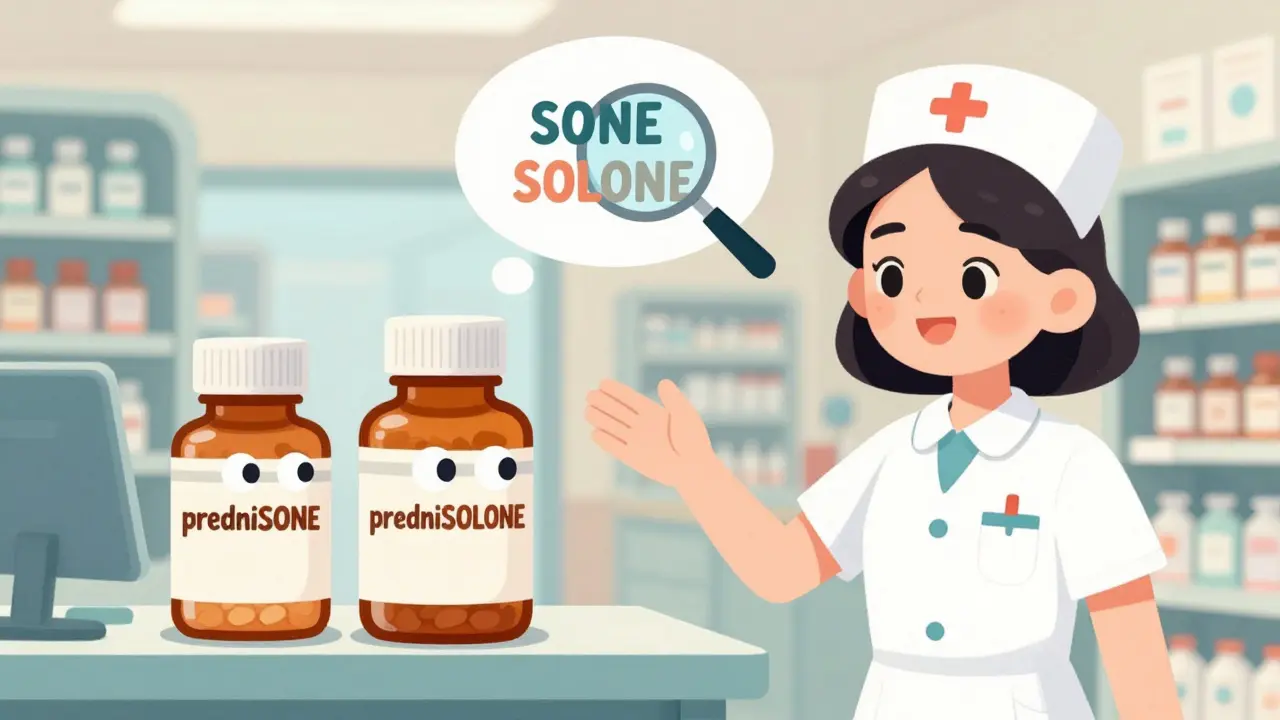
Tall-man lettering uses capital letters to highlight differences between similar drug names, helping prevent dangerous medication errors in hospitals and pharmacies. Learn how it works, where it’s used, and why it still matters.
Keep Reading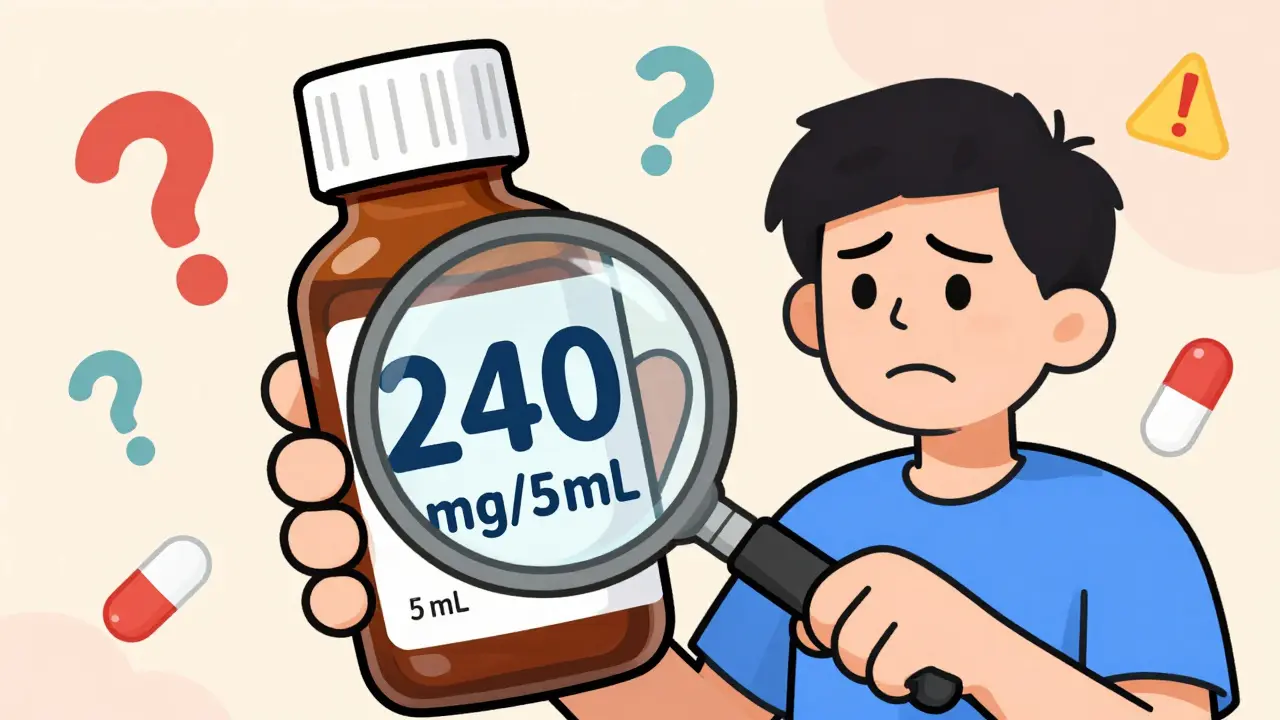
Learn how to read liquid prescription labels correctly to avoid dangerous dosing errors. Understand concentration, milliliter measurements, and how to use dosing tools safely.
Keep Reading
Knowing when to seek a second opinion about medication side effects can prevent serious health risks. Learn the warning signs, how to prepare, and what to expect from a second medical review.
Keep Reading
Medication reminder apps like Medisafe and MyTherapy help people take their pills on time, reducing hospital visits and saving lives. Backed by research, these tools improve adherence better than traditional methods.
Keep Reading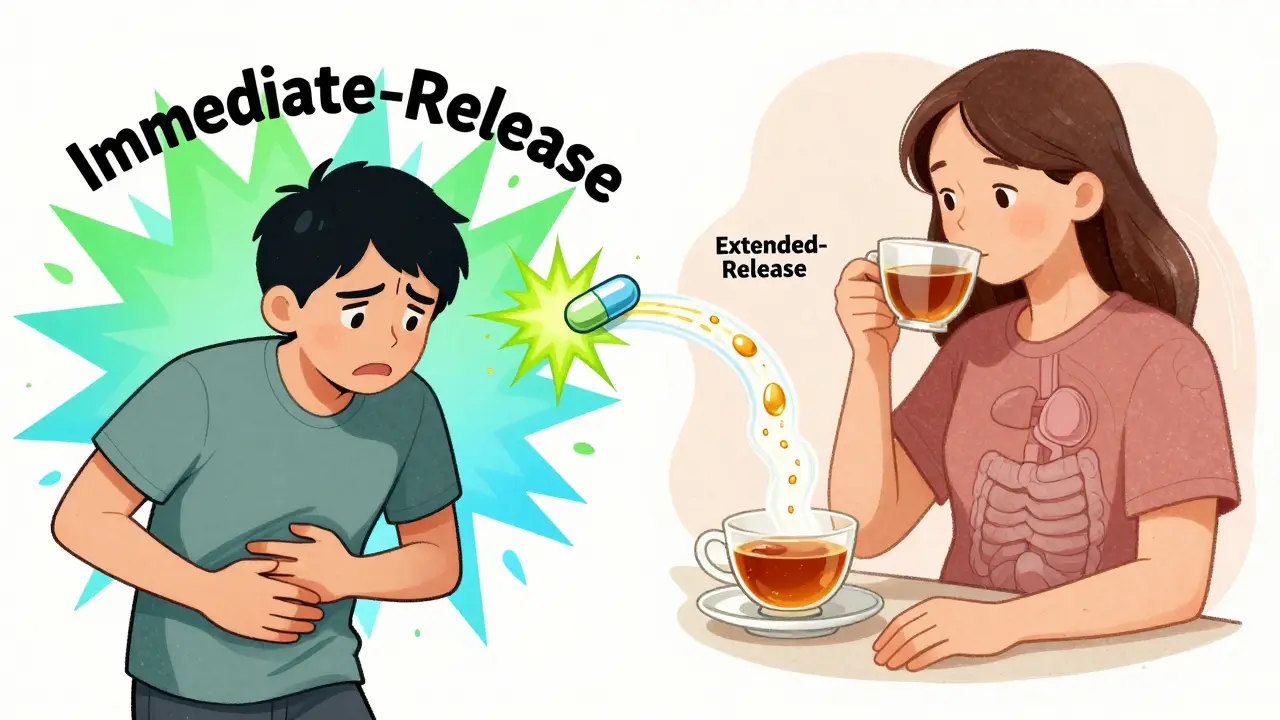
Metformin extended-release reduces stomach side effects like diarrhea and nausea compared to immediate-release, helping more people stick with treatment. Learn how the two forms differ and which one is right for you.
Keep Reading