
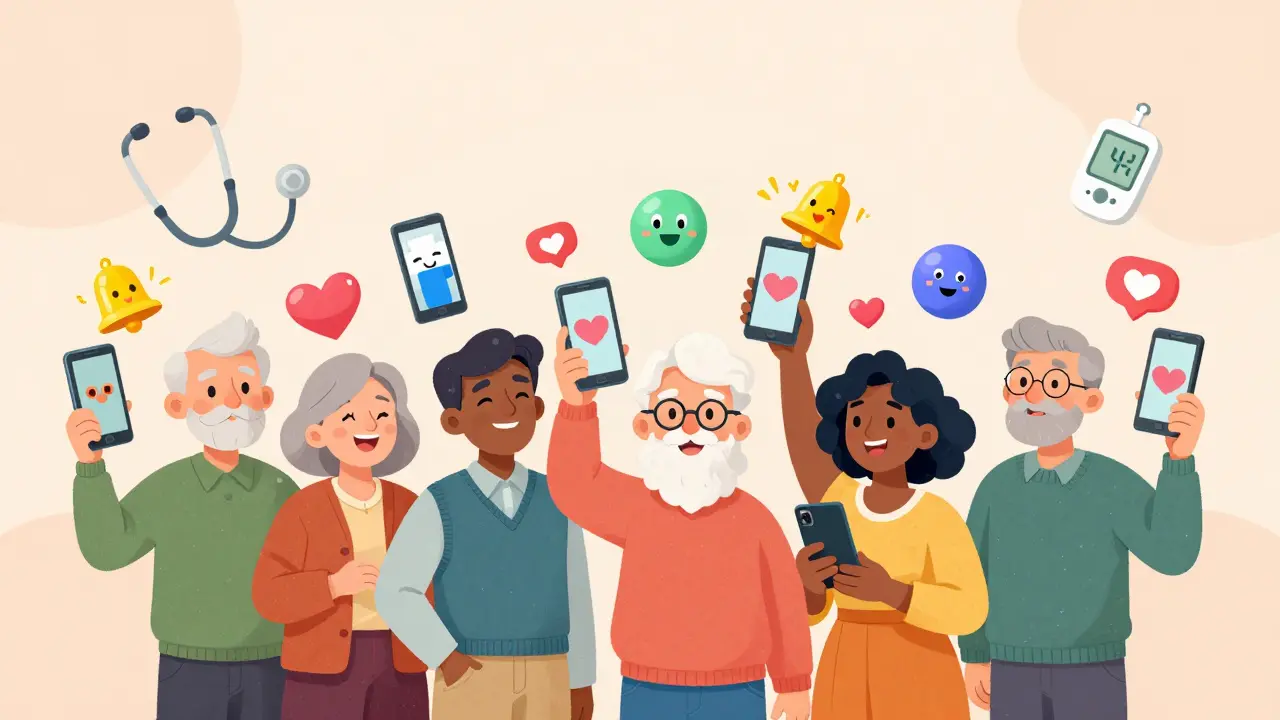
Getting your pills on time isn’t just about remembering - it’s about staying healthy, avoiding hospital visits, and saving money. Yet, nearly half of people with chronic conditions miss doses regularly. That’s not laziness. It’s complexity. Multiple medications, changing schedules, side effects, and busy lives make adherence tough. The good news? Digital tools are making it easier than ever - and the data backs it up.
Why Medication Adherence Matters More Than You Think
Missing a dose of blood pressure medicine? One skipped pill might not seem like much. But over weeks or months, it adds up. The CDC estimates non-adherence costs the U.S. healthcare system between $100 billion and $289 billion a year. That’s not just about hospitals - it’s about strokes prevented, heart attacks avoided, and lives saved. For people with diabetes, hypertension, or heart disease, taking meds as prescribed isn’t optional. It’s survival. The problem isn’t just forgetfulness. Some people don’t understand why they’re taking a drug. Others fear side effects. Some can’t afford them. Digital tools don’t fix all of that - but they tackle the simplest, most fixable part: remembering.How Medication Reminder Apps Actually Work
These aren’t just alarm clocks with pill icons. Modern apps like Medisafe and MyTherapy combine reminders, tracking, education, and even behavioral nudges. They sync across your phone, tablet, and sometimes even smart pill bottles. You enter your meds - name, dose, time, instructions - and the app sends alerts. But here’s what sets the best apart:- Customizable timing: Set reminders for 8 a.m., 2 p.m., and 8 p.m., with different tones for each.
- Visual logs: See a calendar of when you took your meds - no guesswork.
- Refill alerts: Gets you to the pharmacy before you run out.
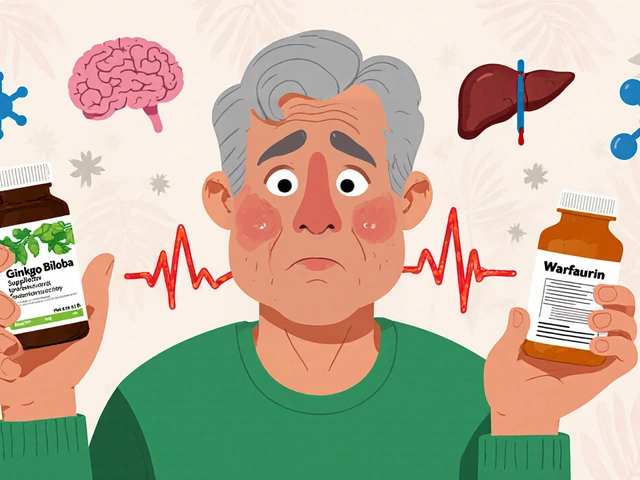
- Drug interaction warnings: Flags if a new prescription might clash with what you’re already taking.
- Reports for doctors: Export your adherence history to share during appointments.
Top Medication Reminder Apps in 2025
Not all apps are created equal. Here are the five most trusted, based on user feedback, clinical studies, and market data:| App Name | Platforms | Special Features | User Rating (2025) | Best For |
|---|---|---|---|---|
| Medisafe | iOS, Android | AI-powered adherence predictions, caregiver alerts, pill identification | 4.7/5 (iOS), 4.5/5 (Android) | Complex regimens, seniors, caregivers |
| MyTherapy | iOS, Android | Symptom and mood tracking, gamified streaks, detailed reports | 4.6/5 (Android), 4.5/5 (iOS) | Mental health, chronic pain, diabetes |
| Round Health | iOS, Android | Pharmacy integration, refill automation, insurance tracking | 4.3/5 (iOS), 4.2/5 (Android) | People on multiple prescriptions |
| CareZone | iOS, Android | Medication storage organizer, family sharing, emergency info | 4.4/5 (iOS), 4.1/5 (Android) | Families managing care for aging parents |
| Mango Health | iOS, Android | Rewards program, pill reminders, educational content | 4.2/5 (iOS), 4.0/5 (Android) | People motivated by incentives |
Condition-Specific Apps: Why One Size Doesn’t Fit All
A general reminder app might help you remember your blood pressure pill. But what if you need to know why it’s important, or what to do if your blood pressure spikes? That’s where condition-specific apps shine. Four of the top 14 apps in the 2025 JMIR review were built for hypertension alone. These apps don’t just remind you - they teach you. They explain how sodium affects your BP, link to diet tips, and even let you log your daily readings. A 2025 pilot study in JMIR Cardiology found that a gamified app for heart disease patients improved self-confidence in managing meds by 31% - just by using storytelling and progress badges. Apps like MedApp-CHD target coronary heart disease with tailored content. If you’re managing diabetes, look for apps that sync with glucose meters. If you’re on anticoagulants, find one that tracks INR levels. Generic apps are a start. Specialized ones? They’re game-changers.
What the Research Says: Do These Apps Really Work?
Yes - but not always. A 2020 meta-analysis in the Journal of Managed Care & Specialty Pharmacy found medication reminder apps had a Cohen’s d effect size of 0.40 for improving adherence. That’s better than motivational interviews, educational pamphlets, or even counseling. In plain terms: they work better than most human-led interventions. But here’s the catch: effectiveness depends on personalization. A 2023 NIHR analysis found that apps that adapted to your beliefs, mood, age, and disease length performed better. An app that just says, “Take your pill,” won’t help someone who thinks meds are “poison.” But one that says, “You said last week you were worried about dizziness - here’s what to do,”? That sticks. Also, not all users benefit equally. Older adults and those with low digital literacy often struggle with setup. But here’s the surprise: a 2023 NIH study found that even in medically underserved communities, attrition was low. With just 15 minutes of training, 87% of users could set up the app alone. The real barrier isn’t age - it’s poor design.Biggest Problems and How to Avoid Them
Apps aren’t magic. They have flaws. Here’s what users complain about - and how to fix it:- Battery drain: Some apps run constantly in the background. Use Android’s battery optimization or iOS’s background app refresh settings to limit this.
- Notification failures: If your phone is on silent or Do Not Disturb, you’ll miss alerts. Set a custom ringtone and allow notifications even in Do Not Disturb mode.
- Too many features: If you’re overwhelmed, stick to the basics: reminders and logs. Ignore the gamification or social sharing if it’s not helping.
- Not syncing with your pharmacy: Some apps can’t talk to your pharmacy system. If refill alerts aren’t working, manually note your prescription numbers and set calendar reminders.
What’s Next? AI, Smart Bottles, and Real-World Integration
The next wave is smarter. Medisafe’s 2025 update uses AI to predict when you’re likely to miss a dose - and nudges you earlier. Smart pill bottles with sensors are starting to appear. When you open the bottle, it logs the dose and sends a sync to your app. By 2027, 35% of reminder apps are expected to integrate with these devices. Health systems are catching on too. Nearly half of U.S. hospitals now use digital adherence tools as part of care plans. Some insurance companies even offer discounts for consistent app use. The goal? Shift from paying for sickness to paying for health. But sustainability is a concern. Seven out of 14 apps studied in 2025 were no longer updated. Stick with apps from established companies - Medisafe, MyTherapy, CareZone - that have clear business models and clinical backing.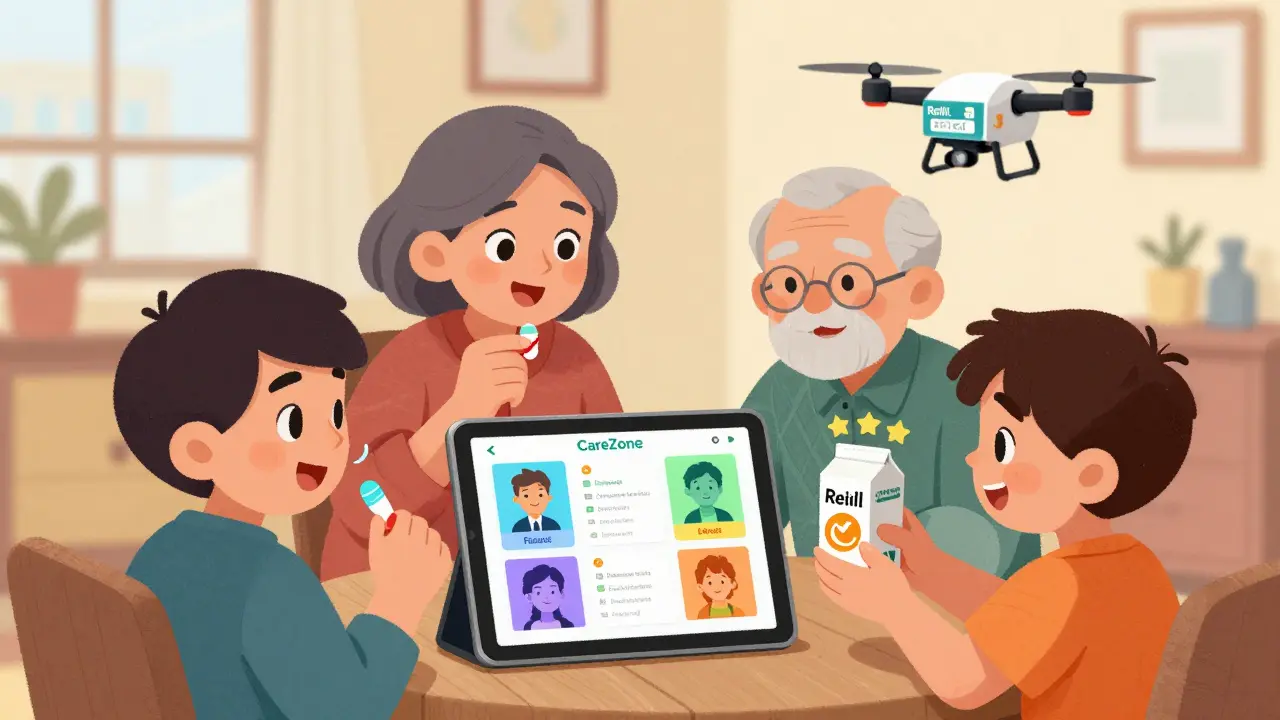
How to Get Started Today
You don’t need to be tech-savvy. Here’s how to begin:- Write down every medication you take - name, dose, time, reason.
- Download one app - start with Medisafe or MyTherapy.
- Enter your meds. Set reminders for each time you need to take them.
- Turn on notifications and test them. Make sure you hear the alert.
- Use the log for a week. Don’t worry about being perfect.
- Share your report with your doctor next visit.
Frequently Asked Questions
Do medication reminder apps really improve adherence?
Yes - when used consistently. Studies show users are about twice as likely to take their meds as prescribed compared to those who don’t use apps. The effect is stronger than educational pamphlets or counseling. Apps like Medisafe and MyTherapy have been proven in clinical trials to improve adherence by 30-43% in real-world settings.
Are these apps safe and private?
Reputable apps like Medisafe and MyTherapy follow HIPAA standards. They use AES-256 encryption for stored data and TLS 1.2+ for data transfer. They don’t sell your health data. Always check the app’s privacy policy before signing up. Avoid apps that ask for unnecessary permissions like contacts or location.
Can older adults use these apps?
Absolutely. A 2023 NIH study found that adults over 65 in underserved communities successfully used Medisafe after just 15 minutes of training. The key is simplicity: large buttons, clear text, and voice alerts. Apps with caregiver features - like CareZone - let family members help with setup and reminders.
What if I forget to take my pill and the app reminds me later?
Most apps let you mark a dose as “taken” even if it’s late. Don’t double up unless your doctor says so. The goal isn’t perfection - it’s consistency. Logging late doses helps you and your doctor spot patterns. If you’re consistently missing doses at certain times, adjust the reminder or talk to your provider about simplifying your regimen.
Do I need to pay for these apps?
Most core features are free. Medisafe, MyTherapy, and CareZone offer free versions with reminders, logs, and refill alerts. Premium features - like advanced analytics, caregiver dashboards, or insurance tracking - usually cost $5-$10/month. But if you’re on Medicare or Medicaid, check if your plan covers digital adherence tools - some do.
Can these apps replace my pharmacist?
No. Apps are tools - not replacements. Your pharmacist still knows your full medication history, can spot dangerous interactions, and can help you switch to cheaper options. Use the app to stay on track, but keep regular check-ins with your pharmacist. They’re your best ally in safe medication use.
9 Comments
So we’re paying $289 billion a year because people forget to take pills? That’s not a healthcare crisis-that’s a societal failure wrapped in a pill bottle. We’ve got AI that can predict stock markets but can’t remind grandma to take her blood pressure med without a $10/month app? The real innovation isn’t the app-it’s the fact that we’ve outsourced basic human care to smartphones. 🤡
As someone who helps elderly patients in rural India manage their meds, I can tell you-these apps are life-changing, but only if they’re designed with real people in mind. Many of my patients don’t have smartphones, or they’re scared of tech. But when we use simple voice-activated reminders on basic Android phones, with big buttons and local language prompts? They start taking meds on time. It’s not about fancy AI-it’s about dignity, clarity, and connection. Apps like Medisafe are great, but they’re useless if they don’t speak your language-literally and emotionally. Let’s build tools that meet people where they are, not where tech thinks they should be.
My dad used CareZone. He set it up himself after I showed him once. Now he sends me screenshots of his pill log every Sunday. No drama. No yelling. Just… consistency. I didn’t think tech could do that for family care. Turns out, it just needs to be dumb enough to work.
apps are cool but what if u just forget ur phone at home 😭 or the battery dies or u dont have wifi or ur grandkids steal ur phone to play games 🤦♀️ sometimes the old school pill organizer with the alarm clock still wins 🙃
I’m from a small town. My mom uses MyTherapy. She doesn’t know what ‘gamified streaks’ means. She just likes the little checkmarks. Says it makes her feel like she’s winning. That’s all that matters.
Stop overcomplicating this. Set a phone alarm. Use a pill box. Talk to your pharmacist. Done. Apps are nice, but they’re not magic. If you can’t manage your meds with basic tools, the problem isn’t tech-it’s support.
Okay, but let’s be real-how many of these apps are just glorified alarm clocks with a side of corporate wellness propaganda? I’ve seen people spend 20 minutes setting up Medisafe, then delete it after one missed dose because they felt guilty. The app doesn’t fix the underlying issue: we treat chronic illness like a personal failure instead of a systemic one. And now we’re selling guilt as a subscription service? ‘Earn 500 points for taking your beta-blocker!’ What’s next? A leaderboard for who has the best HbA1c? This isn’t healthcare. It’s a fitness tracker for the medically oppressed.
Let’s not romanticize these apps. The data is cherry-picked. The ‘43% adherence boost’? That’s from a small, heavily supported cohort. Real-world attrition rates for these apps hover above 60% within six months. And don’t get me started on the ‘AI predictions’-they’re just pattern-matching based on user input that’s often inaccurate. We’re outsourcing responsibility to algorithms while ignoring the real barriers: poverty, stigma, and lack of access to care. This isn’t innovation. It’s digital band-aid capitalism.
OMG I just tried Mango Health and got a free coffee gift card for taking my meds for 7 days 😍 I cried. Like, actually cried. This is the first time I felt like my health mattered to someone. Thank you for making me feel seen 💖