
When you pick up a prescription, the pill in your hand might not be the brand you asked for—but that doesn’t mean it’s not right for you. A generic pharmacy inventory, the collection of FDA-approved drug alternatives that work just like brand-name versions. Also known as therapeutic equivalents, it’s what keeps prescription costs down for millions of people every day. Not all pharmacies carry the same generics, and not all generics are created equal. The difference isn’t in how they work—it’s in how they’re approved, tracked, and swapped on the shelf.
The system that makes this possible is the FDA Orange Book, the official list that rates which generic drugs are safe to substitute for brand-name versions. Each drug gets a TE code, a simple letter-number combo that tells pharmacists exactly which generics can be swapped without changing your treatment. If a drug has a code like AB1, you can trust it’s interchangeable. If it’s BX, it’s not. This isn’t guesswork—it’s science, backed by bioequivalence studies that prove the generic delivers the same amount of medicine into your bloodstream as the brand. But here’s the catch: just because a generic exists doesn’t mean your pharmacy stocks it. Inventory depends on supply chains, pricing deals, and even which manufacturer the insurer favors that month.
Some drugs have authorized generics, the exact same pills as the brand, just sold under a different label by the original maker. These are rare. Most generics come from separate companies that reverse-engineer the formula. That’s why two different bottles of generic metformin might look different, taste different, or even cause slightly different side effects in rare cases. It’s not a flaw—it’s chemistry. Your body absorbs the active ingredient the same way, but fillers and coatings vary. That’s why some people stick with one brand of generic, even when it costs more.
What you’ll find in this collection are real-world stories about how these systems affect your care. You’ll learn why your pharmacist switched your blood pressure med, why some drugs still cost hundreds even when generics exist, and how a simple TE code could save you hundreds a year. We’ll break down why ginkgo biloba might mess with your blood thinner, how misreading QD vs QID leads to hospital visits, and why your diabetes drug might be swapped without you knowing. These aren’t abstract rules—they’re decisions happening in your local pharmacy right now, with real consequences for your wallet and your health.
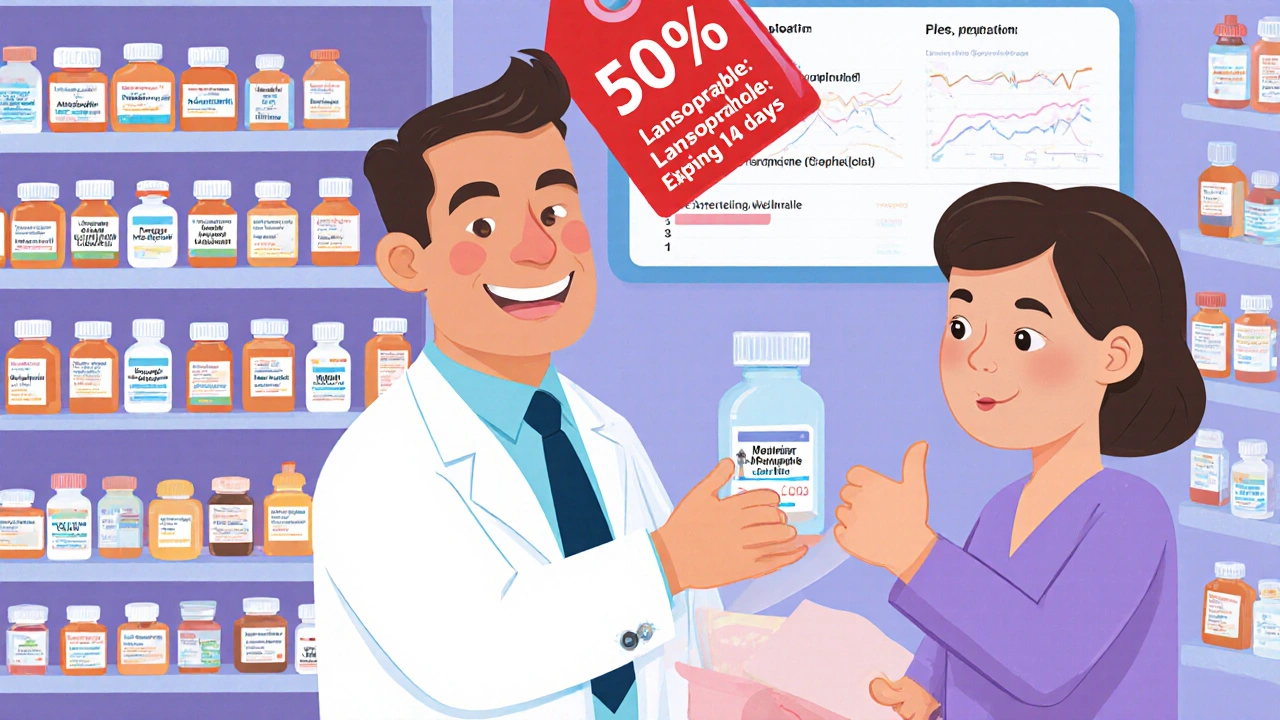
Learn how to manage generic drug inventory in pharmacies with proven strategies that cut costs, prevent stockouts, and boost profits. Includes real-world formulas, software tips, and common pitfalls.
Keep Reading