
When you take a medication, your body doesn’t always react the way the doctor hopes. These unexpected reactions are called drug side effects, unintended physical or mental responses to a medication that aren’t the intended therapeutic outcome. Also known as adverse drug reactions, they range from mild nausea or drowsiness to life-threatening rashes or heart rhythm changes. Most people assume any weird feeling after taking a pill is an allergy—but that’s not true. In fact, drug side effects are far more common than true allergies. A study in the Journal of the American Medical Association found that over 70% of people who think they’re allergic to penicillin aren’t—they just had a side effect like a stomachache or headache. Mislabeling a side effect as an allergy can limit your treatment options and even lead to worse outcomes.
Understanding the difference between a side effect, a predictable, non-immune response to a drug and a drug allergy, an immune system overreaction that can cause hives, swelling, or anaphylaxis is critical. Side effects like dry mouth, dizziness, or fatigue often fade as your body adjusts. Allergies get worse with each exposure. If you break out in hives after taking amoxicillin, that’s not a side effect—it’s a red flag. And if you’ve been told you’re allergic to a drug but never had a real allergic reaction, you might be avoiding a medicine you could safely use. Pharmacists and doctors use tools like the Naranjo scale to help sort out what’s really happening.
Some drugs carry higher risks than others. Insulin, blood thinners like warfarin, and chemotherapy drugs are known for serious side effects that require close monitoring. Even common ones like antidepressants or antibiotics can cause unexpected reactions, especially in older adults or people taking multiple meds. That’s why tracking your symptoms matters. Write down what you feel, when it started, and how long it lasts. Was it right after your first dose? Did it get worse when you added a new pill? This info helps your doctor decide if it’s a side effect, an interaction, or something else entirely. And if you’re on a drug like azithromycin or Ginkgo Biloba, you need to know about potential heart rhythm changes or bleeding risks—not just because the label says so, but because real people have been hurt by skipping these checks.
What you’ll find below isn’t just a list of symptoms. It’s a practical guide to recognizing what’s normal, what’s dangerous, and what you can do about it. From how to tell if your cough is from a drug or something else, to why some people react to insulin but not others, these posts give you the real-world details you won’t get from a pamphlet. You’ll learn how to spot the warning signs before they become emergencies, how to talk to your pharmacist about reactions, and why the same drug can cause different problems for different people. No fluff. No guesswork. Just what you need to stay safe while taking what you need.
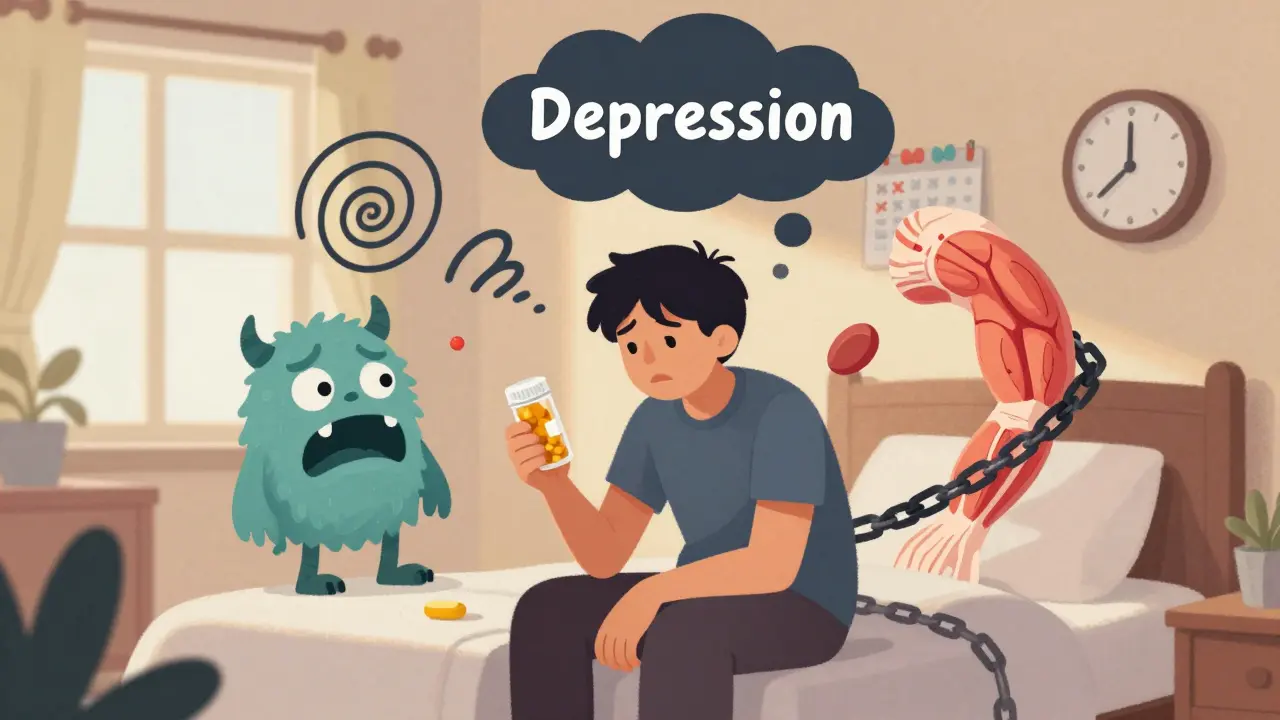
Knowing when to seek a second opinion about medication side effects can prevent serious health risks. Learn the warning signs, how to prepare, and what to expect from a second medical review.
Keep Reading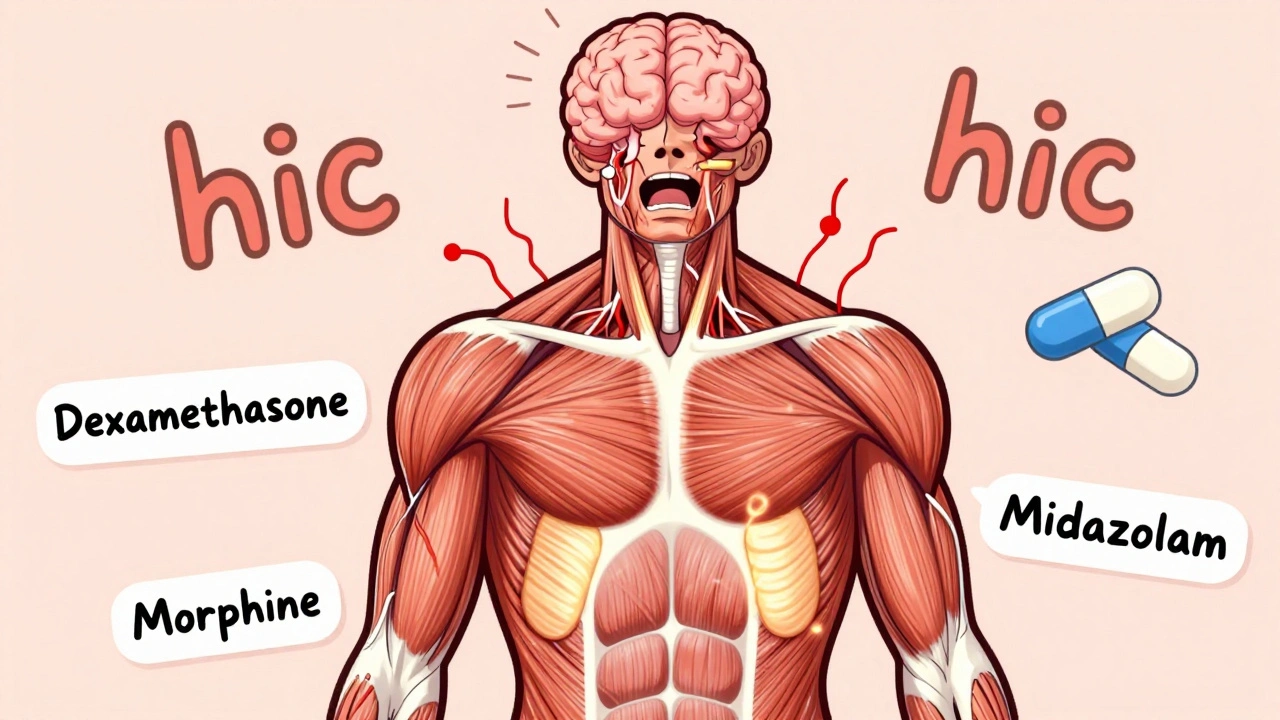
Medications like dexamethasone and opioids can trigger persistent hiccups. Learn the most common causes, proven remedies like sugar and baclofen, and how to prevent them before they start.
Keep Reading