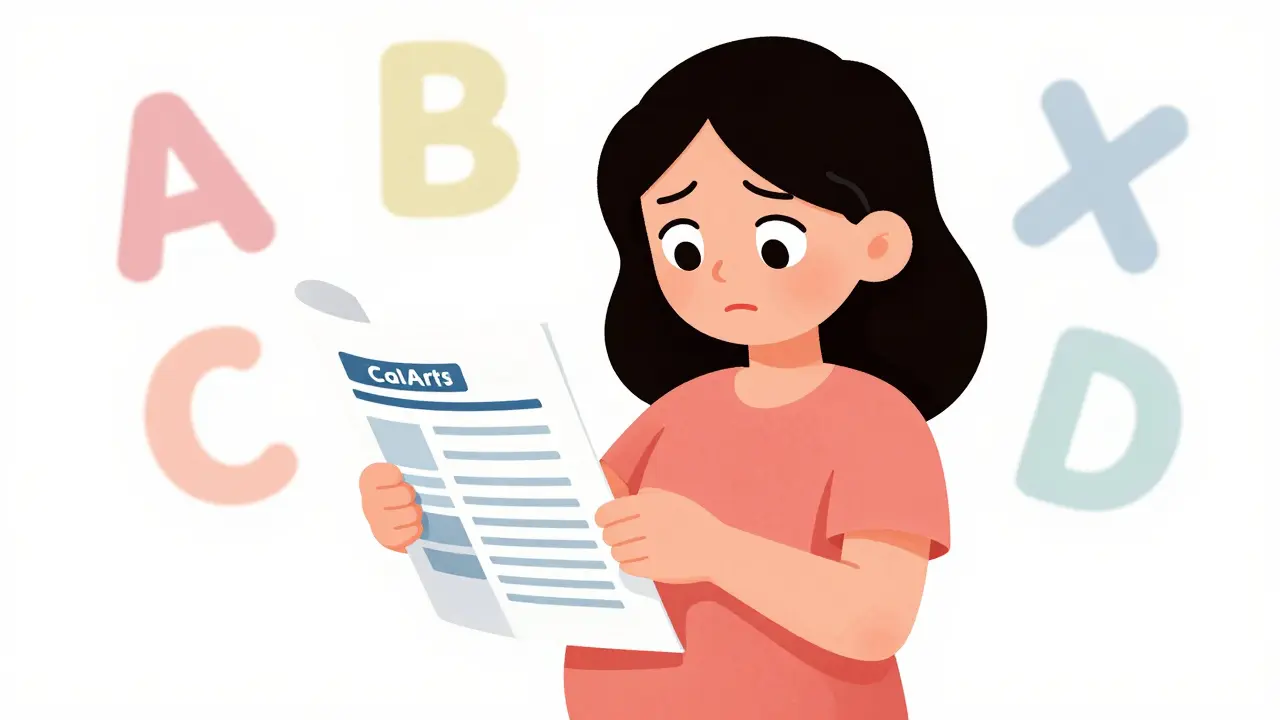
If you've ever looked at a medication insert and seen a random letter like "Category C," you're looking at a ghost from the past. For decades, the medical world relied on a simple A-X grading system to tell doctors if a drug was safe during pregnancy. But there was a big problem: it was too simple. Doctors and patients often treated these letters like a school grade, which led to a lot of confusion and, in some cases, unnecessary fear or missed risks. To fix this, the FDA is the U.S. Food and Drug Administration, the federal agency responsible for protecting public health by ensuring the safety and efficacy of drugs introduced a completely new way of labeling medications.
Today, we use the Pregnancy and Lactation Labeling Rule (or PLLR) is a regulatory framework implemented in 2015 that replaces letter categories with detailed narrative descriptions of risks. . Instead of a single letter, you'll now find a detailed story about how a drug actually affects a developing baby or a breastfeeding infant. While this gives us way more accurate information, it also means you have to read more than just one letter. Here is how to navigate these labels without feeling overwhelmed.
The Big Shift: Why Letters Went Away
The old system (Categories A, B, C, D, and X) was created in 1979. While it seemed helpful, it was misleading. For example, Category C was a "catch-all" for about 70% of all drugs, meaning it didn't actually tell a doctor much about the specific risk. Many people assumed Category B was "safe" and Category C was "dangerous," which isn't how science works. Risks are rarely that black and white.
The pregnancy category system was replaced because the FDA realized that a narrative-a written explanation-is much safer. Now, labels provide the "background risk." This is a crucial piece of context: about 3% of all pregnancies result in major birth defects and 10-20% end in miscarriage, regardless of whether the mother takes any medication. By including these numbers, the new labels help you understand if a drug actually increases that risk or if the risk is just the normal baseline for any pregnancy.
Decoding Section 8: Where to Look
When you open a professional drug label (the prescribing information), you want to head straight to Section 8 is the specific part of a drug's FDA-approved labeling that covers use in specific populations, including pregnancy and lactation . This section is now broken down into three mandatory parts. If you are looking for safety data, these are the three subsections you need to know:
- 8.1 Pregnancy: This focuses on the fetus. It tells you if the drug causes birth defects or if there is a risk of miscarriage.
- 8.2 Lactation: This focuses on the baby. It explains if the drug passes into breast milk and if it could affect a nursing infant.
- 8.3 Females and Males of Reproductive Potential: This covers things like whether you need to take a pregnancy test before starting the drug or which contraceptives are recommended.
Inside each of these subsections, the FDA requires the same three headings: Risk Summary, Clinical Considerations, and Data. Think of the Risk Summary as the "bottom line," Clinical Considerations as the "doctor's advice," and Data as the "evidence."
| Feature | Old Letter System (Pre-2015) | New PLLR System (Current) |
|---|---|---|
| Format | Single letter (A, B, C, D, X) | Detailed narrative text |
| Context | None; just a grade | Includes background birth defect rates |
| Specificity | General risk level | Specifics on gestational timing (e.g., 1st trimester) |
| Lactation Info | Often vague or separate | Quantified (e.g., % of maternal dose) |
| Data Source | Static summaries | References to active Pregnancy Registries |
How to Read the Lactation Label (Section 8.2)
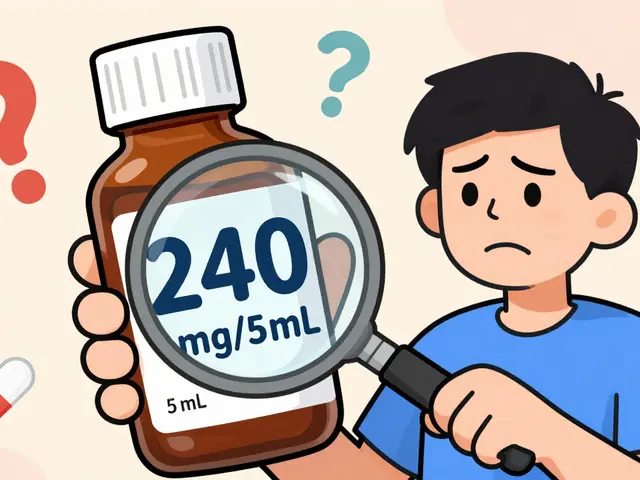
Reading the lactation section is a bit different because it's more about chemistry and dosage. You aren't just looking for "safe" or "unsafe." You are looking for how much of the drug actually reaches the baby. In the Risk Summary, look for a phrase like "infant exposure as a percentage of maternal dose."
For example, if a label says the exposure is "less than 10% of the maternal dose," it means only a tiny fraction of the medicine you take ends up in your breast milk. However, you also need to check the Clinical Considerations. This part will tell you if that 10% is actually dangerous. Some drugs are fine even if they pass into milk, while others can be harmful even in tiny amounts.
If you're breastfeeding, a good rule of thumb is to check if the drug has a short half-life (meaning it leaves your body quickly) or if it's a large molecule that the baby's gut can't even absorb. This is why the narrative format is so much better-it tells you *why* something is a risk, not just *that* it is one.
The Role of Pregnancy Registries
One of the best additions to the new labeling is the requirement to mention Pregnancy Exposure Registries are databases that track the outcomes of pregnancies where the mother took a specific medication, providing real-world evidence of safety . Because it's often unethical to do a controlled clinical trial on pregnant women, registries are our best source of truth. They follow thousands of women who chose to take a drug and record what happened to the baby.
As of 2023, there are about 47 of these registries. If you see a mention of a registry in the Data section of a label, it means there is an ongoing effort to track that drug's safety. If you are taking a high-risk medication, your doctor might suggest you join one of these registries to help other parents in the future.
Common Pitfalls and Pro Tips
Even with the better labels, there are a few things that can trip you up. First is the difference between relative risk and absolute risk. If a label says a drug "doubles the risk" of a defect, that sounds terrifying. But if the background risk is 1% and the drug makes it 2%, the absolute increase is only 1%. Always ask your healthcare provider for the absolute risk number.
Second, pay attention to gestational timing. A drug might be perfectly safe in the third trimester but dangerous in the first. The new labels are much more specific about these windows, so don't just skim the summary-look for mentions of specific weeks or trimesters.
If you find the labels too dense (which they are-they've grown by hundreds of words per drug), don't try to be a hero. Use trusted third-party resources. Experts often recommend MotherToBaby is a non-profit organization that provides evidence-based information on medications and supplements during pregnancy and breastfeeding or the TERIS database. These services take the complex FDA narratives and translate them into plain English for parents and clinicians.
What happens if my medicine still has a letter category (A, B, C, D, X)?
While the FDA phased out the letters by 2020, some older generic drugs or international versions might still show them. If you see a letter, remember that it's an oversimplified grade. You should ask your pharmacist for the updated narrative labeling or check the FDA's online database for the current Risk Summary.
Is a "Risk Summary" the same as a guarantee of safety?
No. The Risk Summary provides the best available evidence, but it doesn't guarantee 100% safety. Every medication has a benefit-risk trade-off. The goal is to ensure that the benefit of treating the mother's condition outweighs the potential risk to the fetus or infant.
Where can I find the full professional label for my drug?
You can find the full prescribing information on the manufacturer's website or via the FDA's "Drugs@FDA" portal. If you have the physical package, look for the "Prescribing Information" insert, then flip to Section 8.
What does "Clinical Considerations" actually mean?
This is the actionable part of the label. It tells your doctor how to manage your care-for example, whether you need extra ultrasounds to check fetal growth or if you should switch to a different dose during the second trimester.
Why is the lactation section so focused on percentages?
Percentages (like "less than 10% of maternal dose") help quantify the amount of drug that crosses into the milk. This allows doctors to estimate the dose the baby is receiving and decide if it's low enough to be considered safe based on the drug's known toxicity.
Next Steps for Patients and Caregivers
If you are currently pregnant or breastfeeding and concerned about a medication, start by documenting every drug and supplement you take. When you meet with your doctor, don't just ask "Is this safe?" Instead, ask "What is the absolute risk of this drug compared to the background risk?" and "Are there any pregnancy registries for this medication that we should look at?"
If you're a healthcare provider feeling overwhelmed by the narrative format, consider using the FDA's "PLLR Navigator" app or seeking a few hours of continuing education on the new standards. The transition from letters to narratives is a shift from "quick answers" to "informed decisions," and while it takes longer, it's significantly safer for the patient.