
When a blood vessel bursts on the surface of the brain, it spills blood into the space between the brain and the thin tissues covering it—that’s a subarachnoid hemorrhage, a type of stroke caused by bleeding into the subarachnoid space. Also known as a brain bleed, this isn’t a slow leak—it’s sudden, severe, and often deadly if not treated within minutes. The most common cause? A ruptured aneurysm, a weak, bulging spot in a brain artery that can burst under pressure. Think of it like a balloon stretched too thin. Most people don’t know they have one until it’s too late.
Not all subarachnoid hemorrhages come from aneurysms. Trauma, like a bad fall or car crash, can tear blood vessels too. High blood pressure, smoking, heavy alcohol use, and certain genetic conditions raise your risk. Women are more likely than men to have aneurysms, and people over 50 are at higher risk. But it can strike anyone—even young, healthy people. That’s why the warning signs can’t be ignored: a sudden, unbearable headache—often called the "worst headache of your life"—is the #1 red flag. Other signs include nausea, vomiting, stiff neck, blurred vision, or losing consciousness. If someone has this, don’t wait. Call emergency services immediately.
Doctors use CT scans to spot the bleeding fast. If they find an aneurysm, they’ll rush to stop it before it bleeds again—either by clipping the vessel or inserting a coil through a catheter. Recovery isn’t just about surviving the bleed. Many people face long-term issues: memory loss, trouble concentrating, mood changes, or seizures. That’s why follow-up care matters as much as the initial treatment. Some people recover fully. Others need months of rehab. And for those who’ve had one, the risk of another bleed never fully goes away.
You won’t find every detail about subarachnoid hemorrhage in one place—but here, you’ll find real, practical insights from posts that cover the drugs used to manage it, how it connects to other conditions like high blood pressure, and what happens when medications interact with brain recovery. Whether you’re asking about blood thinners, drug side effects, or how to prevent complications after a bleed, the information below is pulled from real cases and clinical experience. No fluff. Just what you need to understand what’s happening, what’s next, and how to stay safe.
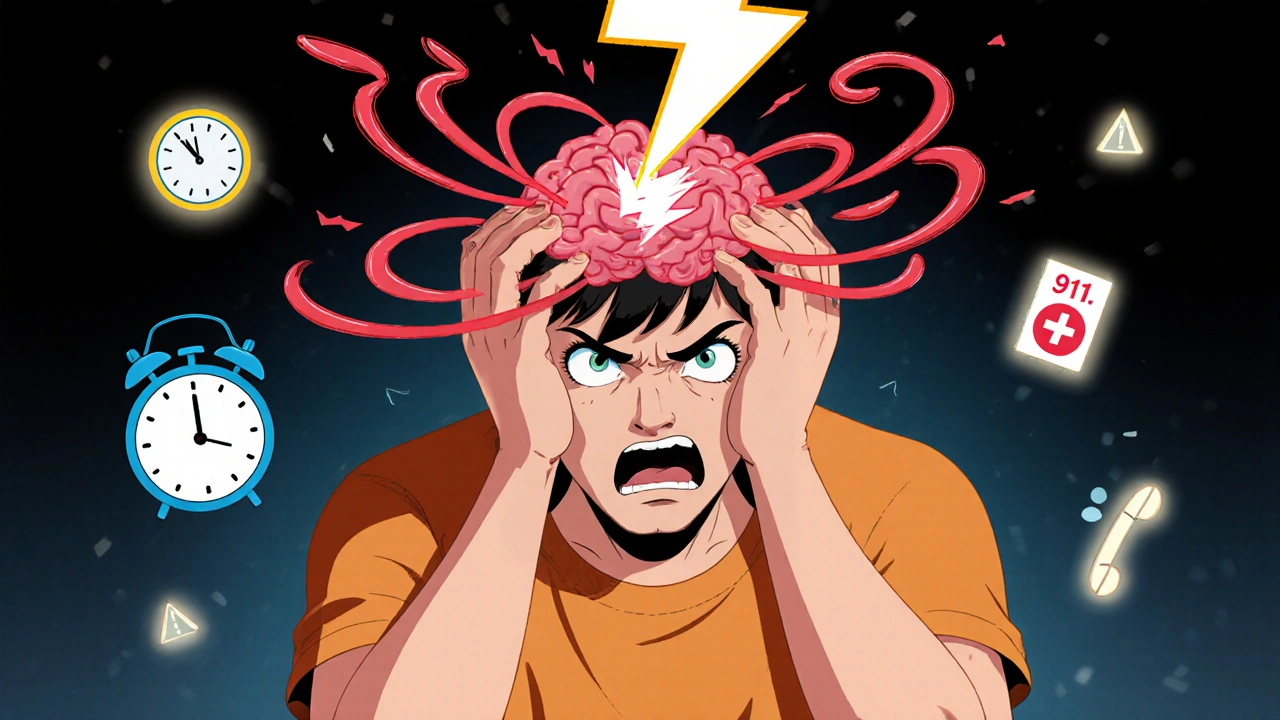
Most headaches are harmless, but sudden, severe pain or neurological symptoms like weakness, vision loss, or confusion could signal a life-threatening condition. Learn the critical red flags that demand immediate medical care.
Keep Reading