
When you use topical steroids, corticosteroid creams or ointments applied to the skin to reduce inflammation. Also known as corticosteroids, they work fast for rashes, eczema, and psoriasis—but they’re not harmless. The problem isn’t using them when needed. It’s using them too long, too often, or too strong without knowing the risks. Steroid skin damage, a set of visible and sometimes permanent changes caused by prolonged steroid use shows up quietly: thinning skin, redness, broken capillaries, or acne-like bumps. These aren’t side effects you can ignore—they’re warnings.
Think of your skin like a sponge. Steroids suppress inflammation, but they also shut down collagen production. Over time, your skin loses its natural thickness and strength. This is called skin thinning, a common consequence of long-term topical steroid use. It’s not just cosmetic. Thinned skin tears easily, heals slower, and becomes more sensitive to sun, heat, and even light friction. Some people develop steroid withdrawal, a rebound reaction when stopping steroids after extended use, where redness, burning, and flaking get worse after the cream is stopped. This isn’t an allergy—it’s your skin screaming for balance.
Who’s most at risk? People using strong steroids on the face, groin, or underarms for weeks or months. Moms applying steroid cream daily for baby eczema. Athletes using them for rashes from sweat and friction. Even over-the-counter hydrocortisone can cause damage if used for more than a week without a break. The real danger? Many don’t realize they’re causing harm until it’s too late. A doctor might prescribe a steroid for a flare-up, but rarely explains how to wean off it safely. That’s where most damage happens—not from the drug itself, but from the lack of a plan to stop it.
There’s no magic fix once damage is done. But you can stop it before it starts. Use the lowest strength possible. Apply it only to affected areas. Limit use to a few days at a time. Never use steroid creams on your face unless a doctor specifically says it’s safe. If your skin gets worse after stopping, or if you feel like you can’t live without the cream, you might be dealing with steroid withdrawal. That’s not weakness—it’s physiology. Talk to a dermatologist. There are safer alternatives, like moisturizers with ceramides, calcineurin inhibitors, or phototherapy, that don’t break down your skin.
The posts below cover everything you need to know: how to spot early signs of steroid damage, what happens when you stop cold turkey, how to rebuild skin health after long-term use, and which medications can make the problem worse. You’ll find real stories, practical steps, and the science behind why your skin reacts the way it does. No fluff. Just what works—and what to avoid.
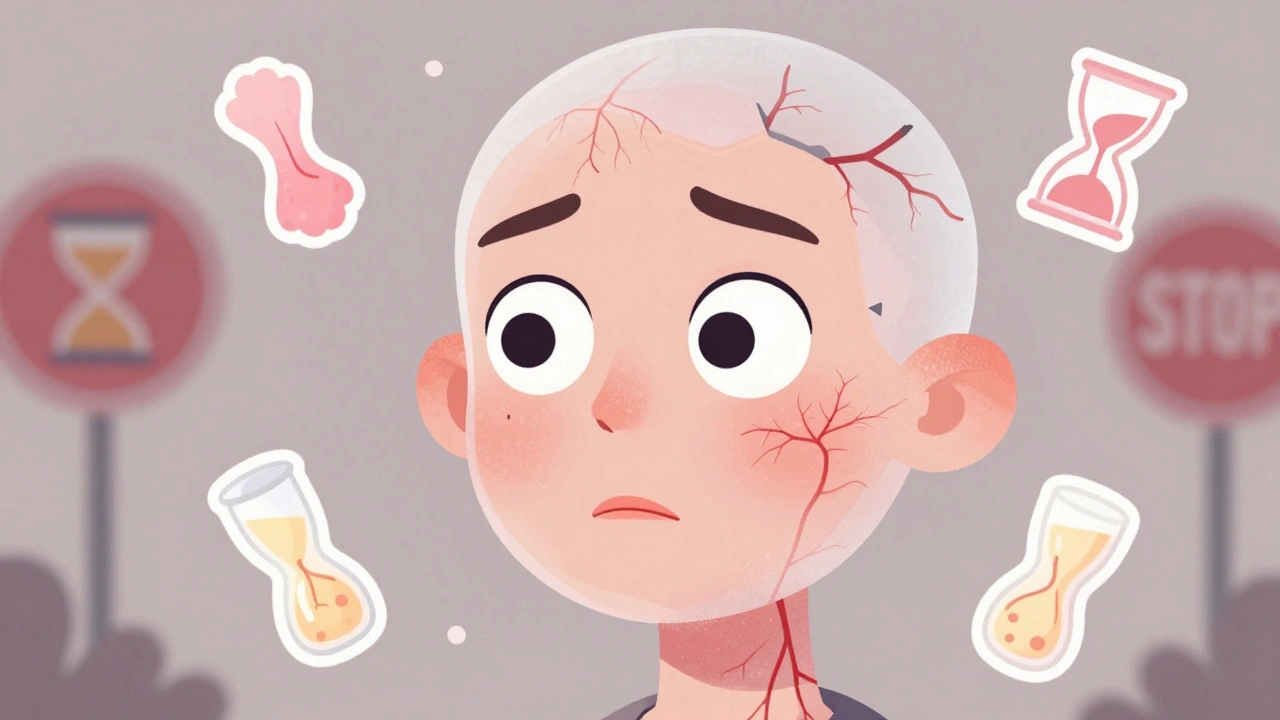
Topical corticosteroids can cause skin thinning, infections, and long-term damage if misused. Learn the signs of atrophy, how to use steroids safely, and what to do if you're experiencing withdrawal.
Keep Reading