
When your skin starts to look thin, fragile, or see-through—especially on your arms, legs, or face—it might not be just aging. It could be skin atrophy, a condition where the skin loses thickness and elasticity due to reduced collagen and fat tissue. Also known as steroid-induced skin thinning, it’s a silent side effect that often goes unnoticed until you bruise easily or develop stretch marks from light pressure. This isn’t rare. It happens to people using topical steroids for eczema, psoriasis, or even acne over months or years. And it’s not just creams—long-term oral or injected steroids can do the same thing, even if the skin looks fine on the surface.
What makes skin atrophy tricky is that it’s often caused by topical corticosteroids, powerful anti-inflammatory drugs used to calm rashes and irritation. The stronger the steroid and the longer you use it, the higher the risk. A cream you picked up without a prescription might be stronger than you think. Even over-the-counter hydrocortisone can cause damage if used daily for more than two weeks on sensitive areas like the face or groin. The skin doesn’t just get thin—it also loses its natural barrier, making it more prone to infections, cracks, and slow healing. And once it’s gone, the tissue doesn’t bounce back easily.
It’s not just steroids, either. Some medications used for autoimmune diseases, cancer, or even long-term anticoagulants can contribute to skin changes that mimic atrophy. People with chronic conditions who rely on daily treatments are at higher risk, especially if they’re not monitored for skin changes. And here’s the catch: doctors don’t always warn you. Many patients only notice the problem when they see a photo of themselves or get a bad bruise from a light bump. That’s why awareness matters.
If you’re using any kind of steroid cream, ointment, or injection for more than a few weeks, check your skin. Look for shiny, wrinkled, or translucent patches. Notice if you bruise more than before. Ask yourself: Is this normal aging—or is it the medicine? The good news? Stopping or switching the treatment early can stop further damage. In some cases, your skin can recover a bit with proper care—moisturizers, sun protection, and avoiding further steroid use. But the longer you wait, the less likely full recovery becomes.
The posts below cover real cases and practical advice from people who’ve dealt with this. You’ll find how certain drugs silently weaken the skin, what to ask your doctor before starting a new treatment, and how to spot early signs before they become permanent. Some posts even show how switching to non-steroid alternatives helped patients regain skin strength without losing symptom control. This isn’t about fear—it’s about knowing what to watch for and how to protect yourself.
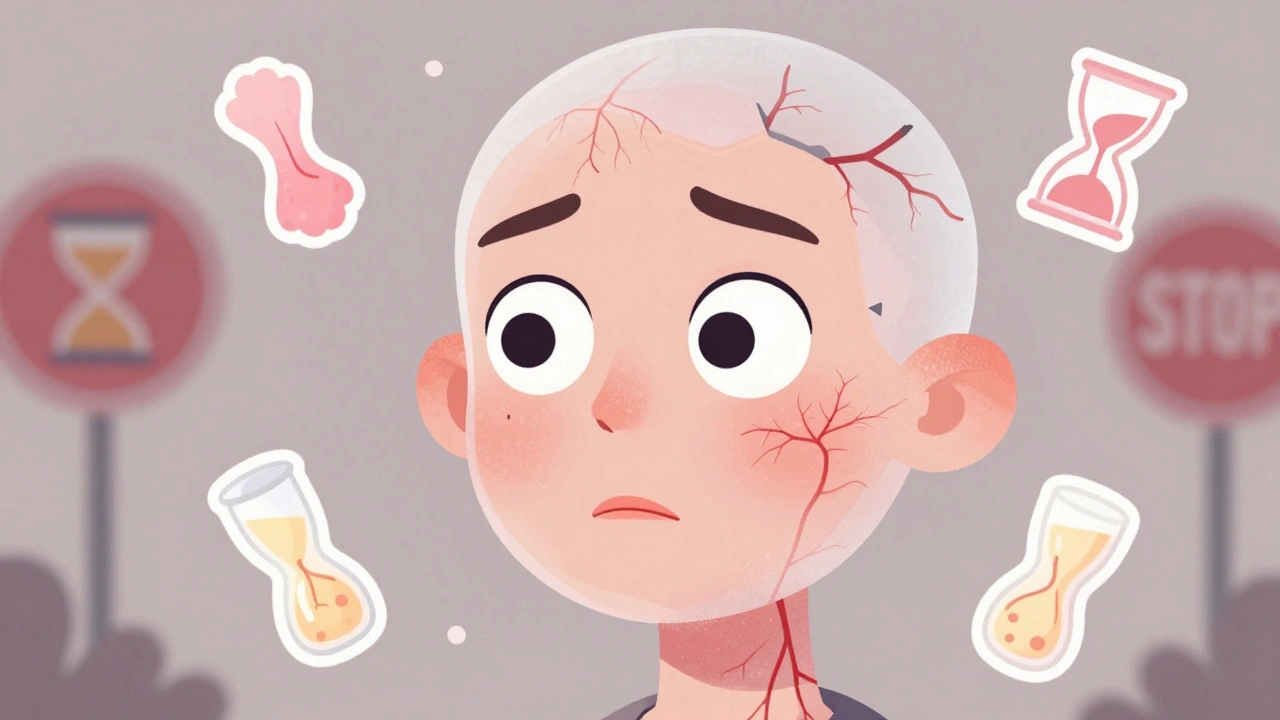
Topical corticosteroids can cause skin thinning, infections, and long-term damage if misused. Learn the signs of atrophy, how to use steroids safely, and what to do if you're experiencing withdrawal.
Keep Reading