
When you take rifampin, a powerful antibiotic used to treat tuberculosis and prevent meningitis exposure. Also known as Rifadin, it doesn’t just kill bacteria—it rewires your liver’s ability to process other drugs. This effect is called enzyme induction, when a drug triggers your liver to produce more metabolizing enzymes, especially CYP3A4 and CYP2C9. It’s not a side effect—it’s a systemic change. And it can make your birth control, blood thinners, or HIV meds useless.
Rifampin enzyme induction doesn’t wait days to kick in. It starts within hours and lasts weeks after you stop taking it. If you’re on warfarin, your INR can drop fast, raising your risk of stroke. If you’re taking an HIV drug like darunavir or a statin like simvastatin, levels can crash by 80%. Even antidepressants like sertraline or pain meds like oxycodone can become ineffective. This isn’t theoretical—real patients have had transplant rejections, unplanned pregnancies, and clotting events because their doctors didn’t account for it.
It’s not just about pills. Rifampin also messes with oral contraceptives, thyroid meds, corticosteroids, and even some antifungals. If you’re on any regular medication and your doctor prescribes rifampin, you need to ask: What else will this break? Sometimes, doses need to be adjusted. Other times, you need a different antibiotic. There’s no one-size-fits-all fix. But ignoring this interaction is dangerous.
What you’ll find below are real cases and practical guides on how rifampin enzyme induction affects other drugs, what to watch for, and how to protect yourself. From birth control failures to dangerous drops in drug levels, these posts give you the exact info you need—not guesses, not theory, just what happens when rifampin meets your other meds.
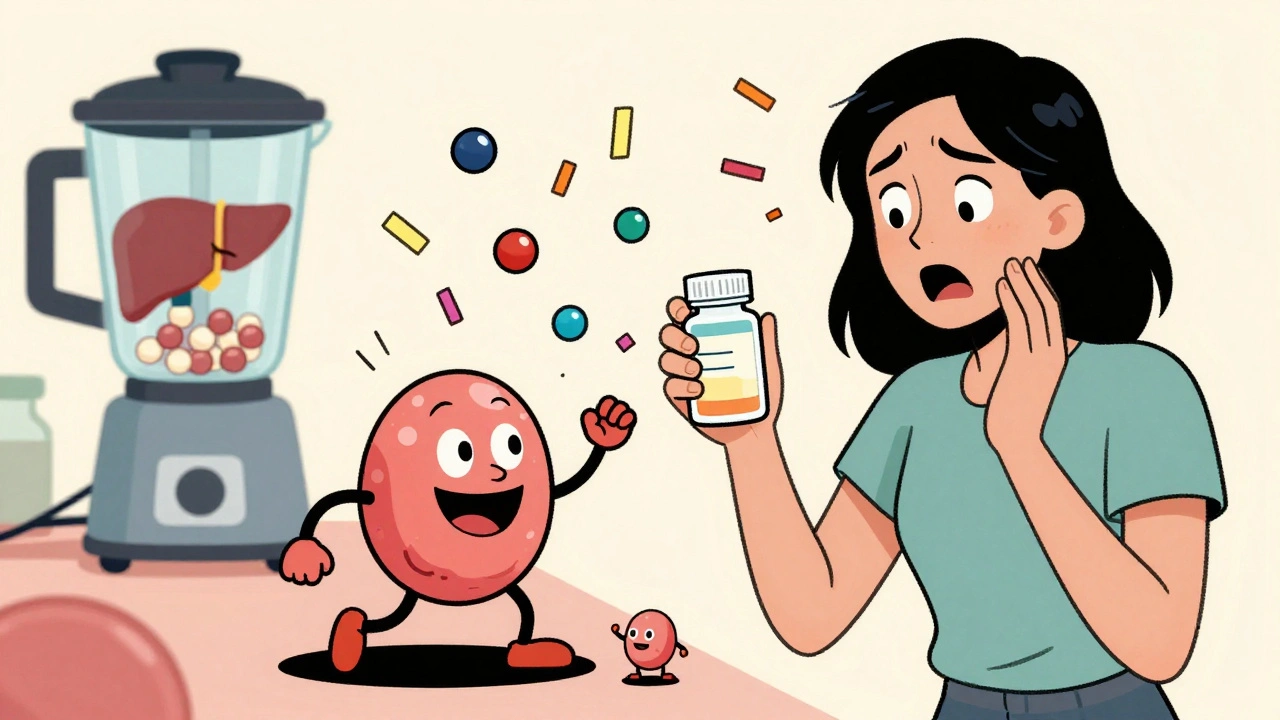
Rifampin can make birth control pills ineffective by speeding up hormone breakdown. Learn why only rifampin causes this risk, how long the danger lasts, and what backup methods actually work.
Keep Reading