
When someone swallows, inhales, or touches something toxic, poison control tips, immediate, science-backed steps to reduce harm after exposure to harmful substances. Also known as toxic exposure response, these actions can mean the difference between a quick recovery and a trip to the ER—or worse. Most poisonings happen at home. Kids grab cleaning bottles. Adults mix medications. Pets chew on plants. You don’t need to be a doctor to act, but you do need to know what not to do.
First, don’t induce vomiting. That old trick with syrup of ipecac? It’s outdated and dangerous. Vomiting can burn the throat, make breathing harder, or cause the poison to enter the lungs. Instead, get the person away from the source. Remove contaminated clothing. Rinse skin or eyes with cool water for 15 minutes. Keep the container or substance nearby—poison control centers need the exact name, ingredient, and amount. Don’t guess. Don’t wait for symptoms. Call the poison control hotline immediately: 1-800-222-1222 in the U.S. They’re staffed 24/7 by nurses and pharmacists trained to handle everything from chocolate ingestion in dogs to drain cleaner in a toddler’s mouth.
Some poisons have specific countermeasures. For example, activated charcoal can bind certain toxins in the stomach, but only if given early and under professional guidance. For acetaminophen overdose, N-acetylcysteine is the antidote—but it only works if given within hours. Iron pills, button batteries, and certain mushrooms? Those need ER care, not home remedies. And never use milk, oil, or soda to ‘dilute’ poison—those can make things worse. The same goes for giving someone coffee, salt water, or anything else you heard on social media. Poison control isn’t about myths. It’s about facts, timing, and the right response.
Prevention matters more than reaction. Lock up meds, cleaners, and chemicals in cabinets with childproof latches. Keep all substances in original containers—no more pouring bleach into soda bottles. Read labels before using anything, even if you’ve used it for years. Many poisonings happen because someone assumed it was safe. Check your home like a poison control expert: look under sinks, behind the toilet, in the garage. That old pesticide? The unlabeled bottle in the drawer? Get rid of it. Keep the poison control number saved in your phone and posted on the fridge. Teach kids early: ‘If you don’t know what it is, don’t touch it.’
Below, you’ll find real-world advice from medical professionals on handling drug overdoses, identifying hidden toxins in everyday products, and avoiding the most common mistakes people make during emergencies. These aren’t theoretical tips. They’re the same steps taken by poison control teams across the country when every second counts.
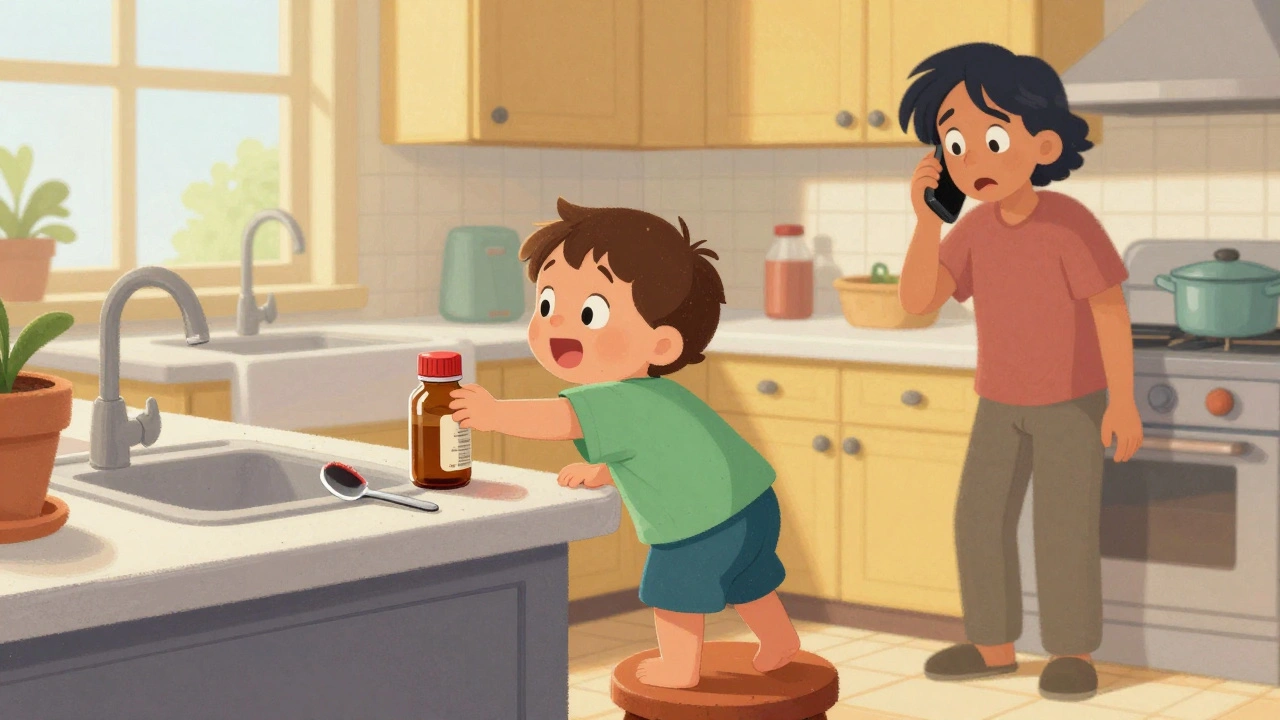
Accidental medication poisoning in kids is common, preventable, and often happens at home. Learn how to lock up medicines, avoid dangerous habits like calling pills candy, and what to do if your child swallows something they shouldn't.
Keep Reading