
When you take a pill, you're not just swallowing a chemical—you're entering a system full of risks, rules, and hidden traps. Patient education, the process of giving people clear, practical knowledge about their medications and health conditions. Also known as health literacy, it’s what keeps you from mixing rifampin with birth control and ending up pregnant, or accidentally thinning your skin with steroid cream for months without realizing it. This isn’t about reading brochures. It’s about understanding how your body reacts, what your drugs really do, and when to ask for help.
Medication safety, the practice of preventing harm from drugs through proper use, communication, and verification. It’s why insulin and heparin need double-checks before they’re given. It’s why QD and QID on prescriptions can kill someone if misread. It’s why calling pills candy to get a toddler to take them is a terrible idea—and why you need to lock up every bottle, even the ones that seem harmless. Drug interactions, when one substance changes how another works in your body. They don’t just happen between two pills. They happen when ginkgo biloba meets warfarin, when alcohol hits your diabetes meds, or when a common antibiotic like amoxicillin stops working because you’re on something else you didn’t tell your doctor about.
You’ll find real stories here—not theory. Like how someone took bisphosphonates for osteoporosis but didn’t know they had to wait 30 minutes before eating, so the drug did nothing. Or how a person thought their hiccups were just stress, until they learned dexamethasone was the real cause. Or how a parent saved their child’s life by knowing exactly what to do after accidental poisoning. These aren’t rare cases. They happen every day because people weren’t told the right things, in the right way.
There’s no magic trick to staying safe. It’s about asking the right questions: Why am I taking this? What happens if I miss a dose? What should I avoid? Is this really an allergy, or just a side effect? The posts below give you the answers—not from a doctor’s lecture, but from real-world experience, FDA rules, and clinical evidence. You’ll learn how to talk to multiple doctors without getting mixed-up prescriptions, how to use GoodRx instead of insurance when it saves money, and how to spot the red flags that mean you need to go to the ER right now. This is the kind of knowledge that doesn’t just help you take your pills—it helps you live longer, safer, and with less fear.
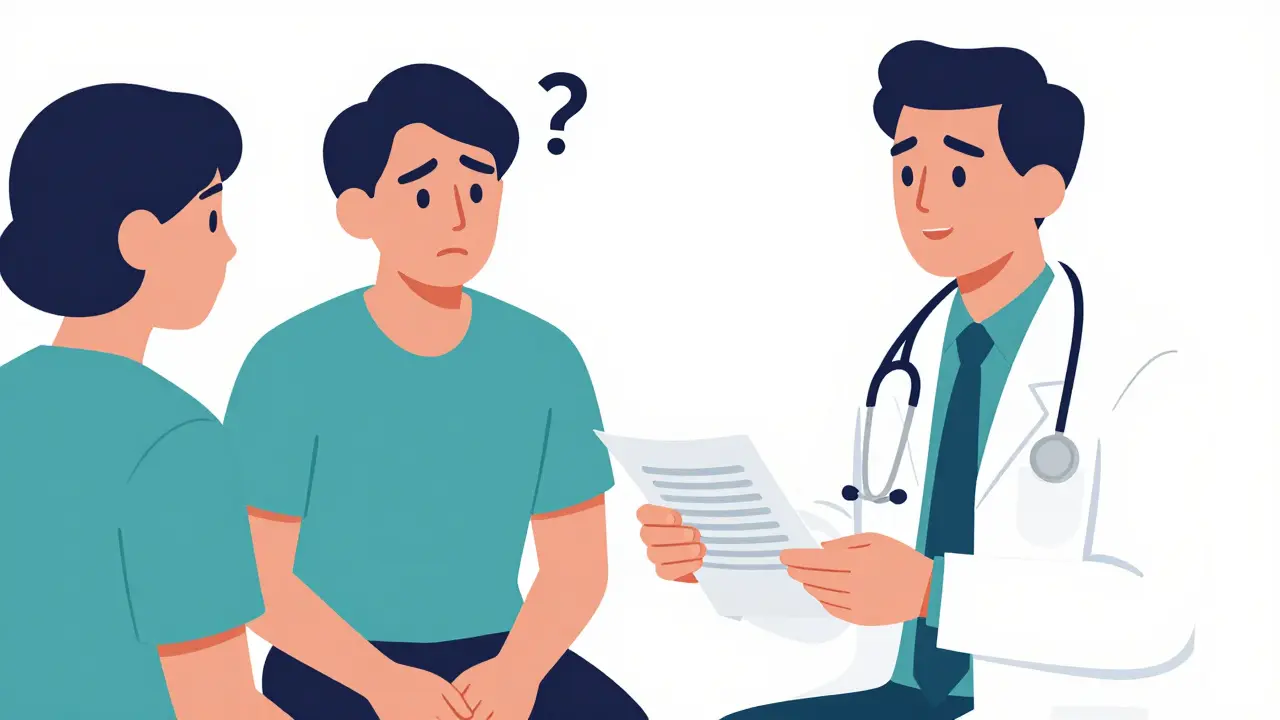
Learn how to measure education effectiveness in patient care using direct and indirect assessments, formative and summative tools to track genuine understanding.
Keep Reading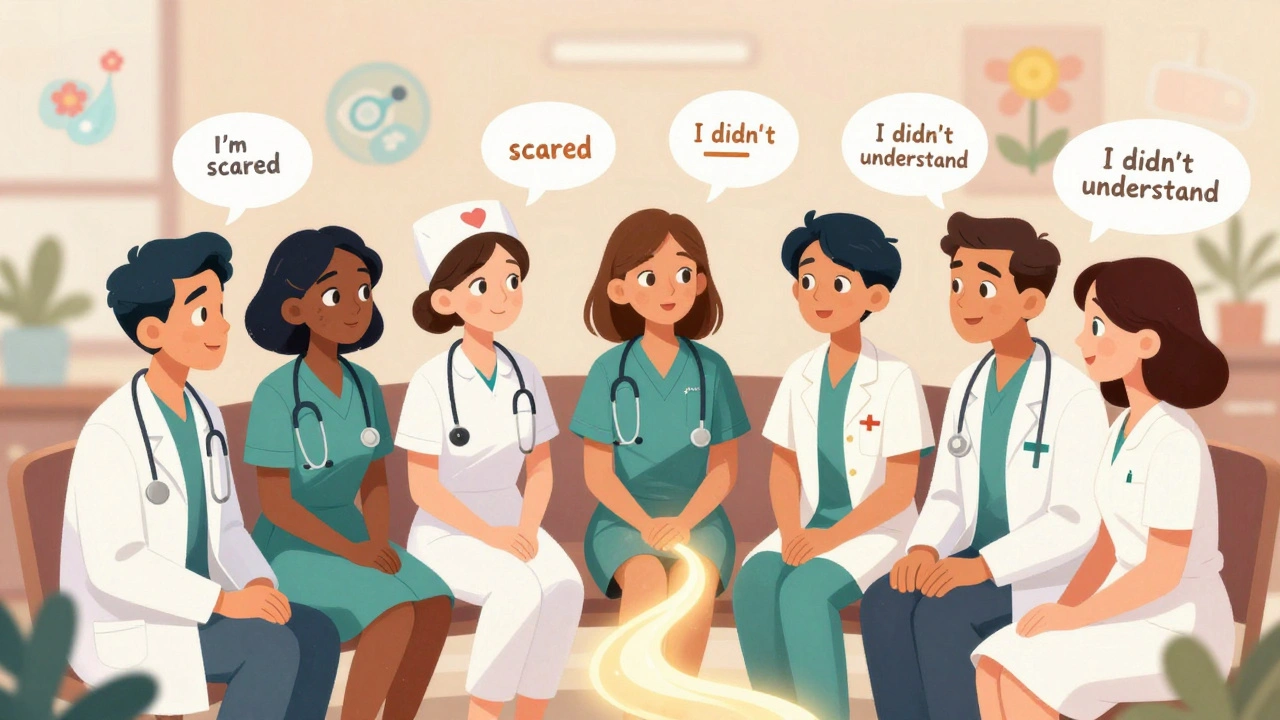
Institutional healthcare communication programs use evidence-based training to reduce errors, improve patient satisfaction, and cut malpractice claims. Learn how these programs work, who they help, and why they're becoming mandatory.
Keep Reading