
When your bones start to weaken, it’s not just about getting older—it’s about osteoporosis treatment, a set of medical and lifestyle strategies designed to slow bone loss and prevent fractures. Also known as bone density management, it’s not one-size-fits-all. What works for a 65-year-old woman after menopause might not be right for a 70-year-old man with kidney issues. The goal? Keep you standing, moving, and safe from breaks that can change your life.
Effective osteoporosis treatment starts with understanding what’s driving the bone loss. For many, it’s low calcium, a mineral your bones store and release to keep your blood chemistry stable. Without enough from food or supplements, your body pulls from your skeleton, leaving it porous and fragile. But calcium alone won’t fix it. You need vitamin D, the hormone-like nutrient that helps your body absorb calcium from your gut. Most adults need at least 800 IU daily—more if you’re older, live in a northern climate, or don’t get outside often. And if your doctor says your levels are low, they’ll likely recommend a blood test before prescribing anything.
Medications are part of the picture, but not the whole story. bisphosphonates, a class of drugs like alendronate and risedronate that slow down bone breakdown, are often the first line of defense. They’re taken weekly or monthly, and while they work well for most, they can cause stomach upset or, rarely, jaw or thigh bone problems. That’s why they’re not for everyone. Alternatives like denosumab (injections every six months) or teriparatide (daily shots that actually build new bone) are options if those don’t fit. But none of these work without movement. Walking, lifting light weights, or even standing on one foot for 30 seconds a day sends signals to your bones: stay strong.
What you don’t do matters too. Smoking cuts blood flow to bones. Too much alcohol? It messes with the cells that rebuild bone. And if you’re on long-term steroids—like for asthma or arthritis—that’s a major red flag. Those drugs accelerate bone loss faster than almost anything else. If you’re on them, your doctor should be monitoring your bone density regularly.
There’s no magic pill. No supplement that turns brittle bones into steel. But there is a clear path: get your levels checked, take what’s missing, move every day, avoid the habits that hurt you, and use medication only when needed. The posts below cover exactly that—real stories, real science, and real advice from people who’ve been through it. You’ll find what works, what doesn’t, and how to talk to your doctor without getting lost in jargon. This isn’t about fear. It’s about control. And you’ve got more of it than you think.
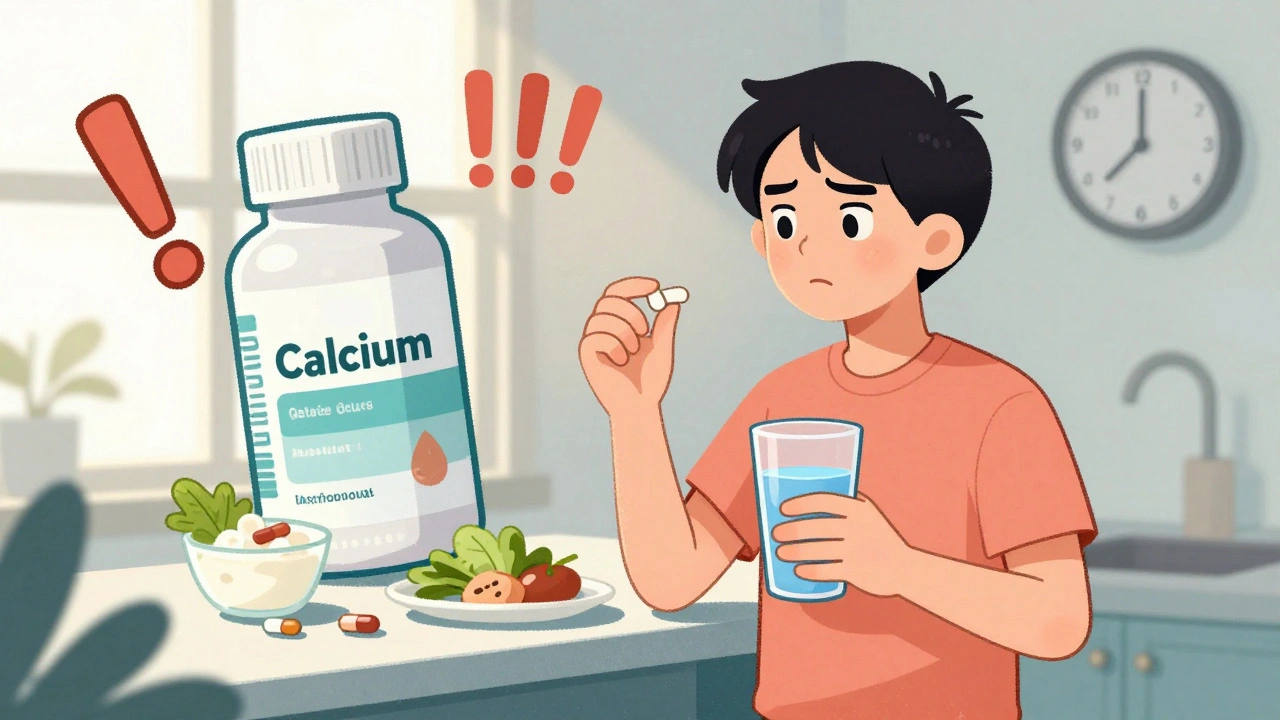
Bisphosphonates are key for osteoporosis, but they only work if taken correctly with calcium. Learn the exact timing rules, why mixing them fails, and how to avoid common mistakes that reduce effectiveness.
Keep Reading