
When you have a meningitis headache, a severe, persistent headache caused by inflammation of the membranes around the brain and spinal cord. Also known as meningeal headache, it’s not just a bad headache—it’s often your body’s alarm system for an infection that needs urgent attention. Unlike a tension headache or migraine, a meningitis headache doesn’t improve with rest or over-the-counter painkillers. It usually comes with other red flags: stiff neck, fever, nausea, light sensitivity, and sometimes confusion or vomiting.
This type of headache can come from viral meningitis, a less severe form often caused by common viruses like enteroviruses, or the far more dangerous bacterial meningitis, a life-threatening infection caused by bacteria like meningococcus or pneumococcus. Bacterial meningitis can kill within hours if untreated, and the headache is often the first clear symptom. People often mistake it for the flu at first—until the pain gets worse and the neck won’t bend. If you or someone else has a headache like this, especially with fever and stiff neck, don’t wait. Go to the ER.
There’s no home fix for a true meningitis headache. Pain relievers might dull it a little, but they won’t touch the cause. The real treatment? Fast diagnosis and the right medicine—antibiotics for bacterial cases, rest and fluids for viral. Some people recover fully, others face long-term issues like hearing loss or memory problems if treatment is delayed. That’s why recognizing the signs early matters more than almost anything else.
What you’ll find in the posts below isn’t just a list of articles—it’s a practical guide to understanding what this headache really means. You’ll see how it compares to other serious headaches, what tests doctors use to confirm it, why some people get it after a cold or ear infection, and how to tell if it’s something you can manage at home—or something that needs an ambulance. These aren’t theory pieces. They’re real-world insights from people who’ve been there, and from clinicians who’ve seen the worst cases. If you’re worried about a headache that won’t quit, this collection gives you the facts you need to act fast.
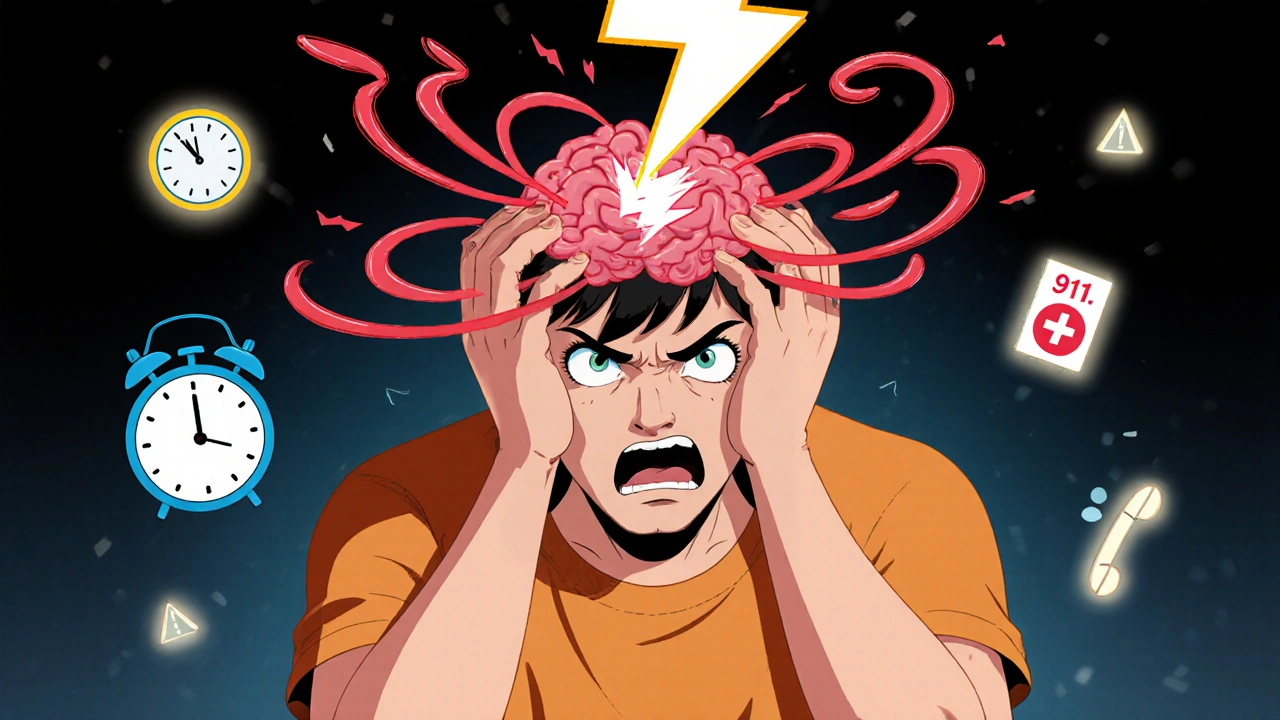
Most headaches are harmless, but sudden, severe pain or neurological symptoms like weakness, vision loss, or confusion could signal a life-threatening condition. Learn the critical red flags that demand immediate medical care.
Keep Reading