
When you get a headache, a common pain condition affecting the head or neck region, often caused by tension, stress, or migraines. Also known as cephalgia, it’s usually nothing serious—but sometimes, it’s your body’s alarm system. Most headaches are harmless, but a small number are warning signs of something dangerous. Knowing the difference can be life-saving.
One major red flag is a thunderclap headache, a sudden, severe headache that peaks within seconds, often described as the worst pain of someone’s life. This isn’t just a bad migraine—it could mean a brain aneurysm is bursting. Another is a headache that comes with neurological symptoms, changes like blurred vision, weakness on one side, slurred speech, or confusion. These aren’t typical migraine auras; they’re signs your brain might be under pressure or damaged. If your headache starts after age 50, gets worse when lying down, or wakes you up at night, don’t ignore it. These patterns show up in studies as linked to tumors, infections, or high blood pressure emergencies.
Headaches that follow a head injury—even if it seemed minor—need urgent attention. So do headaches that get worse with coughing, bending over, or physical activity. If you’ve never had migraines before and now you’re getting them daily, or if your pain doesn’t respond to normal meds like ibuprofen or acetaminophen, that’s another signal. These aren’t just "bad days." They’re clues doctors use to rule out conditions like meningitis, giant cell arteritis, or increased pressure in the skull.
The posts below cover exactly these kinds of cases. You’ll find real-world examples of how people missed early signs, what tests actually matter, and how to talk to your doctor when something feels off. You’ll also learn how to tell the difference between a migraine and a stroke warning, why some headaches respond to rest while others need scans, and what blood work or imaging might reveal. No fluff. No guesswork. Just what you need to know before walking into an ER or scheduling a neurology visit.
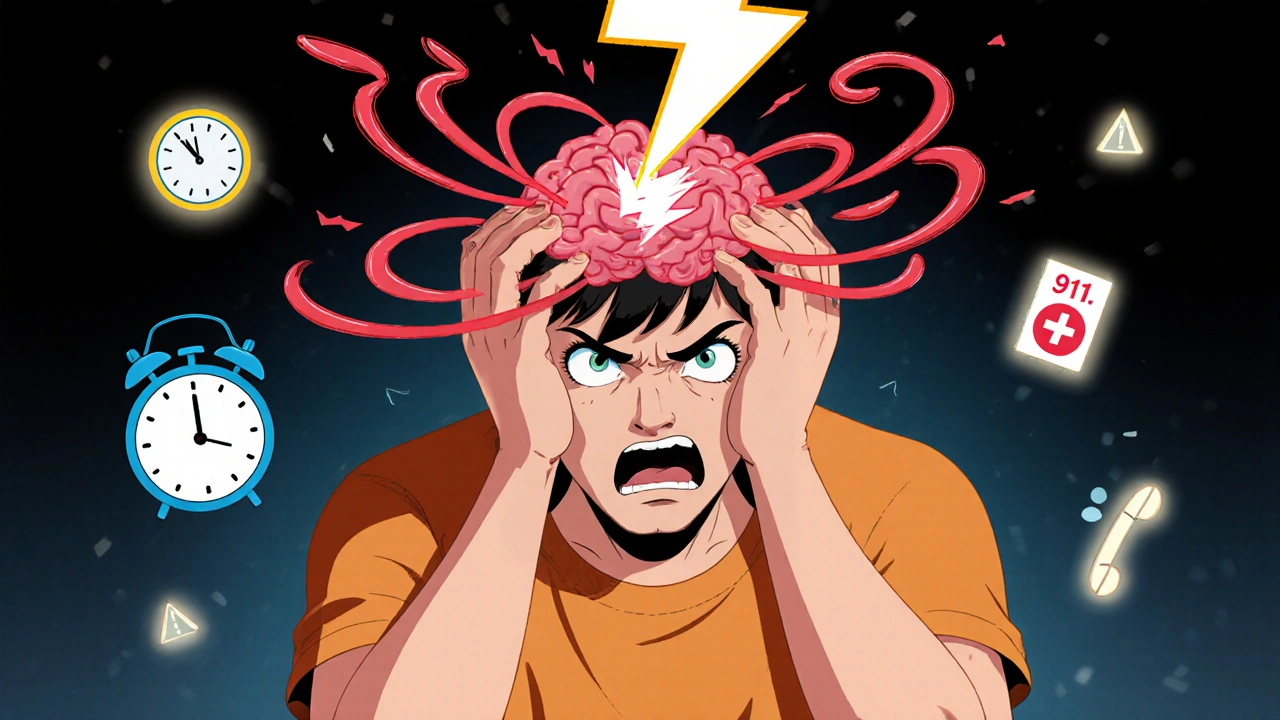
Most headaches are harmless, but sudden, severe pain or neurological symptoms like weakness, vision loss, or confusion could signal a life-threatening condition. Learn the critical red flags that demand immediate medical care.
Keep Reading