
When you hear DOACs, Direct Oral Anticoagulants, a class of modern blood-thinning medications used to prevent dangerous clots. Also known as novel oral anticoagulants, they’ve replaced warfarin for millions because they work faster, need less monitoring, and have fewer food interactions. If you’ve been told you need a blood thinner for atrial fibrillation, a deep vein clot, or after hip surgery, chances are your doctor picked a DOAC—not because it’s new, but because it just works better for most people.
DOACs include drugs like apixaban, a commonly prescribed anticoagulant that reduces stroke risk in atrial fibrillation with lower bleeding rates than older options, rivaroxaban, often used after joint replacement surgery to prevent clots, and dabigatran, the first DOAC approved, known for its predictable dosing and reversal agent. These aren’t just brand names—they represent a shift in how we treat clotting. Unlike warfarin, which needs weekly blood tests and strict diet rules, DOACs come in fixed doses. You take them once or twice a day, and you don’t have to avoid spinach or green tea. That freedom matters. But they’re not perfect. Bleeding is still the biggest risk, and unlike warfarin, there’s no simple test to check if the drug is working in your body. That’s why knowing your symptoms—like unusual bruising, blood in urine, or sudden headaches—is critical.
People who take DOACs often wonder about interactions. Some antibiotics, antifungals, and even St. John’s wort can make them too strong or too weak. That’s why it’s so important to tell every doctor and pharmacist you’re on a DOAC before starting anything new. And if you’re on one, don’t mix it with NSAIDs like ibuprofen or naproxen unless your doctor says it’s safe—those can increase bleeding risk too. You might also hear about reversal agents like idarucizumab or andexanet alfa. These aren’t magic bullets, but they exist for emergencies. If you fall and hit your head, or start bleeding uncontrollably, hospitals can act fast.
What you’ll find in the posts below isn’t just a list of drug names. It’s real-world advice from people who’ve been there—how to spot a dangerous interaction with herbal supplements like Ginkgo Biloba, why some people still end up on warfarin instead of a DOAC, and how to handle missed doses without panicking. You’ll also see how these drugs fit into bigger pictures: managing atrial fibrillation, preventing strokes after surgery, and reducing the risk of clots in people with cancer. There’s no one-size-fits-all answer. But with the right info, you can make smarter choices—and stay safer.
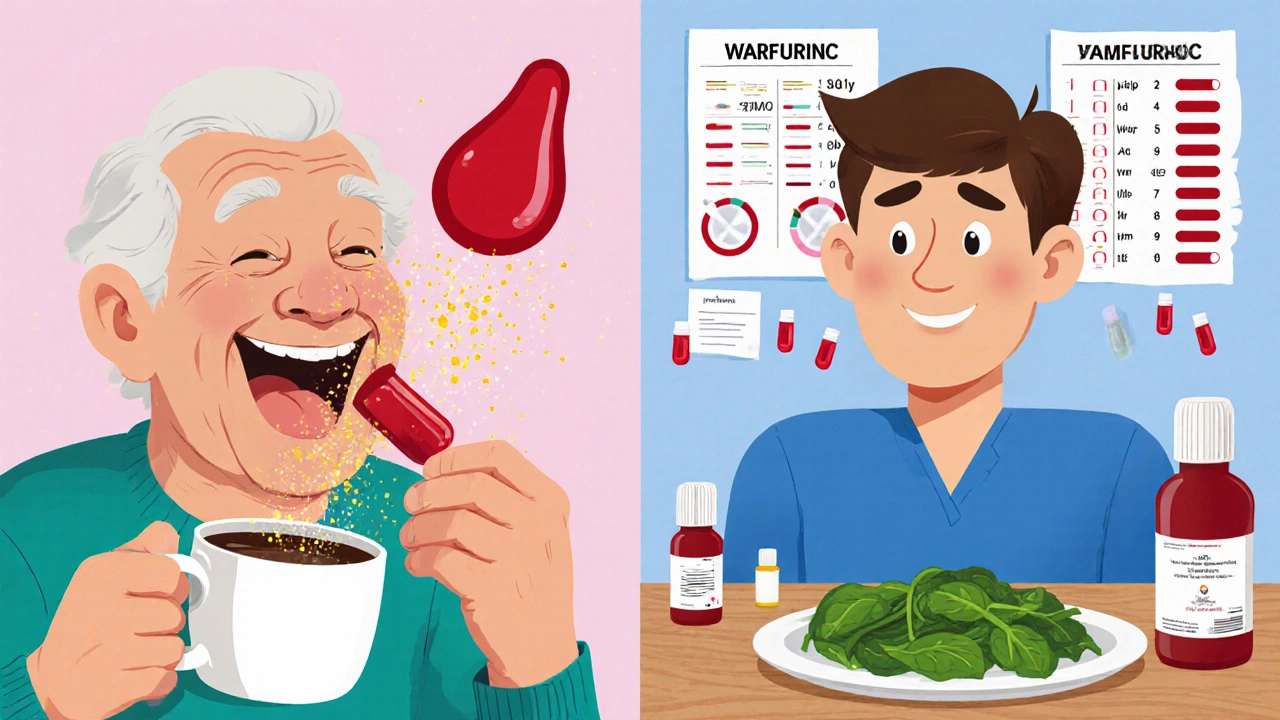
DOACs like apixaban and rivaroxaban offer fewer bleeding risks and no need for blood tests compared to warfarin, making them the preferred choice for most patients. Learn who still needs warfarin and how to choose the safest option.
Keep Reading