
When you take corticosteroids, a class of anti-inflammatory drugs used for conditions like asthma, rheumatoid arthritis, and autoimmune diseases. Also known as steroids, they work by calming your immune system — but that same effect can leave you vulnerable to infections. It’s not that corticosteroids cause infections directly. They make it harder for your body to fight off bacteria, viruses, and fungi that are already around you. This is called immunosuppression, the reduction of the body’s ability to respond to pathogens. And it’s one of the most dangerous side effects people don’t talk about until it’s too late.
People on long-term corticosteroid therapy — especially those taking more than 20mg of prednisone daily for over three months — are at higher risk. But even short courses can cause trouble if you’re older, diabetic, or already dealing with another illness. Common infections include pneumonia, urinary tract infections, skin abscesses, and fungal infections like thrush. Some rare but serious ones include tuberculosis reactivation and invasive fungal infections like aspergillosis. The problem? These infections often show up with mild or no symptoms at first. A low-grade fever, slight cough, or small sore that won’t heal might seem harmless — but in someone on steroids, it could be the start of something serious.
It’s not just about the dose. How you take the drug matters too. Inhaled steroids for asthma carry much lower risk than oral or injected forms. But even nasal sprays and topical creams can be absorbed enough to affect immunity if used heavily over time. What makes this even trickier is that many people don’t realize their symptoms are linked to their medication. They blame a cold, stress, or bad luck — not the drug they’ve been taking for months. That’s why tracking your health closely is critical. If you’re on corticosteroids, watch for any new or worsening symptoms: fever, chills, fatigue, unexplained weight loss, or skin changes. Get tested early if something feels off. Don’t wait for it to get worse.
You don’t have to stop your treatment to stay safe. Many people need corticosteroids to manage chronic conditions. The goal isn’t to avoid them — it’s to use them wisely. Talk to your doctor about the lowest effective dose. Ask if you can switch to a local form (like an inhaler) instead of pills. Get vaccinated — flu, pneumonia, and shingles shots are especially important. Avoid close contact with sick people. Wash your hands. Don’t ignore small cuts or rashes. And never stop steroids suddenly — that can cause dangerous withdrawal. Always taper under medical supervision.
The posts below give you real-world insights into how corticosteroids interact with other conditions, what symptoms to watch for, and how to avoid complications without giving up your treatment. You’ll find advice on spotting hidden infections, managing drug risks alongside other meds, and protecting your health while staying on therapy. This isn’t about fear. It’s about awareness — and taking control before something serious happens.
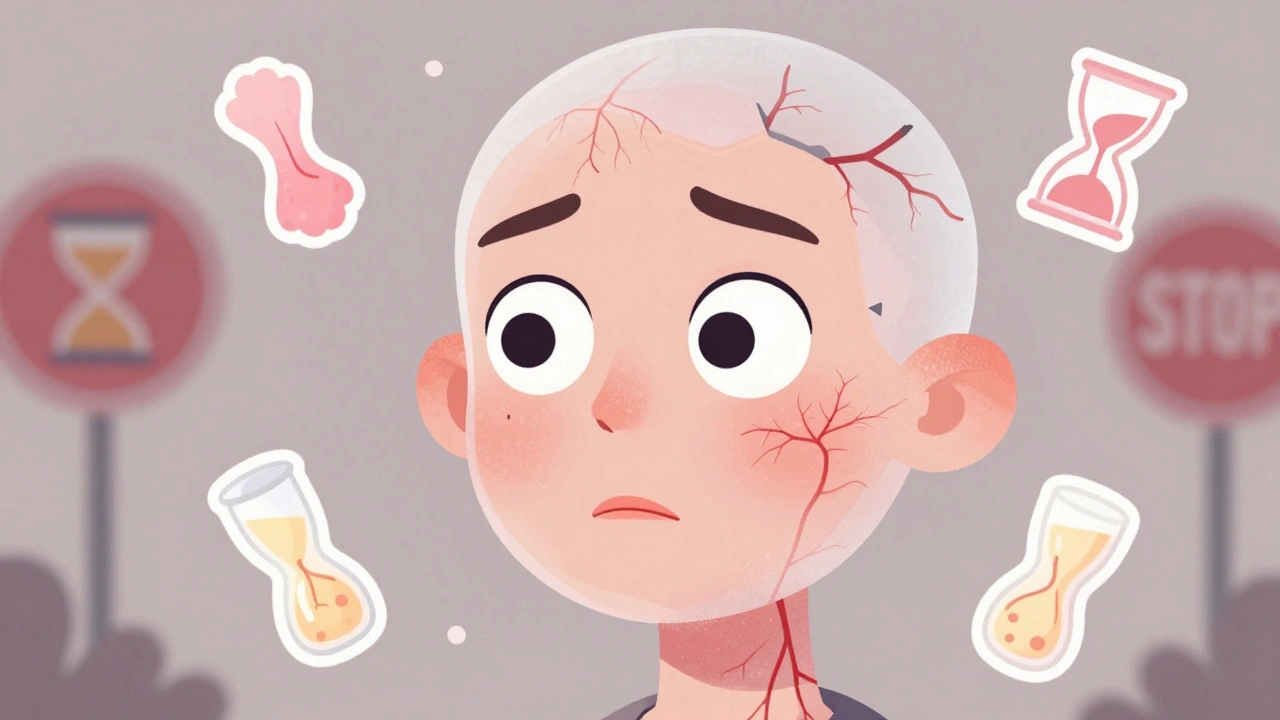
Topical corticosteroids can cause skin thinning, infections, and long-term damage if misused. Learn the signs of atrophy, how to use steroids safely, and what to do if you're experiencing withdrawal.
Keep Reading