
When your bones start losing density, bisphosphonates, a class of drugs designed to slow bone breakdown and increase bone strength. Also known as bone resorption inhibitors, they’re among the most prescribed medications for osteoporosis and other conditions that weaken bone structure. These aren’t magic pills—they work slowly, over months, by targeting the cells that break down bone tissue. That’s why they’re not used for quick fixes, but for long-term protection against fractures, especially in older adults and people with conditions like osteoporosis or bone metastases.
Bisphosphonates don’t build new bone—they stop the body from tearing it down too fast. That’s why they’re often paired with calcium and vitamin D, which actually help build bone. You’ll find them used in people with osteoporosis after a hip fracture, in those with long-term steroid use, or even in cancer patients whose disease has spread to the bones. They come as pills you take once a week or once a month, or as an IV infusion every few months. The oral versions need to be taken on an empty stomach with plain water, and you have to stay upright for at least 30 minutes afterward. Skip those steps, and you risk serious stomach irritation or esophageal damage.
Not everyone tolerates them well. Some people get flu-like symptoms after the first IV dose. Others report jaw pain or numbness—a rare but serious issue called osteonecrosis of the jaw. Long-term use, especially beyond five years, can lead to unusual thigh fractures. That’s why doctors often take a "drug holiday" after a few years, stopping the meds for a while to let the body reset. It’s not a one-size-fits-all treatment. Your age, kidney function, and other meds you take all matter. If you’re on blood thinners or have trouble swallowing pills, your doctor needs to know.
What you won’t find in most drug ads is how these meds fit into real life. People on bisphosphonates often worry about dental work, travel, or what happens if they miss a dose. Some switch to other drugs like denosumab when side effects get too much. Others stick with them because the alternative—breaking a hip at 75—is far worse. The posts below cover what really happens when people take these drugs: the unexpected side effects, how they interact with other meds, what to do if you’re worried about jaw problems, and how to tell if the treatment is actually working for you. You’ll also see how they compare to other bone treatments, what doctors miss in routine checkups, and how to talk to your pharmacist about long-term risks. This isn’t just about pills. It’s about staying mobile, independent, and safe as you age.
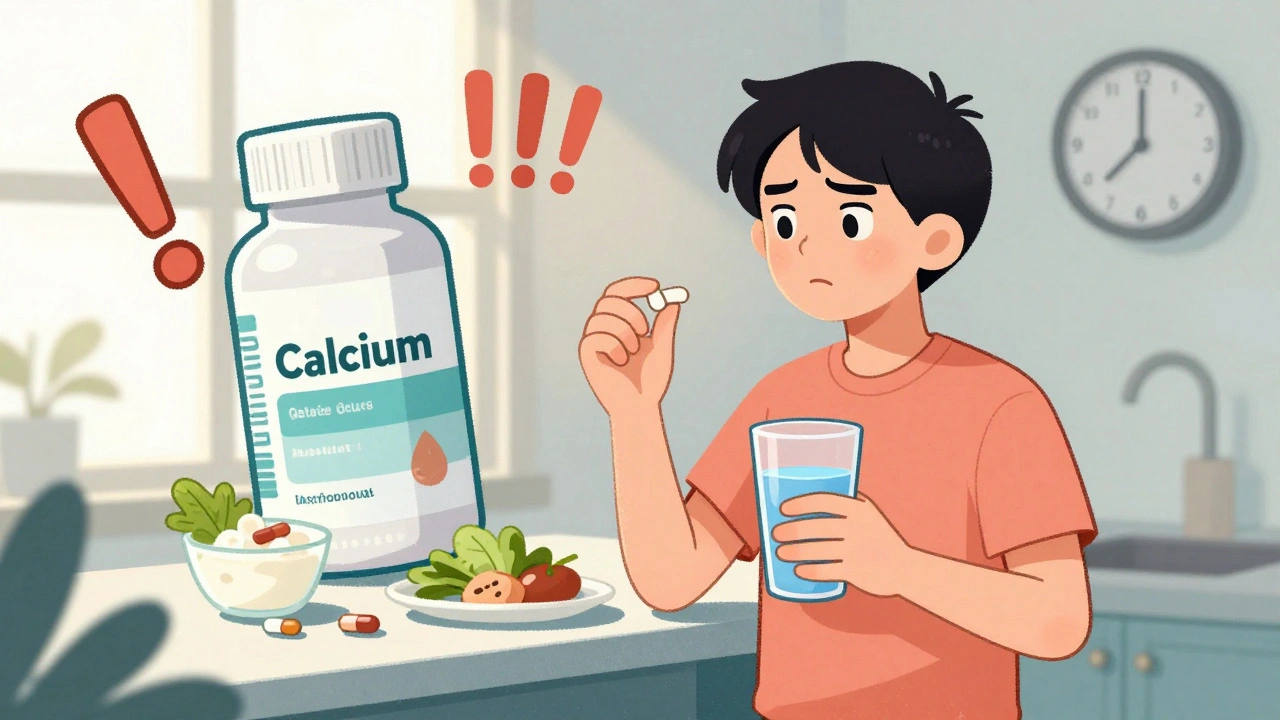
Bisphosphonates are key for osteoporosis, but they only work if taken correctly with calcium. Learn the exact timing rules, why mixing them fails, and how to avoid common mistakes that reduce effectiveness.
Keep Reading