
When it comes to preventing strokes in people with atrial fibrillation or treating blood clots, two names come up again and again: apixaban, a direct oral anticoagulant that blocks factor Xa in the blood clotting process and warfarin, a vitamin K antagonist that’s been used for over 70 years to thin the blood. Both stop clots from forming, but that’s where the similarities end. Apixaban is newer, simpler, and doesn’t require constant blood tests. Warfarin works, but it’s finicky—what you eat, other meds you take, even your genetics can throw it off.
Many people switch from warfarin to apixaban because they’re tired of frequent INR checks and dietary restrictions. With warfarin, you have to watch your leafy greens, avoid certain antibiotics, and stick to a strict schedule. Miss a dose? Your clotting time could swing dangerously high or low. Apixaban? Take it twice a day, no testing, no food rules. That’s why studies like ARISTOTLE showed apixaban reduces stroke risk slightly better and causes fewer dangerous bleeds than warfarin. But it’s not perfect—apixaban costs more, and if you have kidney problems, your doctor might still pick warfarin.
Another big difference? Reversal. If someone on warfarin starts bleeding badly, doctors can give vitamin K or fresh plasma to fix it fast. With apixaban, there’s a specific antidote called andexanet alfa, but it’s expensive and not always available. For most people, though, the lower bleeding risk and easier use make apixaban the go-to. Still, warfarin isn’t obsolete. It’s the only option for people with mechanical heart valves, and in places where cost matters more than convenience, it’s still widely used.
If you’re on one of these drugs, or your doctor is talking about switching you, ask: Why this one? Is it because of your kidneys? Your budget? Your lifestyle? Or just because it’s what’s been prescribed for years? The answer isn’t always obvious. Some patients do better on warfarin—especially if they’ve been on it for decades without issues. Others feel like a new person after switching to apixaban. The key is matching the drug to the person, not just following a trend.
You’ll also see posts here about Ginkgo Biloba, an herbal supplement that can increase bleeding risk when mixed with blood thinners and how drug interactions, like those between warfarin and common antibiotics or painkillers, can turn a safe treatment into a dangerous one. These aren’t just side notes—they’re real risks that affect whether you stay healthy or end up in the ER. That’s why knowing how apixaban and warfarin behave in your body matters more than you think.
Below, you’ll find real-world comparisons, patient experiences, and expert breakdowns of how these drugs stack up in daily life. No fluff. Just what works, what doesn’t, and what you need to ask your doctor before making a move.
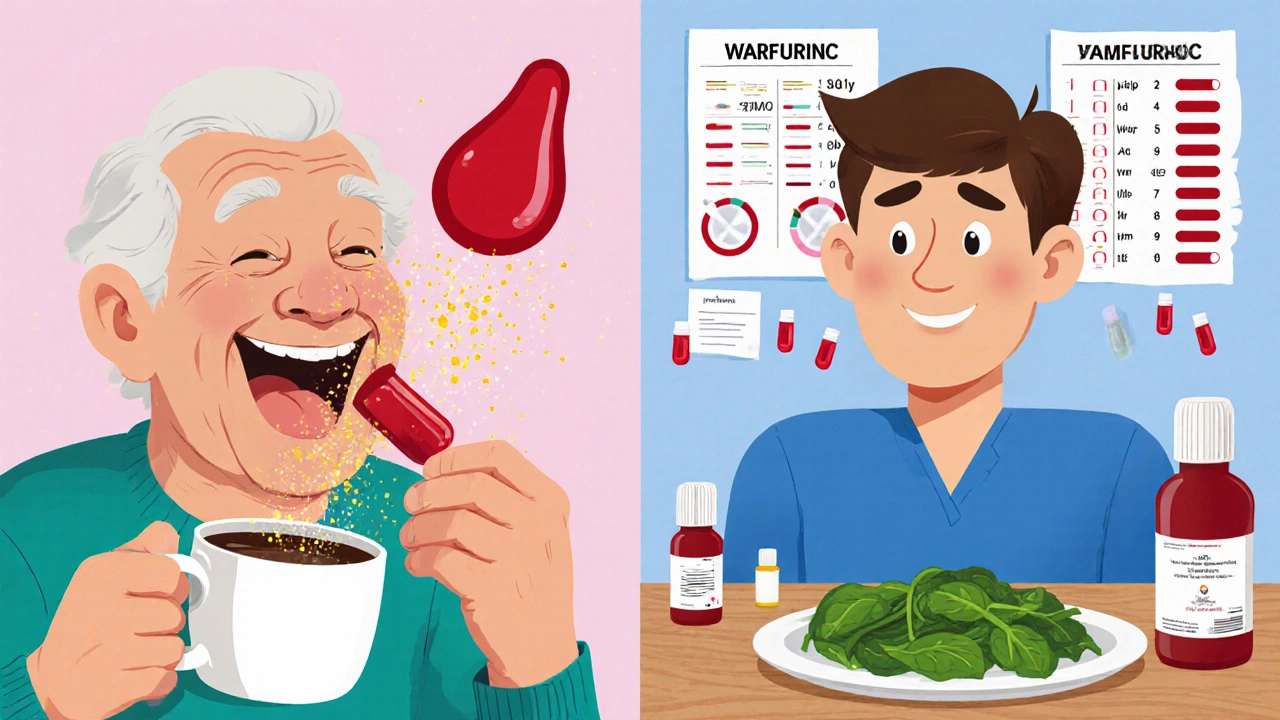
DOACs like apixaban and rivaroxaban offer fewer bleeding risks and no need for blood tests compared to warfarin, making them the preferred choice for most patients. Learn who still needs warfarin and how to choose the safest option.
Keep Reading