
When you pick up a generic pill at the pharmacy, it’s likely because it went through ANDA approval, a streamlined process the FDA uses to approve generic versions of brand-name drugs. Also known as Abbreviated New Drug Application, it’s the backbone of affordable medicine in the U.S. Unlike brand drugs that need full clinical trials, generics under ANDA only prove they work the same way—same active ingredient, same dose, same route, same strength. No need to repeat every study. Just prove bioequivalence. That’s how we get the same medicine for 80% less.
ANDA approval doesn’t mean lower quality. It means smarter regulation. The FDA Orange Book, the official list of approved drug products with therapeutic equivalence evaluations tells pharmacists which generics can be swapped for brand names. That’s where therapeutic equivalence, the scientific standard that ensures generics perform identically to their brand counterparts comes in. If a generic has a TE code like AB1, it’s approved for automatic substitution. If it’s BX? It’s not interchangeable. That’s why your pharmacist might ask if you’re okay with a different generic—some aren’t approved as direct swaps.
Here’s what this means for you: ANDA approval is why your $200 brand-name drug became a $12 generic. It’s why your insurance prefers generics. And it’s why some drugs still don’t have affordable alternatives—because the brand company holds patents or exclusivity rights that block ANDA filings. Even when generics exist, not all are created equal. Some lack authorized versions, meaning the brand maker doesn’t license their own formula to a generic maker. That’s why you might see the same drug priced differently across pharmacies. It’s not just about the pill—it’s about the approval path behind it.
Behind every generic you take, there’s a paper trail of bioequivalence studies, manufacturing inspections, and FDA reviews. ANDA approval isn’t a shortcut—it’s a targeted, science-backed system designed to bring down costs without cutting corners. You’ll find posts here that dig into how TE codes affect your prescriptions, why some generics are harder to find, and how the Orange Book guides what your pharmacist can swap. Whether you’re trying to save money, understand why your pill looks different, or just want to know if your generic is truly the same, this collection breaks it down without the jargon.
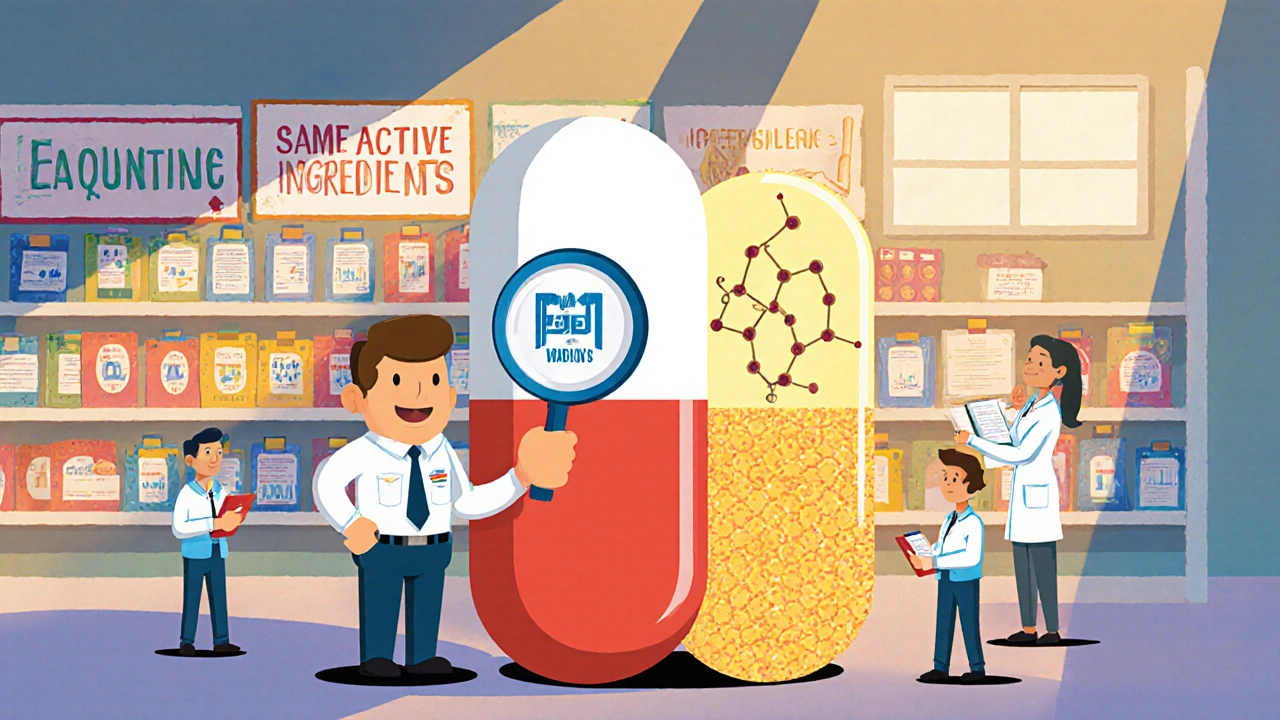
The FDA requires generic drugs to meet the same safety and effectiveness standards as brand-name drugs. Learn how bioequivalence, manufacturing rules, and strict testing ensure generics work just as well-without the high cost.
Keep Reading