
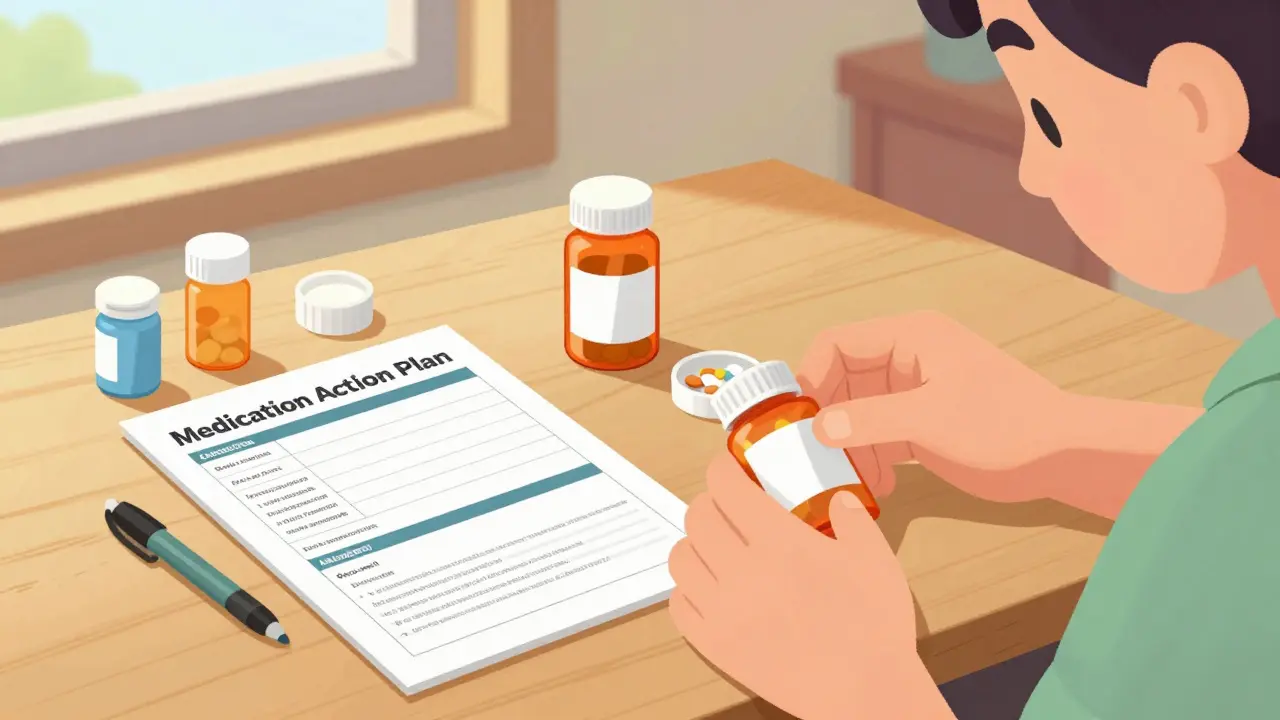
Master using Medication Action Plans during healthcare visits. Learn proven techniques to communicate effectively with providers, reduce errors, and manage complex medication regimens safely.
Keep Reading
An in-depth look at long-term safety studies comparing generic and brand-name drugs, exploring bioequivalence standards, manufacturing variability, and patient outcomes.
Keep Reading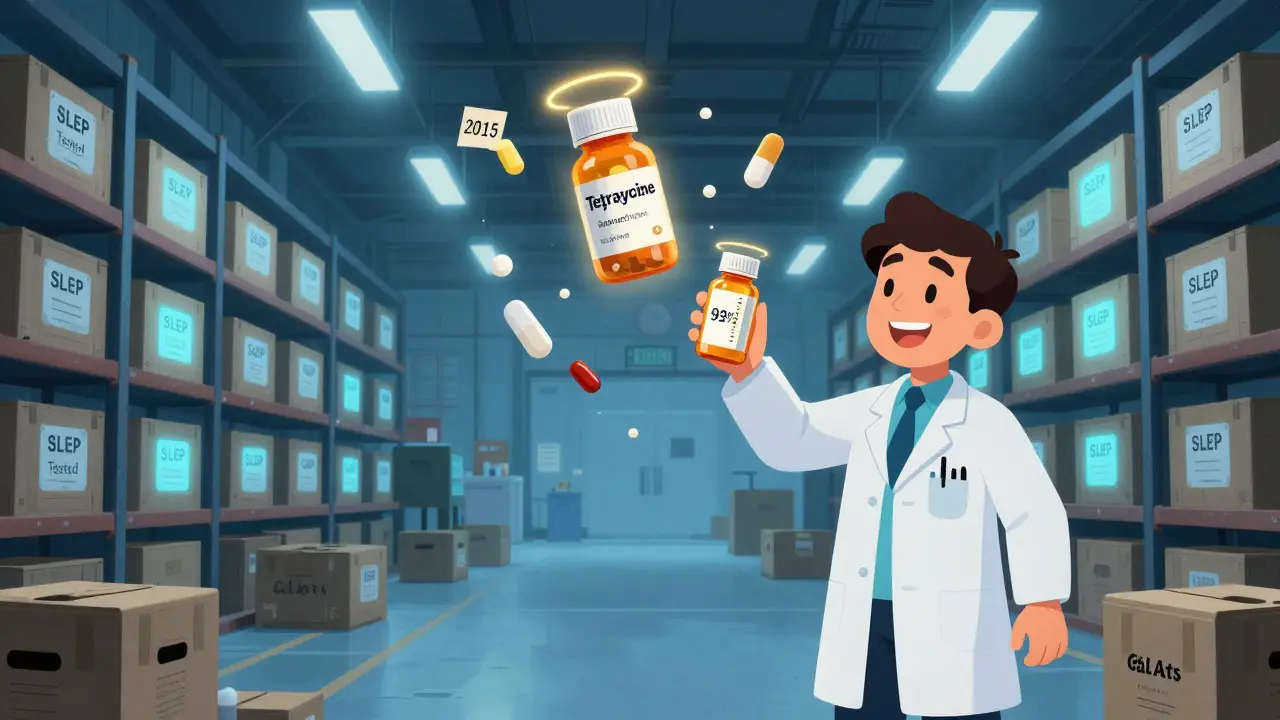
The Military Shelf Life Extension Program proves many drugs remain effective years past their expiration dates when stored properly - challenging conventional wisdom and saving billions in federal spending.
Keep Reading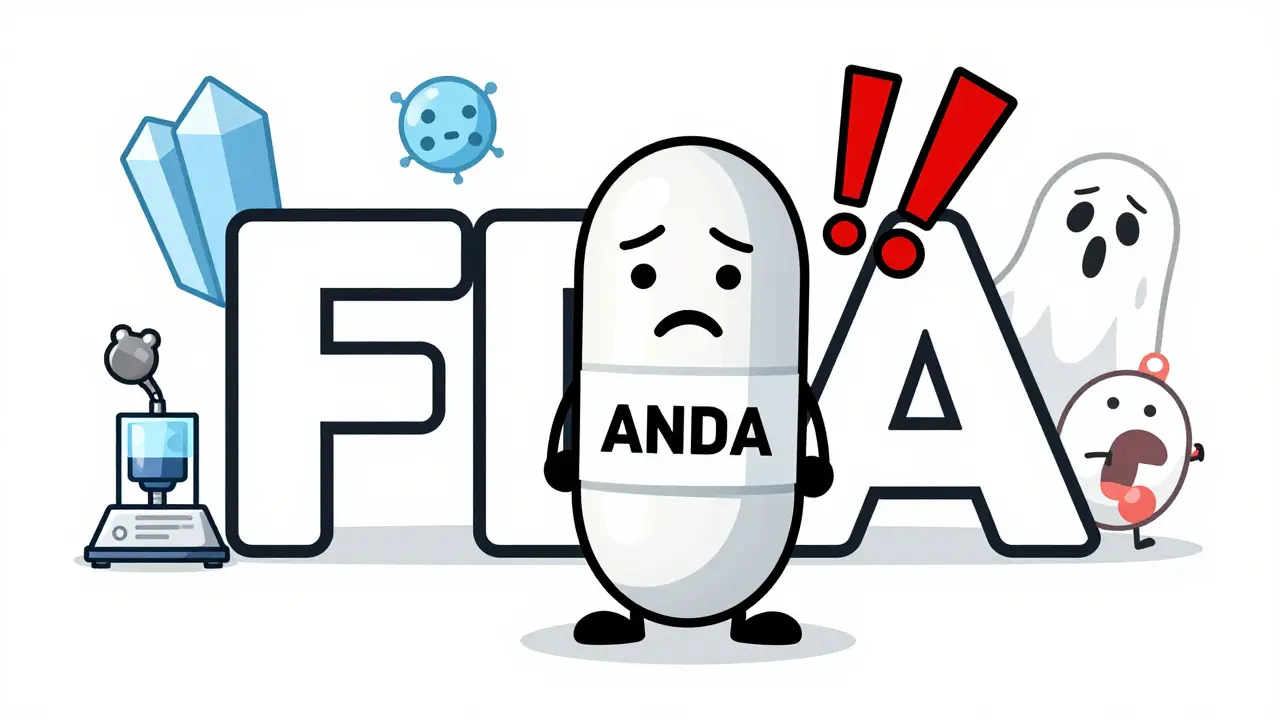
Common FDA deficiency letter findings in generic drug applications include dissolution method flaws, impurity control gaps, and inadequate drug substance characterization. Learn how to avoid these top issues and improve first-cycle approval rates.
Keep Reading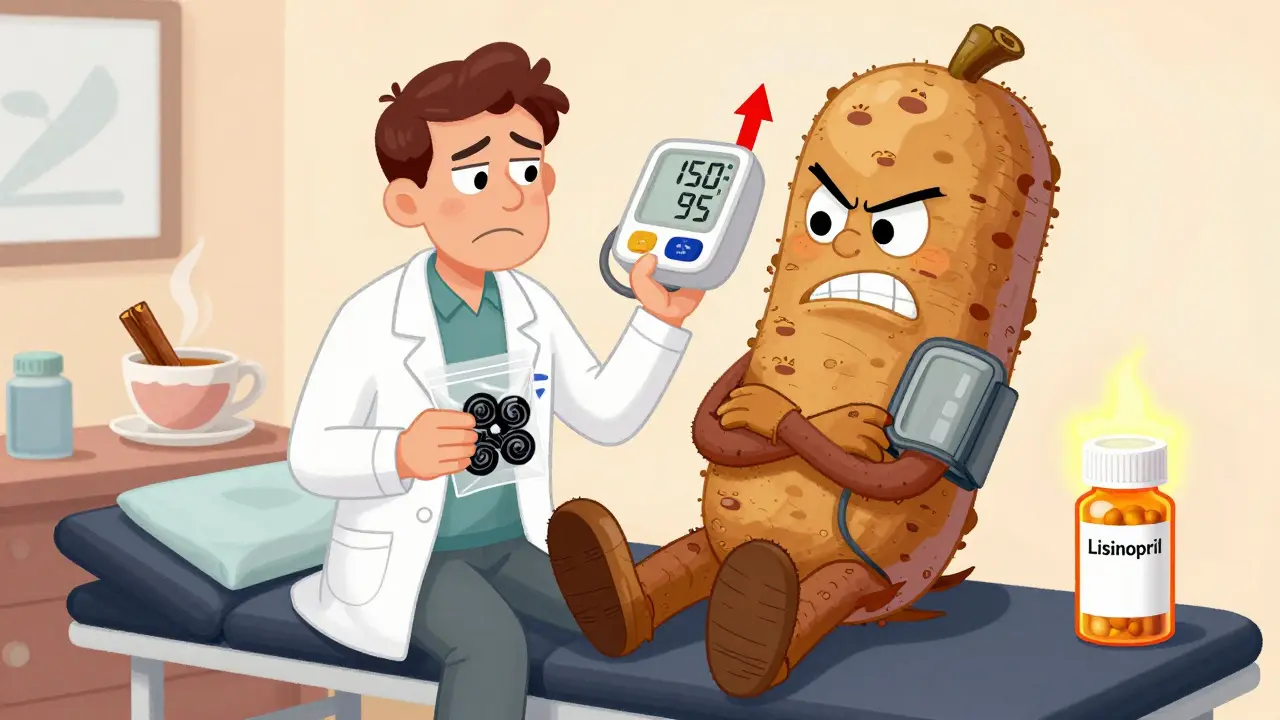
Licorice contains glycyrrhizin, which can raise blood pressure and lower potassium, making blood pressure medications less effective. Avoid black licorice, teas, and supplements if you're on antihypertensive drugs.
Keep Reading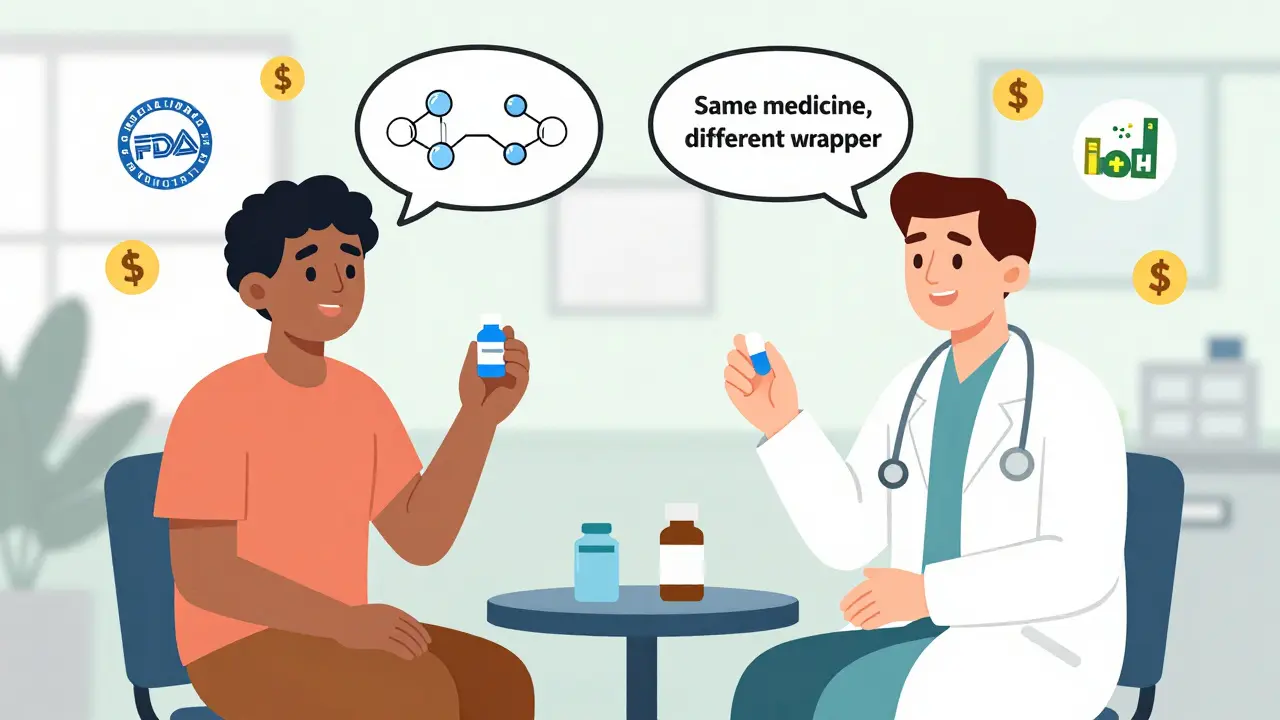
Learn how to effectively communicate with patients about generic medications to improve adherence, reduce costs, and build trust. Evidence-based strategies for providers to address common concerns and ensure better health outcomes.
Keep Reading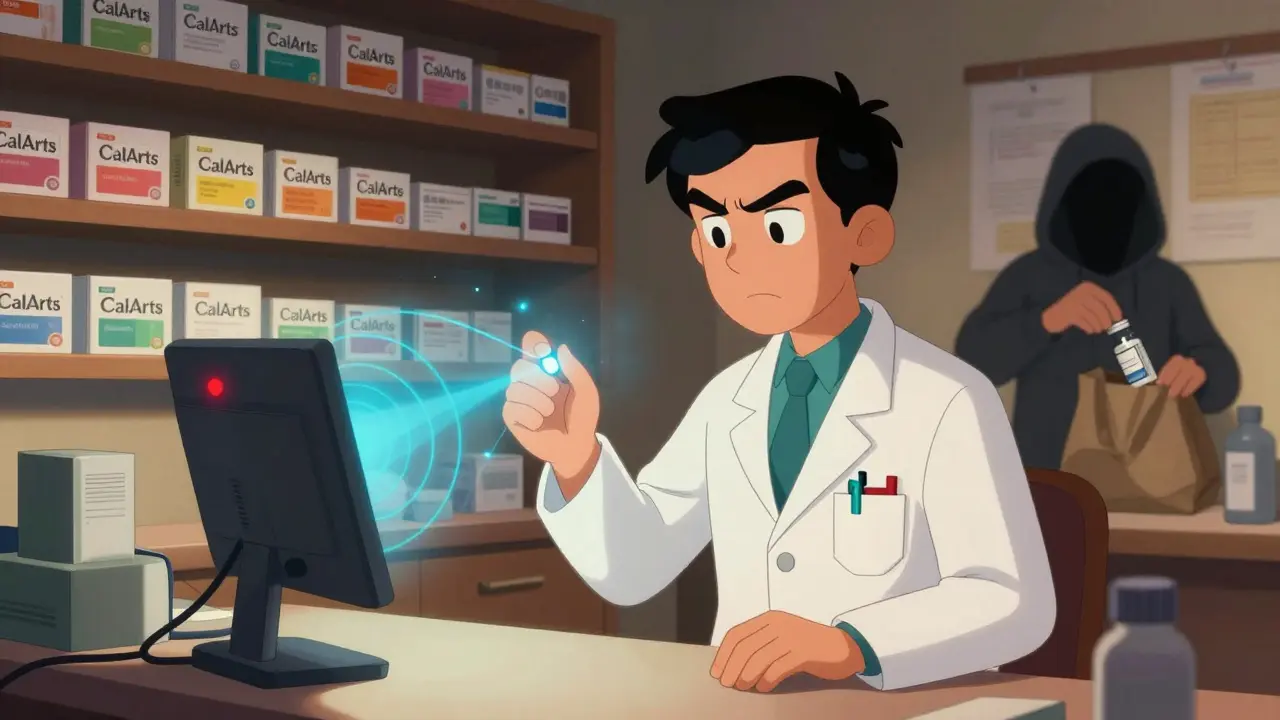
Pharmacists are the last line of defense against counterfeit drugs. Learn how modern training, AI tools, and global initiatives are helping them spot fake medications and protect patients from deadly fakes.
Keep Reading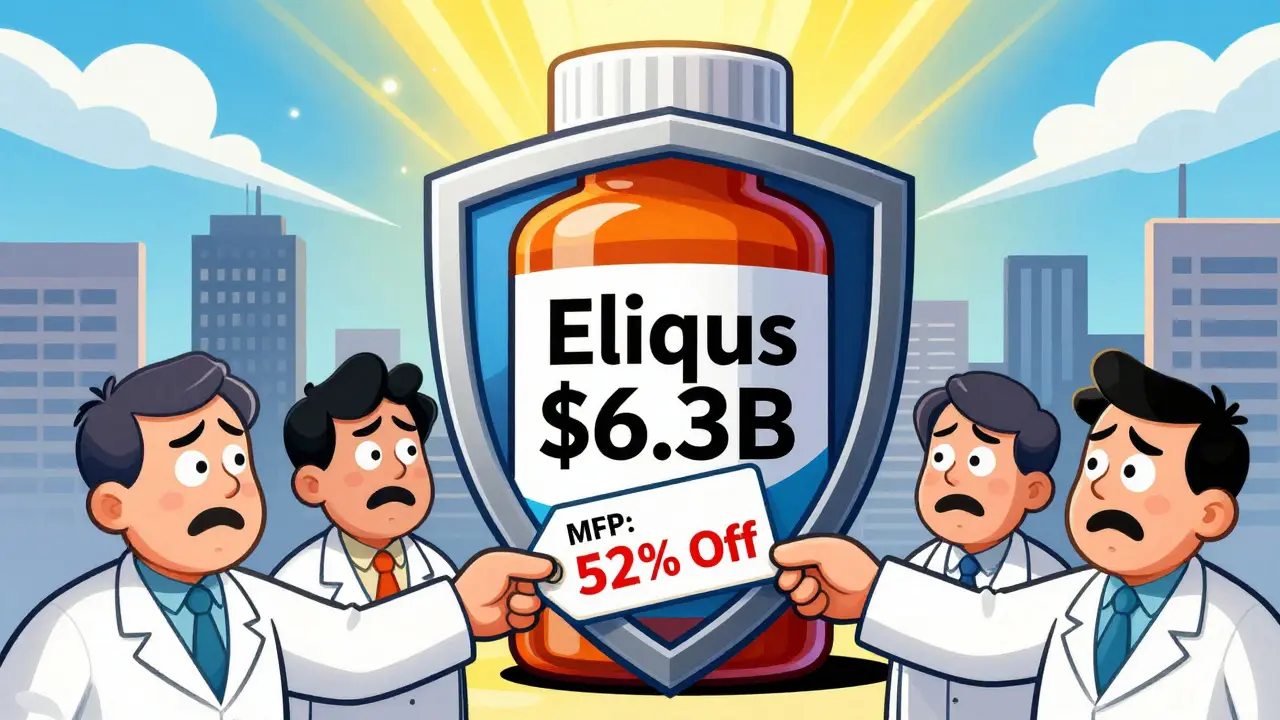
Medicare’s new drug price negotiation program is cutting costs for 10 top medications by up to 79%, starting in 2026. Learn how this affects Medicare beneficiaries, private insurers, and what’s coming next.
Keep Reading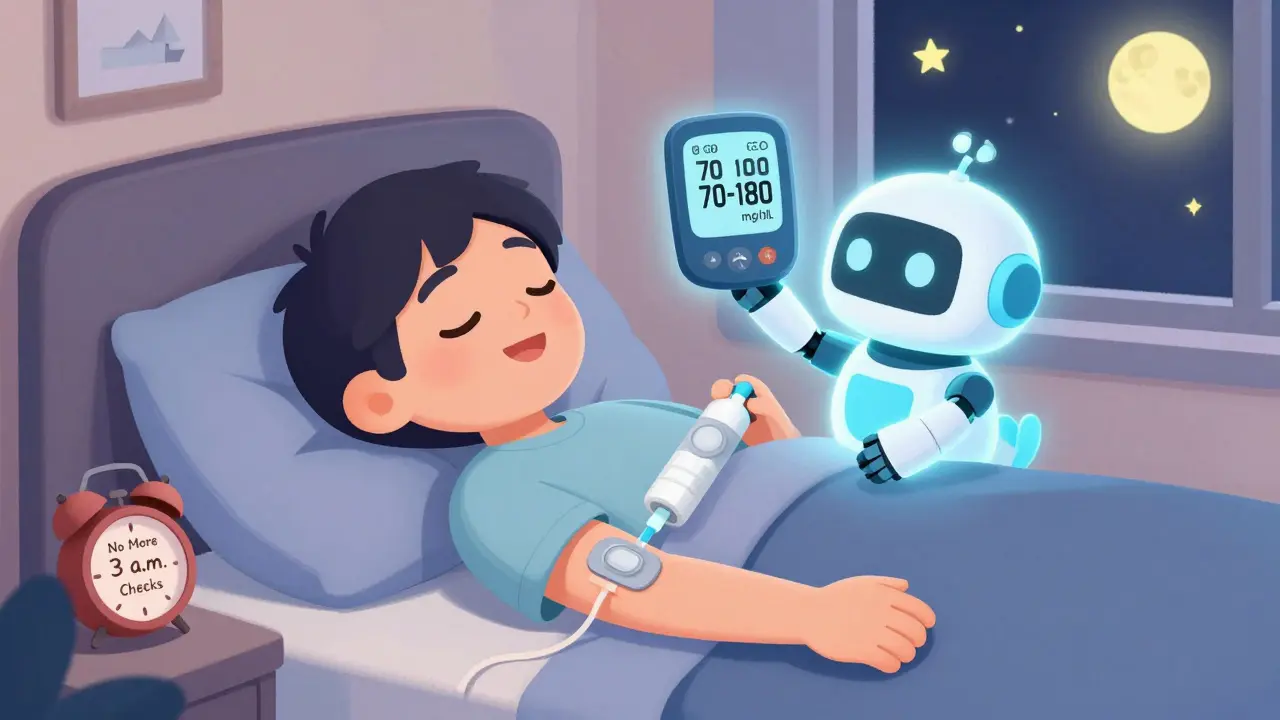
Closed-loop insulin systems automate blood sugar control for type 1 diabetes, improving time-in-range, reducing hypoglycemia, and cutting daily mental load. Real-world data shows significant improvements in sleep, HbA1c, and quality of life - but challenges remain with cost, meal management, and system reliability.
Keep Reading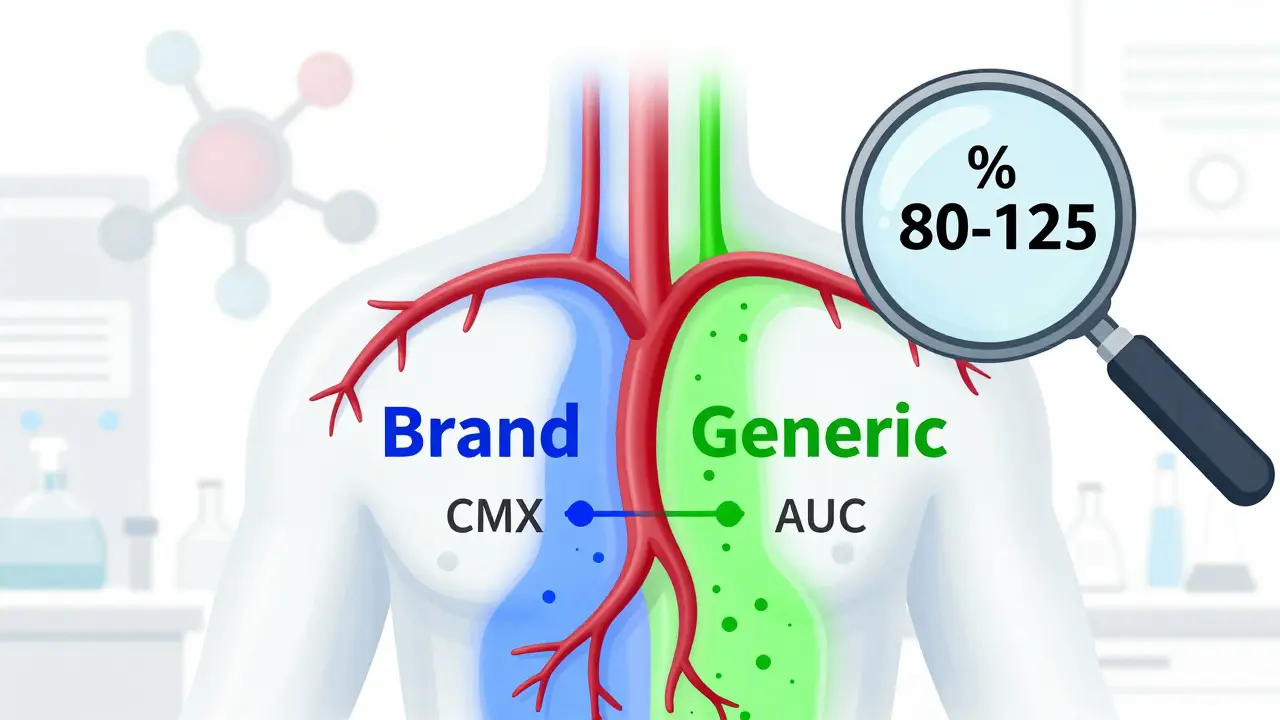
Pharmacokinetic studies are the primary method used to prove generic drugs are equivalent to brand-name versions, measuring how quickly and how much of the drug enters the bloodstream. But they’re not foolproof - especially for complex or topical drugs. Learn how these tests work, where they fall short, and what’s coming next.
Keep Reading