
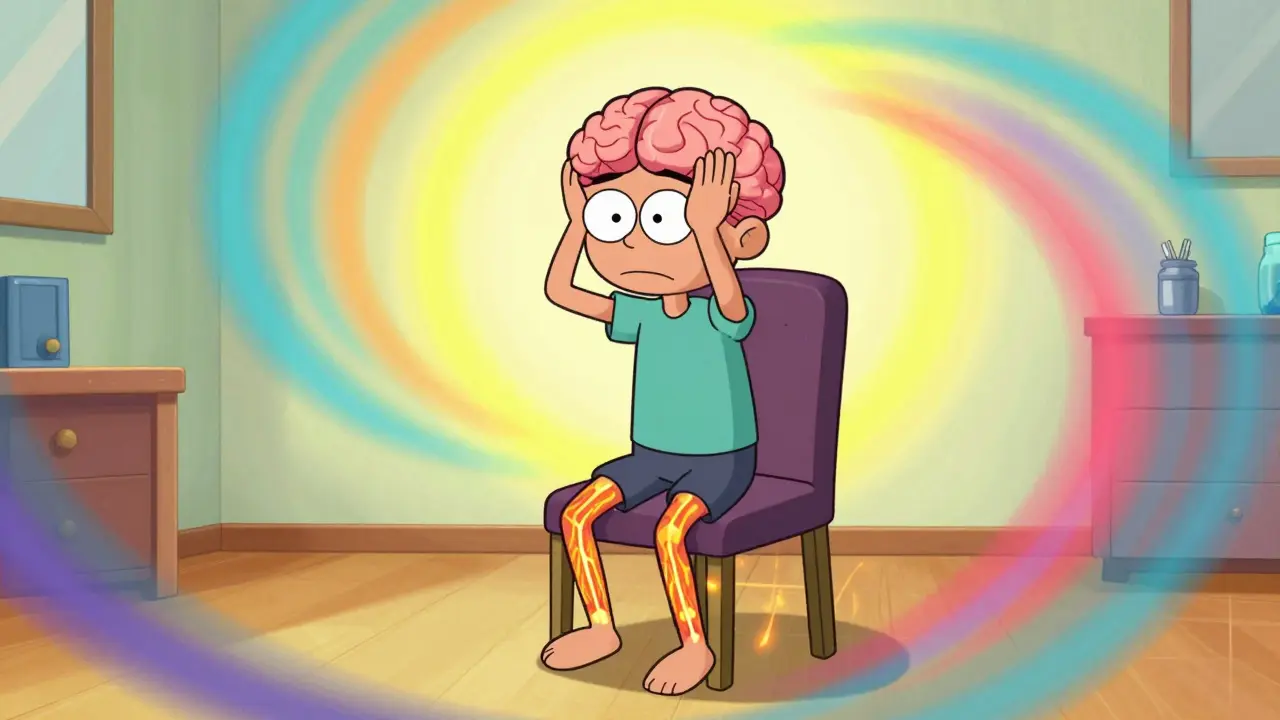
You might stand up to grab a glass of water and suddenly see stars or feel like you are about to pass out. Then, you spend hours bloated after a small meal, unsure if your stomach is working correctly. These aren’t random glitches; they are signals. When Autonomic Neuropathy affects your body, the invisible wiring that runs your organs starts to misfire.
This isn’t something you just wake up with one day. It’s often linked to Diabetes Mellitus, having been clinically described in patients as early as the 1950s. About 60 to 70 percent of people with long-term diabetes show signs of nerve damage when tested. Even though diabetes accounts for roughly 85 to 90 percent of these cases, other things like autoimmune disorders or viral infections can play a role too.
The Wiring Behind Your Involuntary Functions
To understand the symptoms, you have to look at the Autonomic Nervous System. Think of this as the autopilot system of your body. You don’t have to tell your heart to beat or your stomach to squeeze food through. That system handles it automatically. When neuropathy hits, the messages get garbled.
Your nerves stop telling your blood vessels to constrict when you stand up. They also fail to tell your stomach muscles to churn properly. This disconnect explains why seemingly unrelated problems like fainting and vomiting often happen together. Research published in Diabetes Care established back in 1988 that heart rate variability testing could measure this dysfunction, proving the connection between nerve health and vital functions.
Why Your Blood Pressure Crashes When You Stand
One of the most dangerous effects is the sudden shift in blood pressure. In a healthy person, standing up triggers the sympathetic nervous system to tighten blood vessels instantly. With autonomic neuropathy, that reflex is broken. This leads to Orthostatic Hypotension. Medically, this means your systolic pressure drops by at least 20 mmHg or your diastolic pressure falls by 10 mmHg within three minutes of standing.
About 30 percent of diabetic patients experience this specific type of blood pressure dysregulation. A tilt-table test confirms it. In severe cases, systolic readings average 35 points lower than normal upon standing. Imagine dropping from a healthy reading of 120/80 down to 85/55 in seconds. That rush of dizziness is your brain sensing a lack of oxygen.
Sometimes, the issue looks different. Postural Orthostatic Tachycardia Syndrome (POTS) involves a spike in heart rate instead of a drop in pressure. Your pulse might jump 30 beats per minute within ten minutes of standing while you stay dizzy. While there is debate among specialists whether POTS is a separate condition or part of the same spectrum, the result is similar: standing becomes a struggle.
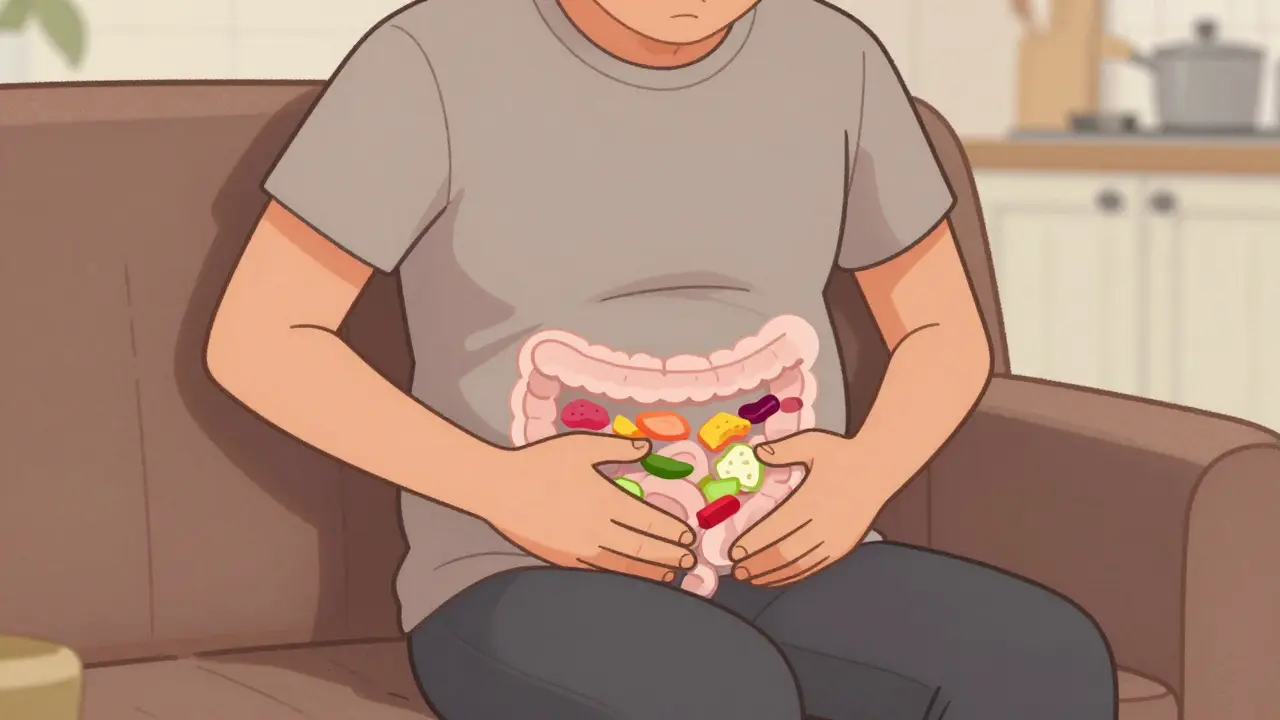
Digestion Stalls in Gut Nerve Damage
If you feel full immediately after eating two bites, your gut might be stuck. This happens when the vagus nerve gets damaged. The stomach stops moving food into the intestines efficiently, leading to Gastroparesis. Studies using gastric emptying scans show that over 10 percent of food stays in the stomach four hours after a meal, compared to almost zero in healthy individuals.
You might hear that "fasting" fixes hunger, but for many with this condition, fasting makes the nausea worse. About 30 percent of autonomic patients deal with this gastric retention. Vomiting, especially at night, is a clear sign. One analysis showed 78 percent of patients vomited while sleeping due to food backup.
It’s not always slowness, though. Some nerves overstimulate, causing severe diarrhea, often at night. Or the gut slows down so much that bacteria ferment and grow, leading to Small Intestinal Bacterial Overgrowth (SIBO). This mix-up creates a confusing cycle of constipation and diarrhea affecting bowel habits drastically. Patients report going from 4 or 5 times a week down to just once every ten days, making quality of life difficult.
How Doctors Pinpoint the Problem
Diagnosing this isn’t just about guessing. Primary care doctors often miss it, recognizing symptoms in only 30 percent of actual cases. To catch it, specialists use specific stress tests on the nervous system. The active stand test checks blood pressure manually. If your reading plummets, the case is strong.
| Test Name | What It Measures | Sign of Abnormality |
|---|---|---|
| Active Stand Test | Blood pressure drop | Systolic drop ≥20 mmHg in 3 mins |
| Heart Rate Variability | Nervous system rhythm | Low variation during deep breathing |
| Tilt Table Test | Fainting threshold | Drop in pressure + dizziness |
| Gastric Scintigraphy | Stomach emptying | >10% food remaining at 4 hours |
The Heart Rate Variability test looks at how your heartbeat reacts to breathing. Normally, your heart speeds up slightly when inhaling. If the ratio stays flat below 1.1, the nerves controlling the heart aren’t responding. For the gut, a special scan called Gastric Scintigraphy remains the gold standard for proving delayed emptying.
Moving Forward with Treatment Options
Treating autonomic symptoms requires managing both the blood and the gut. There is no single cure, but we can manage the mechanics. For the low blood pressure, increasing salt intake helps raise volume. If that isn’t enough, medication steps in. Fludrocortisone helps retain sodium and expands blood volume. It works well for 60 percent of patients, but watch your lying-down blood pressure.
Midodrine tightens blood vessels to keep you upright. You take it three times a day, avoiding bedtime so you don’t get high blood pressure while sleeping. Another option, Ivabradine, lowers heart rate spikes if you suffer from tachycardia. Studies show it reduces heart rate by up to 25 beats per minute in those who respond.
Gut issues need different tools. Metoclopramide speeds up stomach emptying. However, it carries risks if used beyond 12 weeks due to movement side effects. Sometimes doctors try Erythromycin instead. It’s powerful but stops working effectively after a few months because your body builds tolerance.
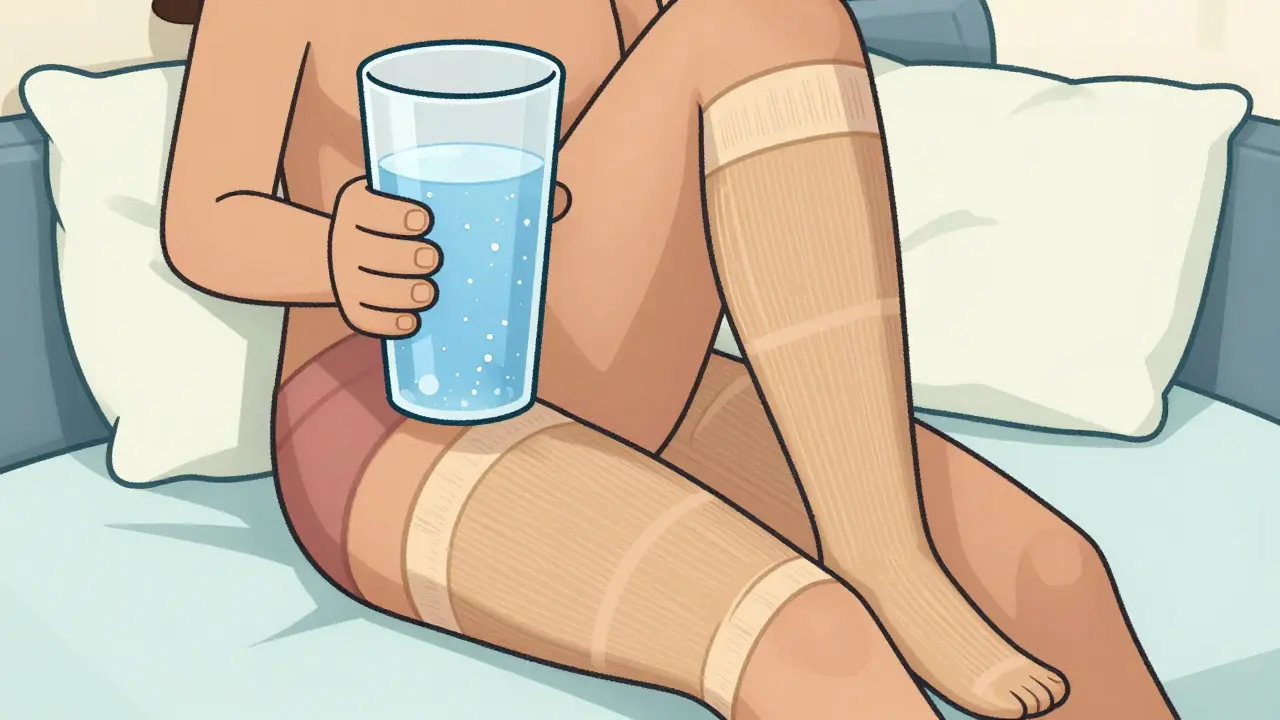
Medication isn’t everything. Compression stockings push blood up from your legs. Wearing an abdominal binder can help reduce orthostatic symptoms by stopping blood from pooling. Diet matters immensely. Smaller, liquid meals often pass through faster than large, solid chunks. Limiting fat is crucial since fats slow digestion significantly.
Real-Life Adjustments for Daily Comfort
Patients sharing their stories on forums describe a constant negotiation with their bodies. One person noted that avoiding hot environments alone improved their energy levels by 80%. Heat dilates blood vessels, worsening the pressure drop. Another strategy is drinking a glass of cold water before standing up. The cold shock triggers a reflex that tightens vessels temporarily.
Sleep positions matter. Raising the head of your bed prevents waking up with high blood pressure or morning headaches. It keeps fluid balanced overnight. Socially, the restrictions can be isolating. Knowing you can’t eat a big dinner out with friends hurts, but planning ahead saves embarrassment and physical distress.
Monitoring is key. A home blood pressure monitor tracks trends better than visiting the doctor twice a year. Keep a log. If your pressure consistently drops 15 points when you stand, you can adjust water intake or medication timing before it becomes an emergency.
Can Autonomic Neuropathy be reversed?
Unfortunately, existing nerve damage cannot usually be reversed. However, stabilizing blood sugar and managing symptoms can prevent further deterioration. Early intervention is crucial to preserve remaining function.
Is Orthostatic Hypotension dangerous?
Yes, if left untreated. Frequent drops increase the risk of falls and fractures. Long-term, it raises cardiovascular mortality risk. Severe cases have a 5.5-fold higher risk of cardiac events according to older studies.
What foods trigger Gastroparesis symptoms?
High-fat foods and high-fiber vegetables delay stomach emptying. Large portions also worsen symptoms. Optimal diets involve small, frequent meals that are low in fat and fiber residue.
How do I differentiate between POTS and Hypotension?
POTS features a rapid heart rate increase without a significant blood pressure drop. Hypotension involves a measurable fall in pressure. Both cause dizziness upon standing, but require different monitoring approaches.
Are there natural remedies for blood pressure support?
Increasing salt intake under doctor supervision helps expand blood volume. Hydration is critical. Crossing legs while standing squeezes blood back up, providing temporary relief from lightheadedness.



14 Comments
The statistics cited regarding diabetic neuropathy progression are accurate according to longitudinal studies. Many patients fail to track blood pressure fluctuations properly before symptoms become debilitating. Orthostatic hypotension requires rigorous daily monitoring to prevent falls and fractures during daily activities. You cannot simply rely on medication alone without adjusting your dietary intake simultaneously. Hydration status plays a massive role in maintaining vascular volume during upright posture changes. Compression garments are often overlooked by primary care physicians despite their efficacy in symptom management. The vagus nerve damage described aligns with gastroparesis protocols seen in clinical trials recently. Patients often delay reporting these specific digestive symptoms until severe nausea becomes unavoidable. Early intervention with gastric scintigraphy provides a clearer picture of stomach emptying rates. Ignoring the signs leads to irreversible nerve damage within a few years of onset. Proper education on salt intake helps expand volume in ways that water alone cannot achieve.
I know what it feels like to suddenly see stars when standing up quickly after eating something small. It is terrifying to realize that your body is not listening to your brain anymore when you move around. My best friend deals with bloating constantly even after swallowing just a single bite of food. She spends hours sitting still because moving makes her feel like she might vomit anytime soon. We tried drinking cold water immediately before standing up and it helped stabilize her heart rate temporarily. Heat makes everything worse so we avoid going outside during the summer months completely now. Sleep positions have changed for us too since lying flat causes headaches in the morning mostly. Social events are difficult because big dinners ruin your whole night with digestion issues afterwards. It isolates you from normal things people do without thinking twice about their nerves. Having a home monitor is the best gift anyone could ever give someone with these symptoms really. You learn to negotiate with every meal and every step you take throughout the day slowly. The fatigue builds up over weeks and leaves you bedridden sometimes for no clear reason medically. Managing expectations with family members is a battle in itself when they do not understand the pain. Small liquid meals save lives literally because large solids cause immediate distress in the gut walls. I wish doctors would test for heart rate variability sooner instead of guessing for years on end. Please know that you are not alone in fighting this invisible battle inside your system daily.
Another day another medical mystery solved by reading a generic blog post online.
You need to eat small meals and stand up slow every single day. Salt helps keep your pressure up when you get out of bed in morning. Drink water fast if you feel your head spinning while standing in line. Doctors always tell you same thing again and again but you ignore advice. Your nerves are damaged so stop pushing yourself too hard physically right now. Simple habits like crossing legs tight helps blood flow back to heart area quickly. Do not skip breakfast even if you feel nauseous feeling bad in stomach. People die because they fall down hard and break bones easily at home. Keep a notebook to write down numbers every morning and evening checks regularly. Ignore the fancy tests and just track how you feel in real time moments.
This information is absolutely vital!!! Everyone needs to read this!!!
The physiological mechanisms involving baroreceptor sensitivity are critical here. Autonomic dysfunction results in impaired sympathetic vasoconstriction responses upon postural change. Heart rate variability analysis remains the gold standard for detecting early neuropathic involvement. Gastroparesis presents with delayed gastric emptying observable via scintigraphic imaging techniques. Treatment modalities like fludrocortisone increase sodium retention effectively in most cohorts. Midodrine acts as an alpha-adrenergic agonist to tighten vascular tone appropriately. Patients must avoid supine hypertension which occurs during recumbency frequently. Comorbidity rates with diabetes mellitus exceed eighty percent in adult populations clinically. Prognosis depends heavily on glycemic control and early symptomatic recognition phases.
The body is merely a vessel waiting for its systems to collapse under the weight of existence. We are told to fix the machine yet ignore the spirit driving the mechanics completely. Signals travel through wires that we cannot see or touch directly ourselves. Life is about balance and losing balance means losing control over your own fate slowly. What does it mean to suffer without relief or answer from the gods above?
You are ignoring the severity of uncontrolled hyperglycemia causing this nerve damage in the first place. Most patients refuse to adjust their diet despite warnings from specialists everywhere. This condition is manageable if you actually follow American guidelines for chronic disease care properly. Foreign treatments are often unregulated and risky compared to our established medical protocols here. Stop blaming genetics when lifestyle choices clearly dictate the outcome of your nervous system health today. Education is free but most people are too stubborn to listen to basic facts anyway. Your refusal to act responsibly leads to higher costs for everyone involved in healthcare funding. Discipline is the key to survival when dealing with chronic metabolic disorders like this one. Wake up and take responsibility for your body before it shuts down permanently.
Listen to me closely because this advice comes from years of experience observing patient outcomes in clinics. First you must understand that the autonomic nervous system controls involuntary functions without your conscious input. Second realize that damage to these pathways is progressive and irreversible once significant loss occurs. Thirdly implement lifestyle changes including compression stockings and abdominal binders immediately upon diagnosis. Fourth monitor your blood pressure manually at home rather than trusting automated machines blindly. Fifth communicate clearly with your physician about any dizziness episodes occurring during daily routines. Sixth maintain fluid intake schedules to prevent dehydration which exacerbates orthostatic intolerance significantly. Seventh educate yourself on medications that may worsen hypotension as side effects occasionally. Eighth avoid hot environments completely since vasodilation increases the risk of fainting spells dramatically. Ninth establish a sleep schedule that involves elevating the head of the bed overnight. Tenth never ignore vomiting episodes especially during the night hours as they indicate retention. Eleventh track your food logs meticulously to identify triggers causing delayed gastric emptying patterns. Twelfth seek second opinions if primary care fails to diagnose suspected autonomic dysfunction correctly. Thirteenth prepare mentally for a lifelong management strategy rather than expecting a sudden cure tomorrow. Fourteenth support other patients because isolation leads to depression and poor compliance rates generally. Fifteenth remember that quality of life matters more than perfect lab values in the grand scheme of things. Stick to these rules and you will manage the symptoms much better than ninety percent of patients do. Failure to comply means suffering will continue unchecked until further degradation happens naturally.
I sit here reading this and feeling the weight of fear for myself and my loved ones. Every word describes a nightmare that feels too real to ignore or dismiss lightly. My sister was diagnosed last year and watching her struggle with meals broke my heart deeply. Seeing someone you love pass out just trying to walk to the sink hurts beyond measure honestly. It steals your confidence and leaves you afraid to leave the safety of your bedroom doors. The silence in the house grows louder when no one understands what is happening inside your mind. I pray for those struggling because no one deserves to lose control of their own body like this.
What we discuss here touches upon the fundamental nature of human vulnerability against biological failure. Our bodies betray us when the wiring disconnects leaving us stranded in a shell we cannot command. Consider the philosophical implication of being trapped inside a machine that malfunctions during critical operations. Is consciousness defined by the ability to move or does it reside in the awareness of stillness itself? Perhaps the universe designed this fragility to teach us patience and humility before the inevitable end. We cling to medicine hoping for a miracle while ignoring the deeper lessons present in suffering daily. Existential dread accompanies the diagnosis of chronic conditions that strip away autonomy bit by bit painfully. Yet within that struggle lies a unique perspective on what it means to simply exist alive. The silence of the nerves speaks louder than any screaming symptom could possibly convey to observers. We must learn to live with the uncertainty rather than demanding certainty from uncertain biology processes. Acceptance is the final frontier in battling diseases that rewrite the blueprint of self entirely. Time moves differently when every breath becomes a negotiation between life and potential death nearby. We are all just walking around carrying fragile vessels that might crack unexpectedly anytime soon. Finding meaning in the mess is the only victory left for those enduring this specific burden. Ultimately the question remains whether we survive the condition or let the condition define our remaining years.
You must fight this battle with every ounce of energy you possess today! Do not accept defeat when there are tools available to help you manage symptoms. The future belongs to those who adapt aggressively to changing health conditions around them. Believe in your strength to overcome obstacles that try to hold you down repeatedly. Stay positive because negativity fuels the decline of your physical condition rapidly.
Fascinating how modern medicine treats the symptoms instead of fixing the root cause problem. Oh wonderful another article on how diabetes ruins your life naturally over decades. I suppose we are supposed to feel grateful for the tilt table tests instead of actual prevention methods. Science is great but common sense would suggest keeping sugar low saves nerves automatically. Why do we celebrate managing disasters instead of preventing the crashes in the first place obviously.
We must approach this conversation with kindness and understanding for everyone affected by these symptoms. Healing begins with acceptance and finding peace within the limitations of our current physical state. Community support offers strength that individual struggle cannot provide on its own during dark nights. Listen to one another without judgment because we share common ground in our bodily struggles daily. Patience is a virtue required when navigating a world built for healthy functioning bodies mostly. Forgiveness of self is necessary when the body does not perform as expected under stress. We walk together through the fog knowing that light eventually finds us again someday soon. Hold hands with fellow travelers on this path toward stability and emotional balance. Compassion heals wounds that medicine simply cannot reach with pills and charts. Take deep breaths and remind yourself that you are worthy of care regardless of function. Gratitude shifts focus away from pain toward the small joys still present in life daily. May you find serenity in the quiet moments and rest when your strength fades quickly.