

Learn how to ask your doctor for a lower-cost therapeutic alternative to save hundreds on prescription meds each year. Proven strategies, real savings, and what to say to get results.
Keep Reading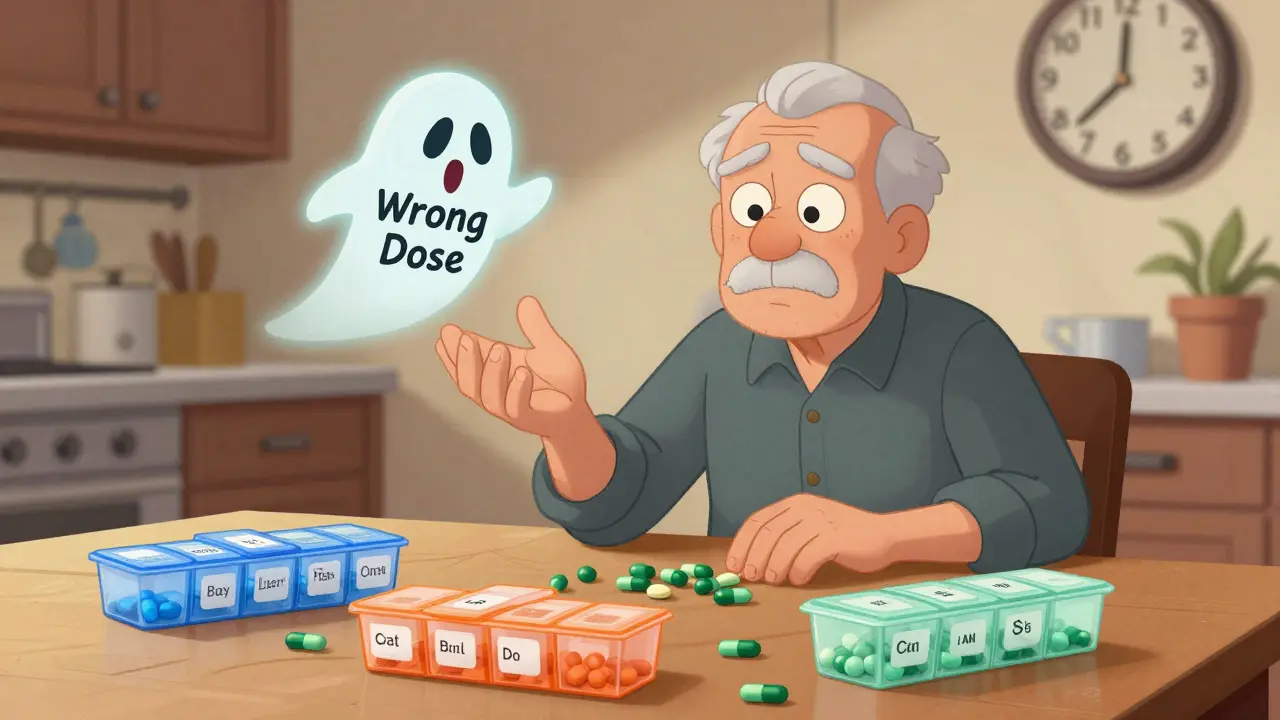
Medication errors harm over 1.5 million Americans yearly and cause thousands of preventable deaths. Learn how hospitals and homes can reduce these mistakes using simple strategies, technology, and better communication.
Keep Reading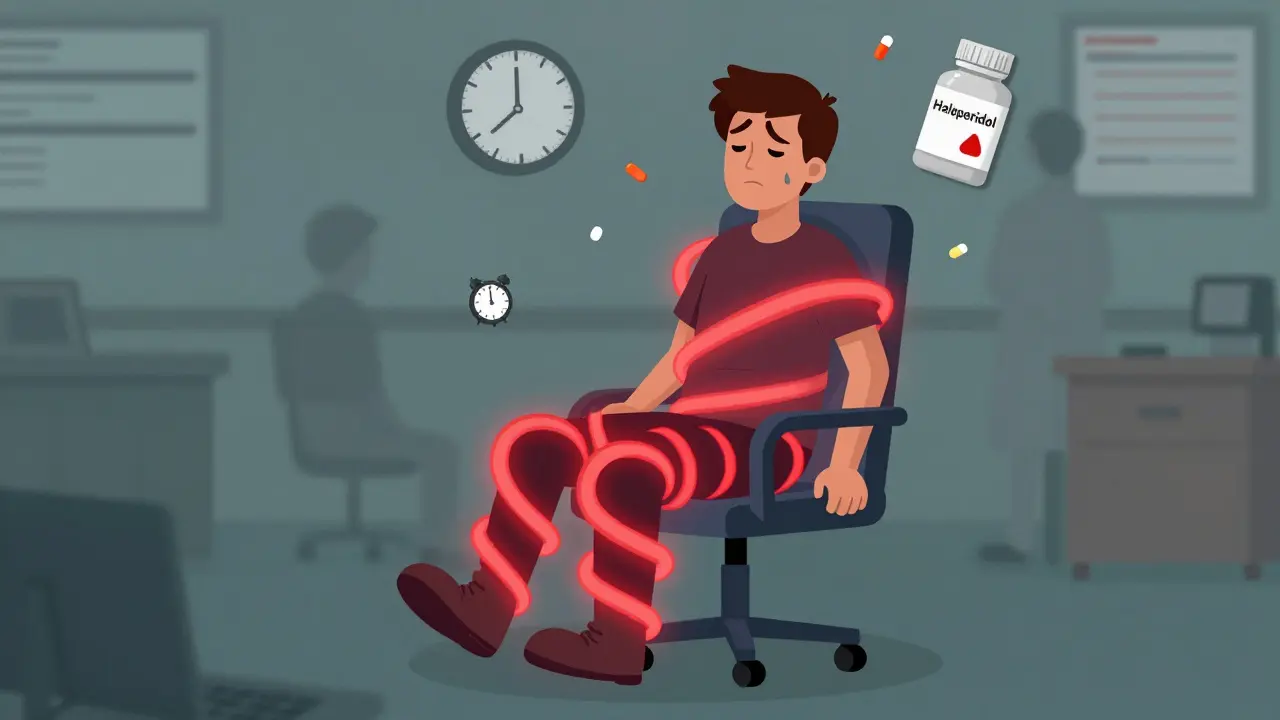
Akathisia and restless legs syndrome look similar but have different causes and treatments. Learn how to tell them apart, why misdiagnosis is dangerous, and what actually works to relieve medication-induced restlessness.
Keep Reading
Pregnancy registries are collecting real-world data on medication safety during pregnancy, helping doctors and patients make informed choices. Here's what we're learning-and where the gaps still remain.
Keep Reading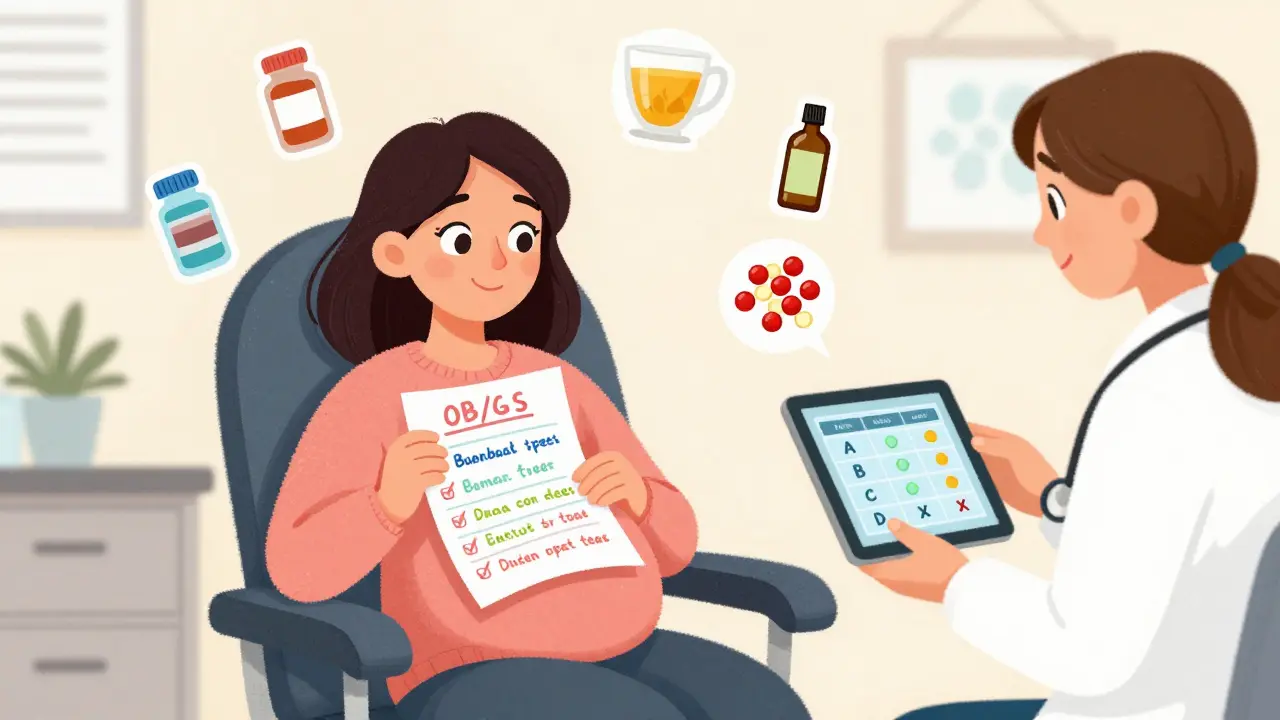
Learn how to prepare for medication discussions with your OB/GYN during pregnancy and breastfeeding. Know what to bring, what to ask, and which drugs are safe - so you and your baby stay protected.
Keep Reading
Sulfonamides and other medications can trigger kernicterus in newborns by displacing bilirubin from albumin, leading to brain damage. Learn the risks, warning signs, and how to prevent this entirely avoidable condition.
Keep Reading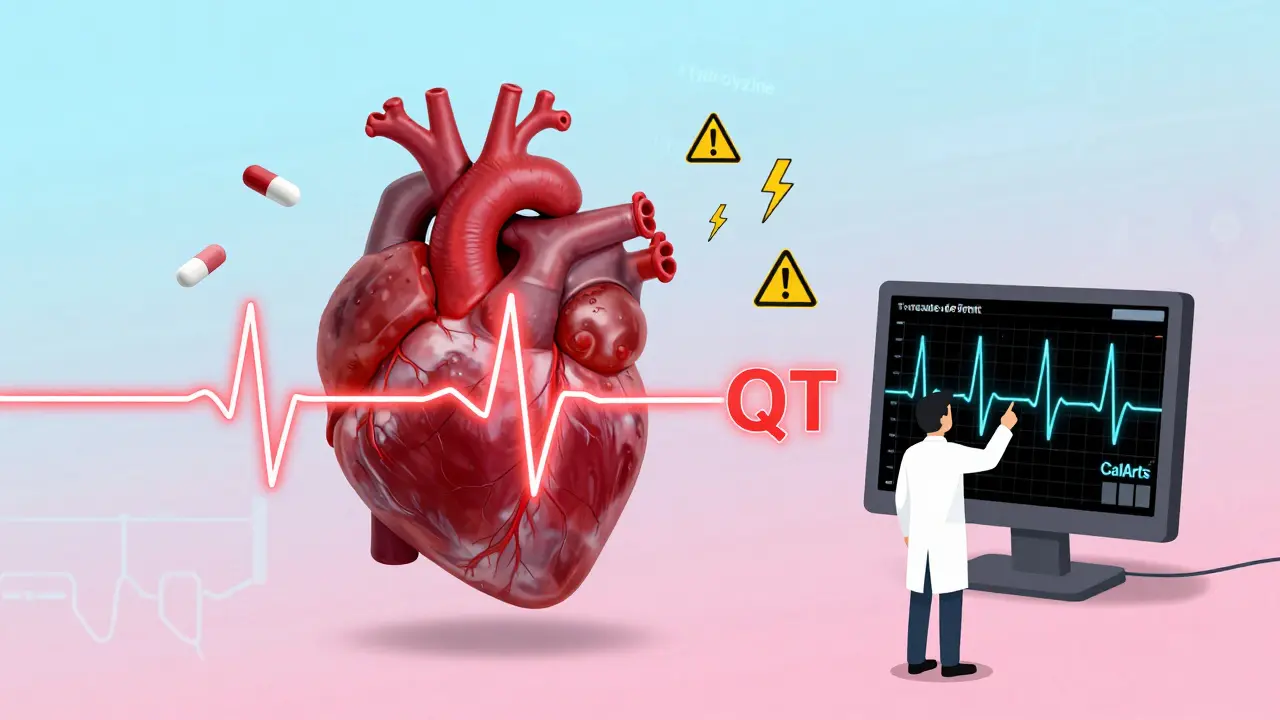
Hydroxyzine is commonly prescribed for anxiety and itching, but it carries a serious risk of QT prolongation and Torsade de Pointes. Learn who's at risk, what doses are safe, and how to avoid life-threatening heart complications.
Keep Reading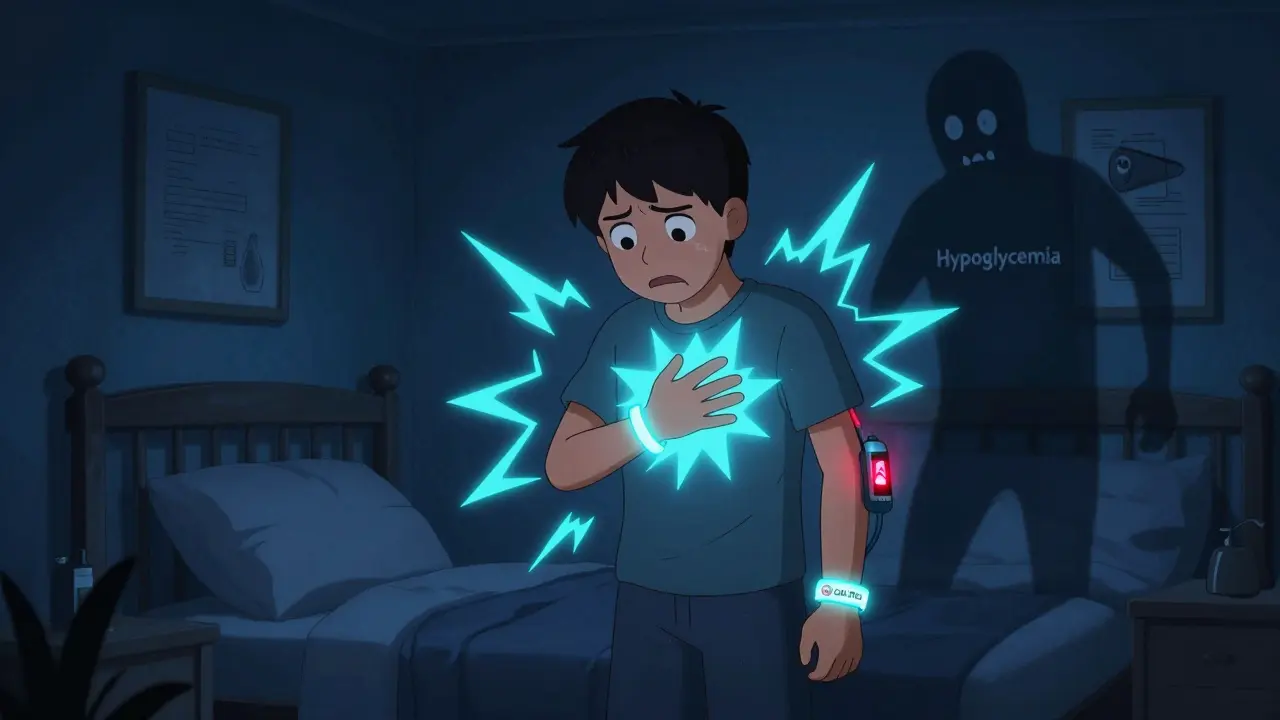
Insulin therapy is essential for many with diabetes, but hypoglycemia and weight gain are common, serious side effects. Learn how to manage them safely with modern strategies and expert-backed advice.
Keep Reading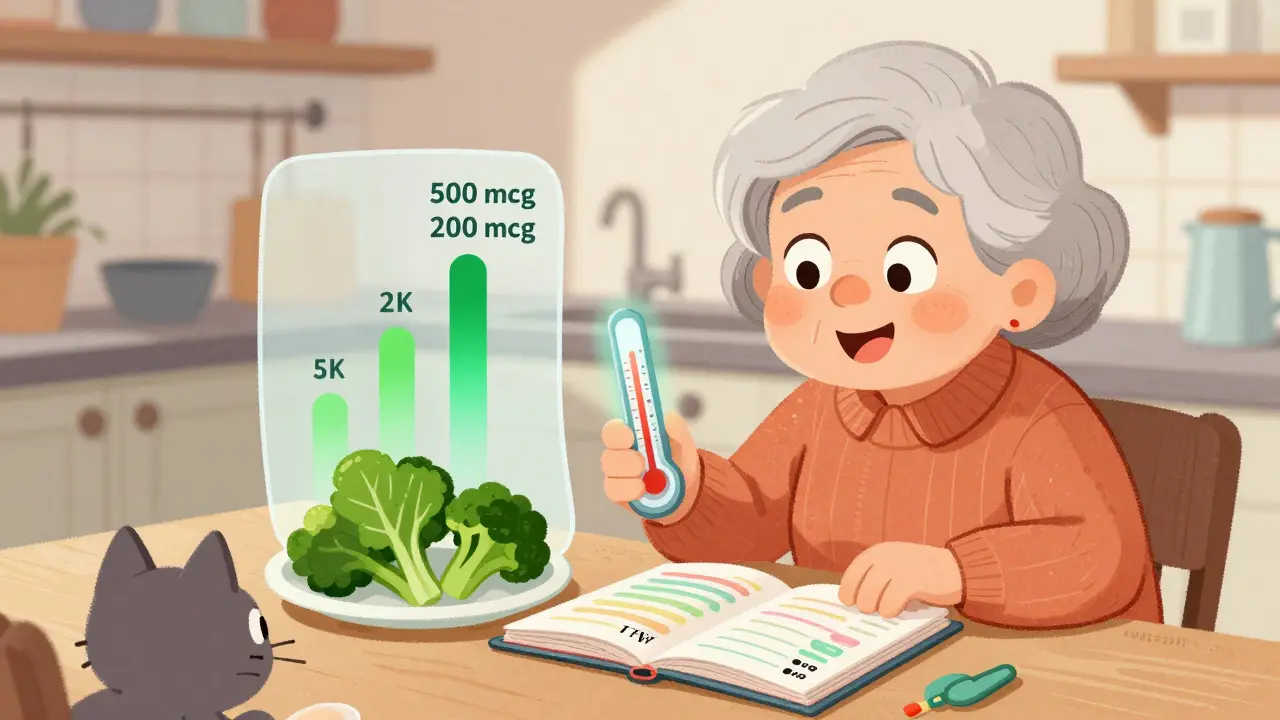
Tracking vitamin K with a food diary is essential for warfarin patients to maintain stable INR levels and avoid dangerous bleeding or clotting risks. Consistency in diet beats restriction.
Keep Reading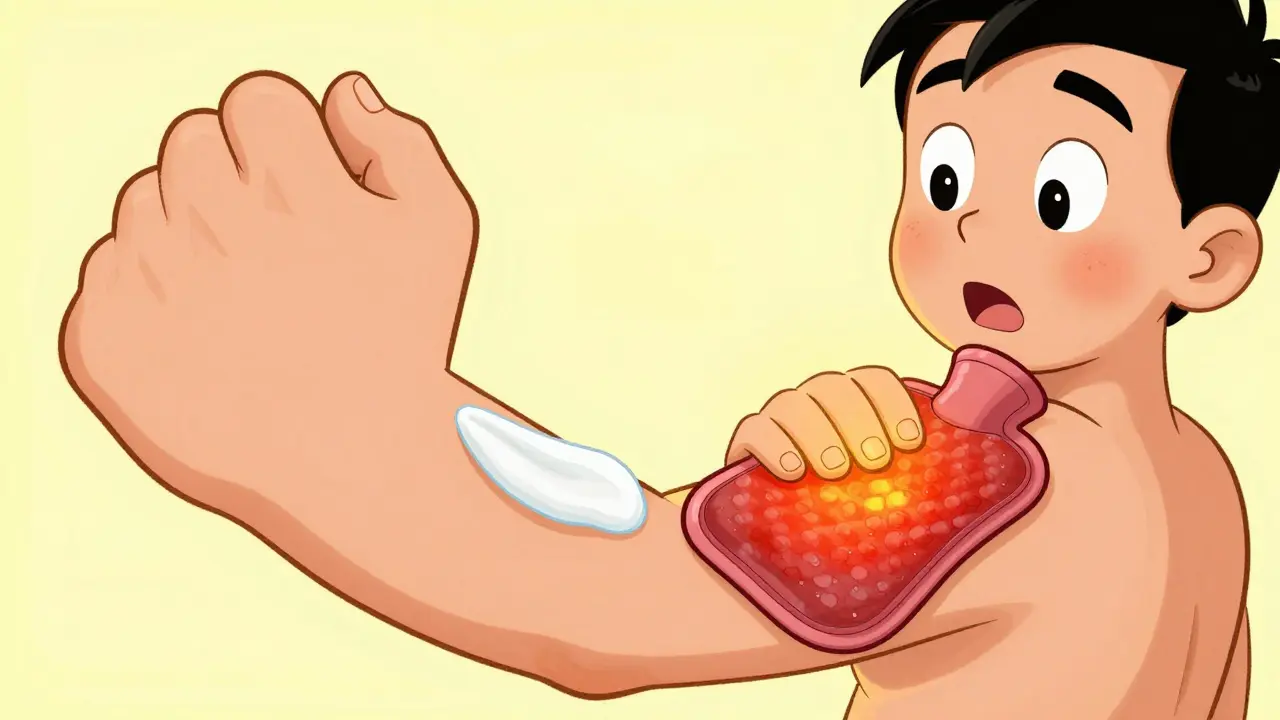
OTC topical pain relievers offer localized relief but carry hidden risks. Learn about ingredient-specific dangers like menthol burns and illegal lidocaine products, plus safety guidelines to avoid side effects. Health Canada and FDA warnings highlight why proper use matters.
Keep Reading